
Last updated November 21, 2026
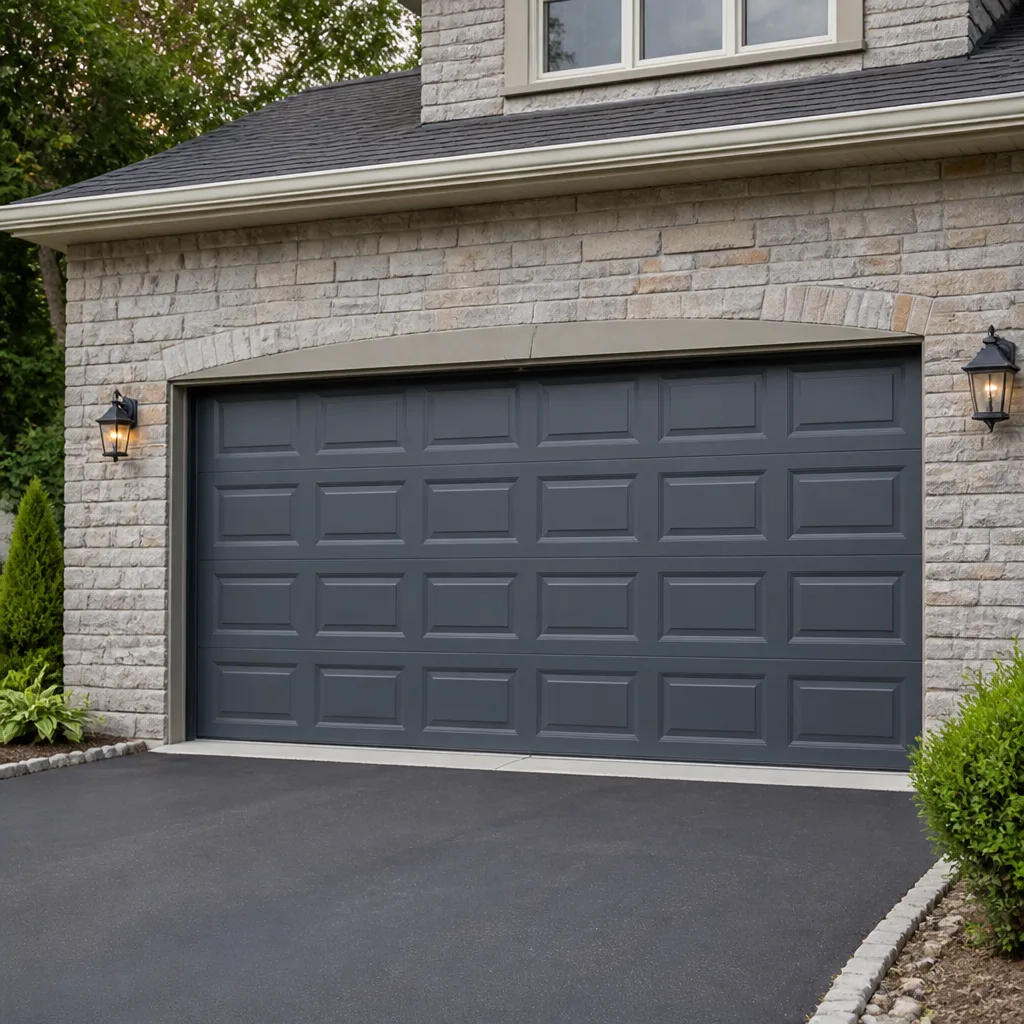 Raised-panel steel
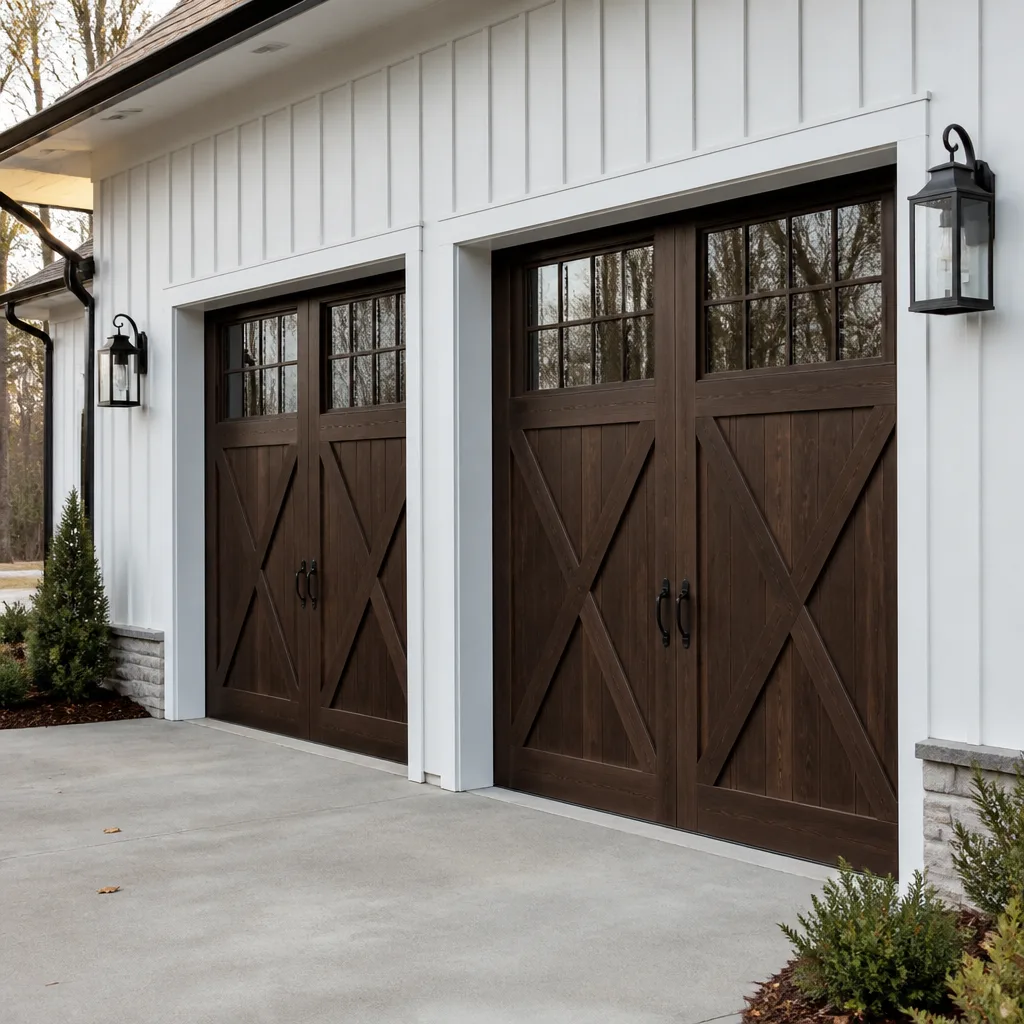 Carriage house
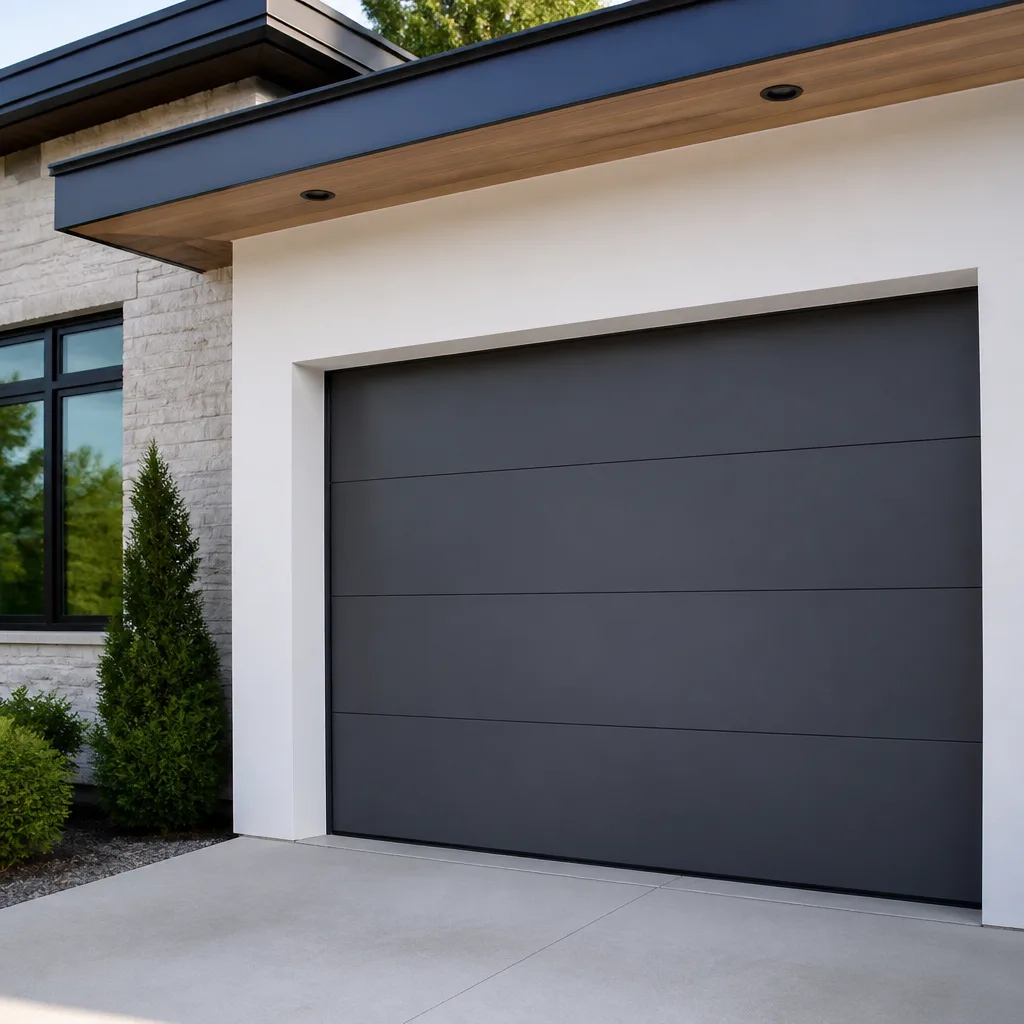 Modern flush
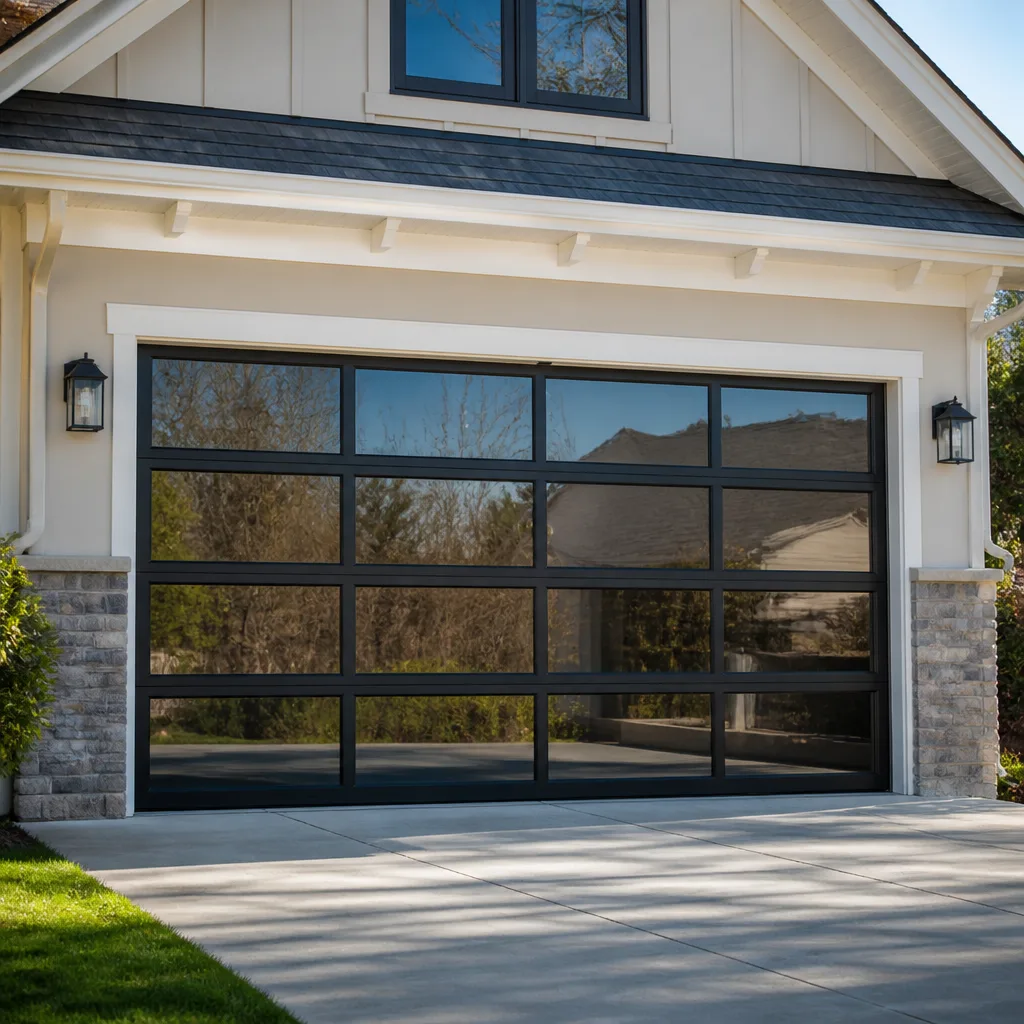 Full-view glass
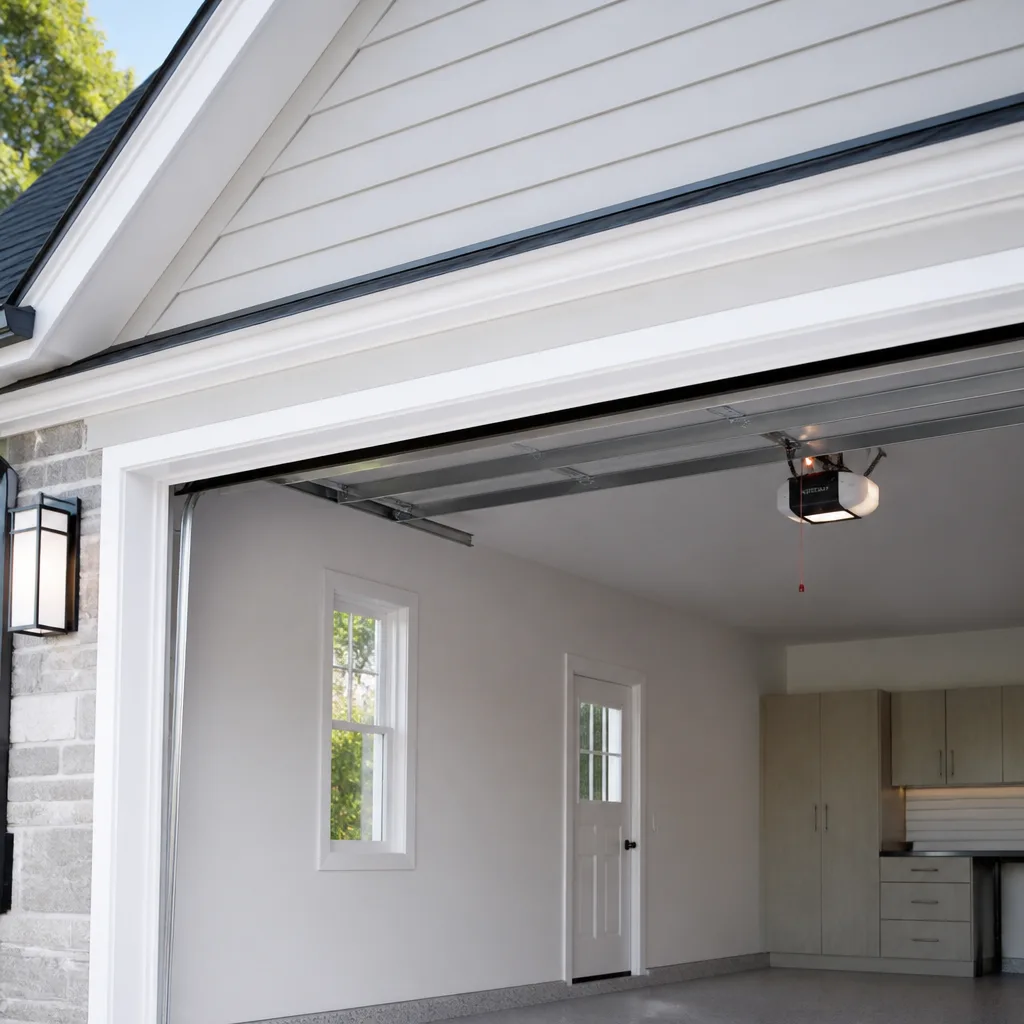 LiftMaster openers
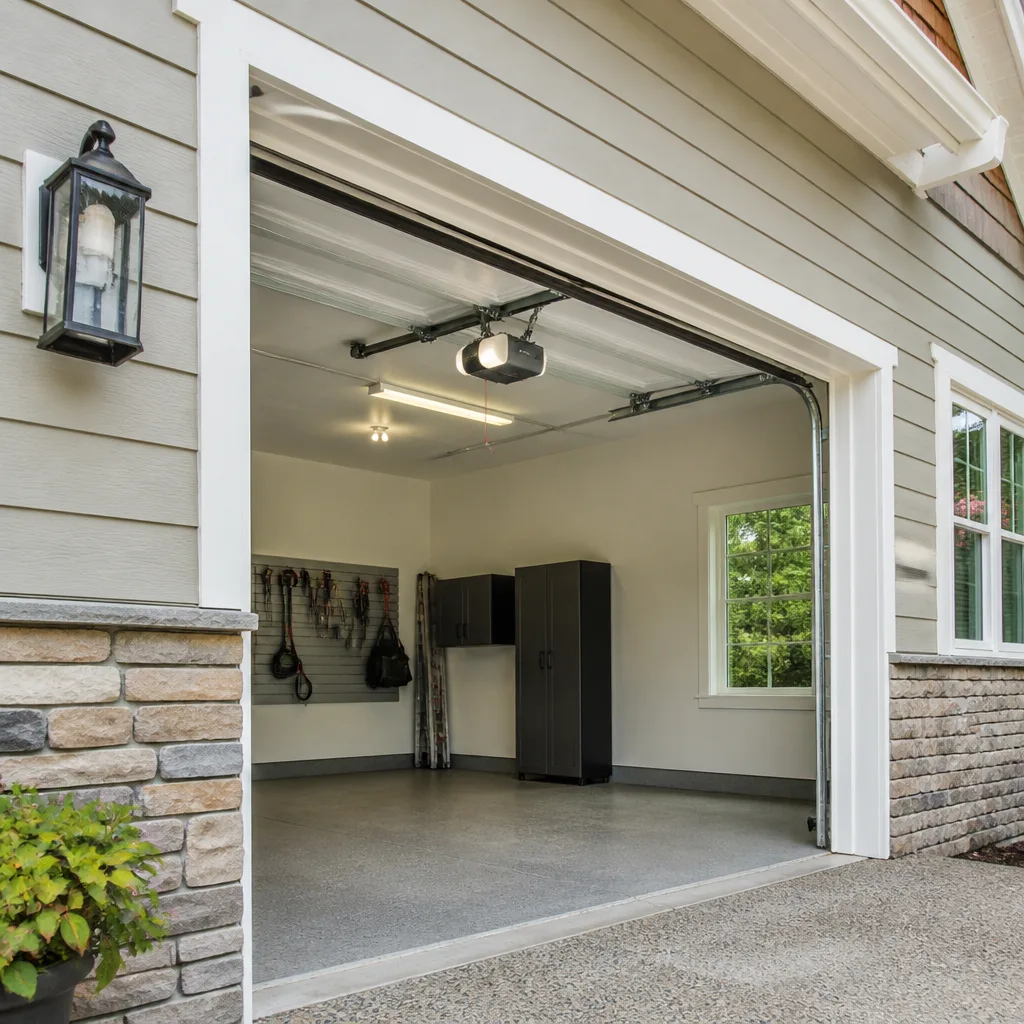 Chamberlain openers
Full 25-point door and opener safety check with every visit - springs, cables, rollers, tracks, and your LiftMaster or Chamberlain opener included
You get a price before we start. It does not change when the pro arrives.
Get your free estimateChoosing the Right Garage Door Brand: A Buyer’s Guide for East New York
The brand on the box matters less than the brand’s footprint in the borough. A door that sells in huge numbers in suburban New Jersey can be a slow-moving headache in Brooklyn when its local service network doesn’t reach East New York and a replacement panel takes a week to source. The label on the front of a house isn’t the thing that keeps the door going up and down; the supply chain behind it is. In this guide we walk through how East New York homes are actually built and used, which door materials and brands fit those conditions, how to read a warranty past the headline, and how to check parts availability before you commit.
Quick Answer
The best garage door brand for an East New York home is the one that matches your garage’s exposure, your existing opener, and a service network that actually covers the area. For most homes here that means a steel door from a widely stocked brand like Clopay, Amarr, or Wayne Dalton, paired with an opener that a local technician can diagnose and repair with parts on hand. Brand prestige runs a distant third behind fit and availability.
Styles & brands we work with
- Raised-panel steel
- Carriage house
- Modern flush
- Full-view glass
- LiftMaster openers
- Chamberlain openers
Table of Contents
- Why Brand Choice Matters Differently in East New York
- Comparing the Major Brands Side by Side
- Matching Door Material to Your Garage’s Exposure
- Why Parts Availability Beats Brand Prestige
- What “Compatible With Any Opener” Really Means
- How to Read a Warranty for Years Three and Five
- A Step-by-Step Way to Evaluate Any Brand
Why Brand Choice Matters Differently in East New York
In most parts of the country, picking a garage door is a straightforward trade-off between price, look, and durability. In East New York you’re adding two more variables: exposure and parts access. Most of the housing stock here is attached or closely spaced. Garages face alleys, side streets, and the backs of lots, and many share walls with neighbors. That changes what the door has to survive and who can fix it.
The weather is Brooklyn weather. Hot humid summers, cold winters with freeze-thaw cycles, and more wet days than a door in a dry climate ever sees. A steel door facing a wet alley holds up better than a wood or wood-composite door in the same spot, because the wood traps moisture and the seams start to fail over time. That’s not a knock on wood doors. It’s a note about where they work best. On a covered porch, in a breezeway, or on a garage away from standing water, wood can be the right call. Alley-facing in East New York, steel usually wins on lifespan.
The second variable is who can actually service the door. A door brand with a thin authorized network in the New York City metro means any repair turns into an order-and-wait scenario. Broken panel from a bumped bumper? Two weeks if the panel isn’t stocked in the region. Spring fails? The spring itself is universal, but the lift bracket on some brands is not. We’ve worked on doors where the parts were technically available, just three boroughs away and back-ordered. That’s the difference between a fix and a delay, and it’s the thing to solve for before you buy.
If your current door is on its last legs, it’s also a chance to think about whether a repair makes more sense than a replacement. We cover both angles on our garage door repair page if you’re weighing that decision.
Comparing the Major Brands Side by Side
Four names come up most often for residential doors in East New York: Clopay, Amarr, Wayne Dalton, and CHI. Each has a real place. The trick is knowing which one fits your specific garage. Here’s how they stack up on the factors that actually matter here.
Clopay
- Strengths: Deep product line, steel doors with good gauge options, wide dealer network across the Northeast. Panel profiles that suit attached garage openings on tighter East New York lots.
- Watch for: Model tiers vary widely. Two Clopay doors that look identical can differ substantially on steel thickness and insulation.
Amarr
- Strengths: Solid steel options at the mid and upper end, with hardware that holds up under freeze-thaw cycling. Their warranty structure is straightforward to compare.
- Watch for: Some styles have longer lead times in the NYC metro if the specific panel isn’t stocked locally.
Wayne Dalton
- Strengths: Broad availability, recognizable to most technicians in the borough, and several lines that hold up well on attached garages. Replacement panels are usually findable.
- Watch for: Entry-level lines use lighter hardware. That matters on a door that goes up and down several times a day.
CHI
- Strengths: Reputation for heavier-gauge steel and quiet operation on some lines. Often specified by contractors who want a durable door without a premium price.
- Watch for: Smaller footprint in this part of the market, which can mean fewer technicians are familiar with specific models.
None of these is universally “best.” A Clopay door that’s ideal for a street-level opening on a semi-attached East New York house may not be the right call for a detached garage at the back of a lot with different sun and wind exposure. The comparison only means something once you know your garage’s conditions.
Matching Door Material to Your Garage’s Exposure
Material is where most brand decisions are actually made. The steel gauge, the construction of the panel, and the finish matter more than the name on the door. Here’s how to think about it for the spots you find in East New York garages.
Steel
Steel is the default for a reason. It tolerates Brooklyn humidity, doesn’t rot, and handles the temperature swings without warping. The key variable is gauge. A 24-gauge steel door is common on economy lines and dents easily. A 25-gauge is thinner still and doesn’t hold up on a door that faces a tight alley or a busy driveway. For most East New York homes, we suggest looking at 24-gauge or thicker for the door panels, and checking the end stiles and bottom section specifically, because those take the most wear.
Wood composite
Wood composite doors look great and offer real thermal performance. They also want to be protected from direct water. On a garage facing an open alley or a corner that catches rain, a composite door will need more maintenance and a tighter finish schedule than it would in a covered breezeway. If you want the wood look on an exposed garage, an embossed steel door that mimics wood grain is often the more practical pick. It gives the appearance without the moisture problems.
Aluminum and glass
Aluminum full-view doors fit the growing number of garage conversions in parts of Brooklyn, where a garage is being turned into a usable room or a dual-purpose space. They perform well, but the aluminum frames and glass need to be spec’d for outdoor exposure, and the seals around each panel need periodic attention. In an East New York garage that’s actually used for a car, this style is less forgiving than steel, and more prone to condensation on the inside of the glass in winter.
Wood
True wood doors are beautiful and heavy. On a home with historical character, they can be the only right choice. They also need annual finish maintenance in this climate and are the most likely to swell and stick in a wet spring. If your garage has a wood door you’re happy with, our garage door installation team can usually rebuild or replace just the sections that failed rather than the whole door.
Why Parts Availability Beats Brand Prestige
A garage door is a mechanical object that will eventually need parts. The spring breaks. The rollers wear. Someone backs into a panel. The opener’s circuit board fails. None of that is unusual. What separates a good experience from a frustrating one is whether the part can be sourced locally and installed by the technician in front of you. Here’s how to check a brand’s local footprint before you commit.
- Ask where the nearest stocking dealer is. Not the nearest dealer. The nearest dealer who stocks the model you’re considering. A dealer who can order it isn’t the same as a dealer who has it.
- Ask about individual parts, not the whole door. Panels, hinges, rollers, bottom seals, and lift brackets are the parts that fail. If the brand can’t supply those individually, every repair becomes a full replacement.
- Ask your technician what they’d install. A tech who works on many doors in East New York knows which brands they can source in a day and which ones take a week. That’s operational knowledge you won’t find on a spec sheet.
- Check the NYC metro dealer map. If the nearest authorized service point is outside the five boroughs, you’re adding a layer to every future repair.
- Check the opener side too. If you’re picking a new door and keeping your existing opener, confirm the two are a known-good pair. That’s covered in the next section.
Brand prestige rarely pays off at year five. Parts availability pays off every time the door stops working. That’s the calculation. It’s also why we’re set up to work with doors and openers across eight major manufacturers – LiftMaster, Chamberlain, Genie, Clopay, Amarr, Wayne Dalton, Craftsman, and Raynor – rather than steering every customer into a single brand we’d prefer to sell.
What “Compatible With Any Opener” Really Means
Any new door opener can technically be paired with almost any residential door, provided the door’s weight and travel are within the opener’s rated lift and the safety sensors are correctly placed. In practice, certain pairings work better than others. The variables that matter are door weight, opener power, and the safety system.
A fully insulated steel door weighs more than a basic uninsulated door of the same size, sometimes significantly. An opener rated for a lighter door will work for a while, then fade, then fail. That’s not a defect in the opener. It’s the wrong opener for the door. The same logic applies to a heavier wooden door on a cheap chain-drive unit. The opener runs at its ceiling every day, wears faster, and starts to have a tired, strained sound even before it gives out.
There’s also the smart-home layer. Modern openers use a radio protocol, and older remotes may not sync with newer units. If a matching remote is unavailable for an older opener in an East New York home, the practical fix is often to replace the opener rather than chase the remote. LiftMaster and Chamberlain share some accessory ecosystems, while Genie and Craftsman each have their own. Mixing them can work, but the accessories don’t always speak to each other cleanly.
Our advice: pick the opener brand first, then the door. Or if you’re keeping the door, pick an opener whose rated lift comfortably exceeds the door’s weight, not one that just meets it. When the opener is the failing part, our garage door opener repair work covers diagnostics rather than guessing, which is often what turns a “the remote stopped working” call into a solution that doesn’t involve a new opener at all.
How to Read a Warranty for Years Three and Five
Warranties are where brand marketing does the most work and delivers the least clarity. The headline number on the box is often an aggregate that bundles multiple components with different terms. What matters is what’s still covered in year three, and what’s still covered in year five.
Most residential garage door warranties split coverage into layers. There’s usually a limited lifetime warranty on the door sections themselves, often against rust-through or structural failure from manufacturing defects. There’s a shorter term on the finish, sometimes one or two years, sometimes more. There’s a distinct term on the hardware – hinges, rollers, and fasteners – which typically runs much shorter. And there’s a separate opener warranty if the door was sold with one.
Read the warranty line by line and ask three questions.
- What’s the term on the panel sections? If it’s “limited lifetime,” ask what “limited” means in the paperwork. Usually it covers defects, not cosmetic wear. Rust-through from a scratched finish isn’t a defect. Ask the seller to explain both in plain terms.
- What’s the term on the finish? The finish is what protects the steel. A 12-year finish warranty is more useful than a lifetime section warranty, because finish failure is what leads to section failure in this climate.
- What’s the term on the hardware and the spring? The spring is a wear item on almost every warranty and is usually excluded or covered for a short window. Hardware is often one to three years. That’s the layer that actually fails first, so budget for it.
Also check the labor question. Many warranties cover parts only. That means the part shows up in year four and you pay the labor to install it. There’s nothing wrong with that structure, but you should know it before you buy. Our team always walks customers through the warranty terms in writing when we quote work, because a warranty that sounds comprehensive on the showroom floor can feel very narrow when something actually goes wrong in year five.
If your current door’s warranty has already expired and something’s now failing, that’s usually a repair rather than a replacement conversation. For the range of spring and hardware issues we handle, our garage door repair East New York service page covers more scenarios. Springs in particular are the one area we never suggest a homeowner take on alone – more on that below.
A Step-by-Step Way to Evaluate Any Brand
If you’re starting from scratch and don’t know which of the big brands to pick, work through these steps in order. They’ll narrow the field to two or three real options and keep you out of the traps that don’t show up in the showroom.
- Walk your garage in daylight and bad weather. Note the exposure – which way the door faces, whether it sits in standing water after rain, whether it catches the sun. That determines which materials and finishes make sense.
- Check whether you’re keeping or replacing your opener. If keeping, note the brand and model. If replacing, plan to pick the opener at the same time as the door.
- Ask two or three local dealers what they stock and what they can source fast. Listen for real inventory talk, not general promises. Ask specifically about panels and rollers and springs.
- Compare warranties at year three and year five. Ignore the headline number and read the terms on finish, panels, and hardware separately.
- Confirm the install team’s experience with your specific door and opener brand. Not every installer has hands-on experience with every manufacturer’s hardware. Ours do – the eight brands we work on are the same ones most East New York homes already have.
- Get a written price before signing anything. The written estimate is the actual price, not a ballpark. If a brand’s pricing depends on “market rates” or “day of installation,” that’s a flag.
Running through these steps takes an afternoon. It’ll save you months of frustration later. It’s also how we approach any new door we install – we don’t lead with brand names, we lead with the questions above. Our technicians have up to 15 years of experience working on the doors and openers that are common in East New York and across Brooklyn, and the brand names come out of that experience rather than a sales sheet.
Common Mistakes to Avoid
- Choosing a brand because a neighbor has one. Two East New York garages three doors apart can have very different exposure. The sun, wind, and moisture don’t hit every door the same way. Match the brand to the garage, not the block.
- Ignoring opener compatibility. A heavy insulated door paired with a lightweight-rated opener will struggle from day one. Check lift ratings before you buy the door, not after.
- Reading only the headline warranty. A “limited lifetime” warranty that excludes finish and hardware gives you very little in year three. Break the warranty into layers and check each one.
- Buying on the strength of one showroom display. A door model looks great in a climate-controlled showroom. It’s a different thing to sit outside a Brooklyn garage through a humid August and a freezing February. Ask what installers in the area actually see.
- Overlooking parts access. A door brand with no stocked parts in the NYC metro turns a $200 fix into a $2,000 replacement when a panel fails. Confirm parts access before you commit.
- Skipping a written estimate. A verbal ballpark on the lot is not a price. The written estimate sets the number that you’ll actually pay, before work begins. Anything else is a guess.
- Going it alone on tension springs. Garage door springs are under heavy tension even in a “resting” door. They can and do cause serious injury when handled without the right tools and training. That’s not a task any homeowner should attempt.
- Replacing the whole door when a repair would do. Bumping a panel doesn’t always mean the end. Check whether a section repair is possible before committing to a full install.
See the difference
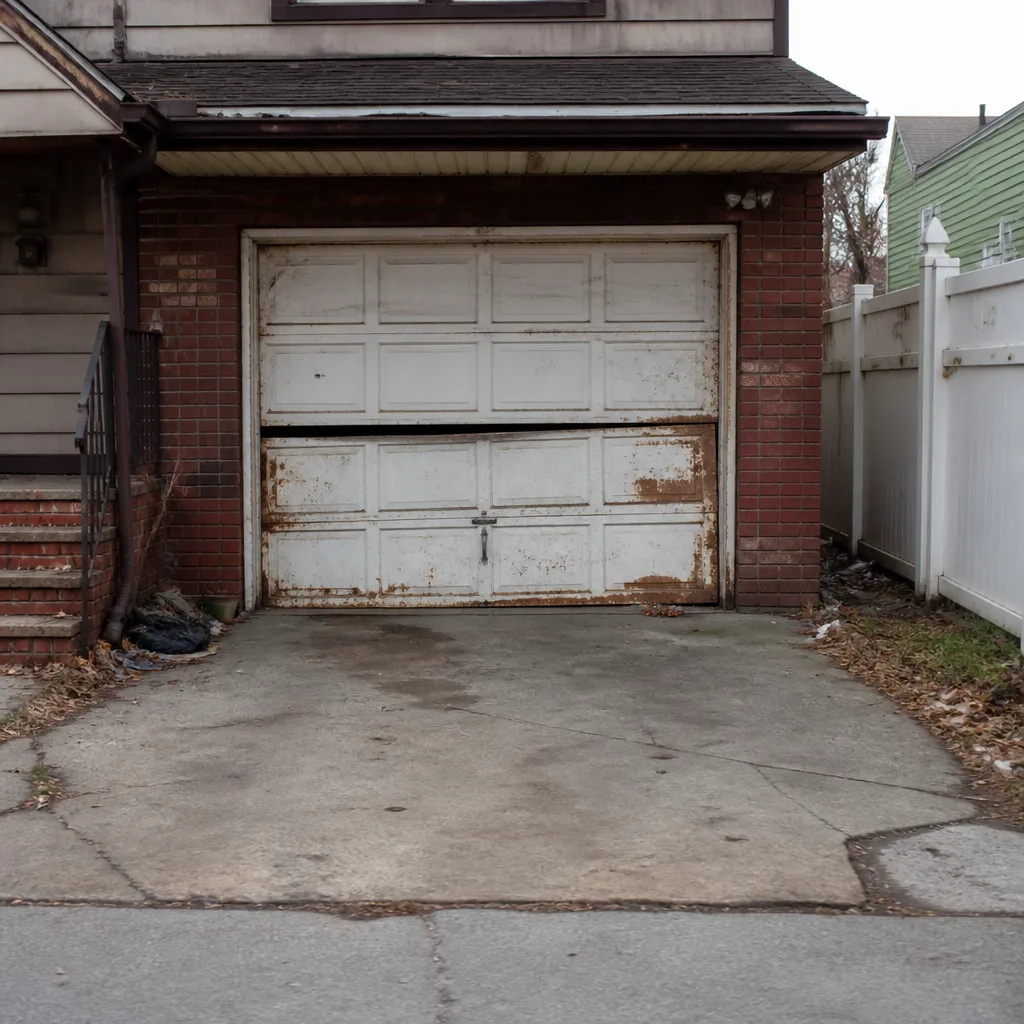 Before
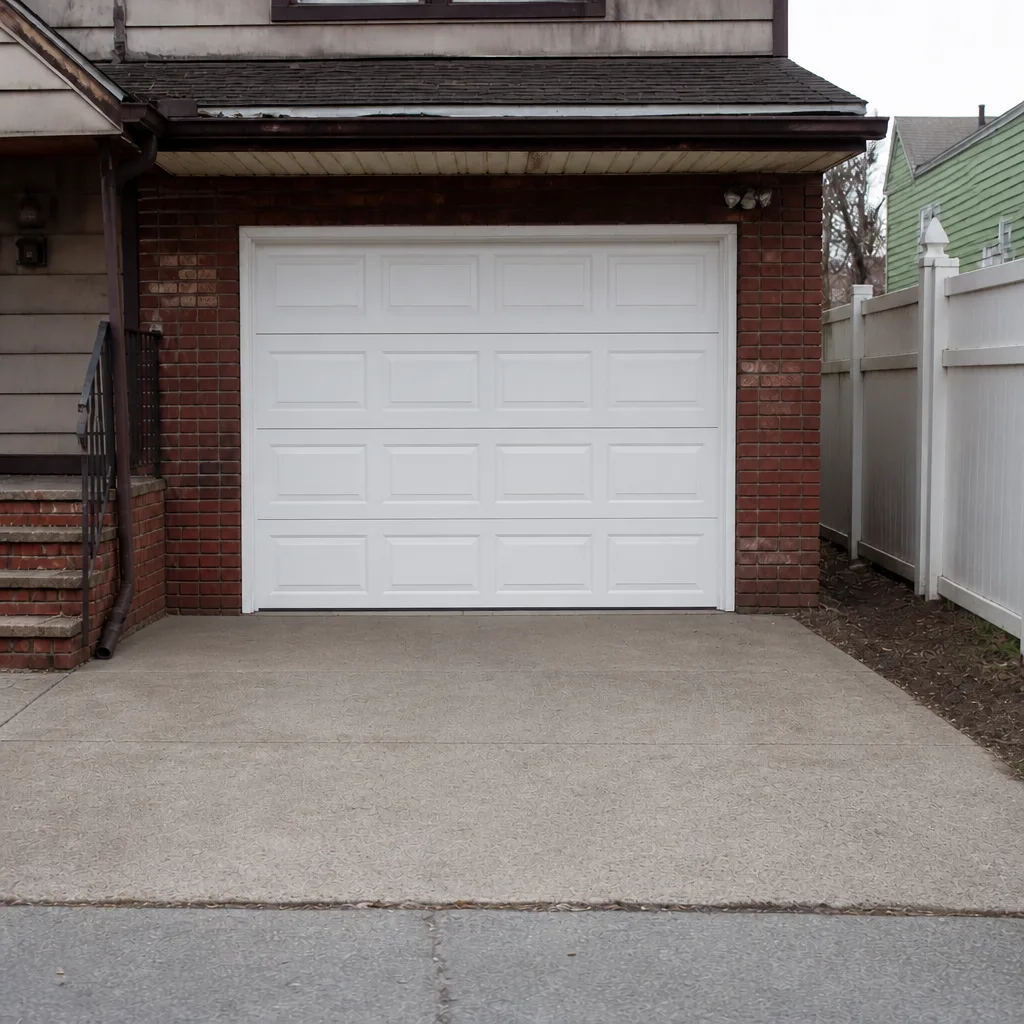 After
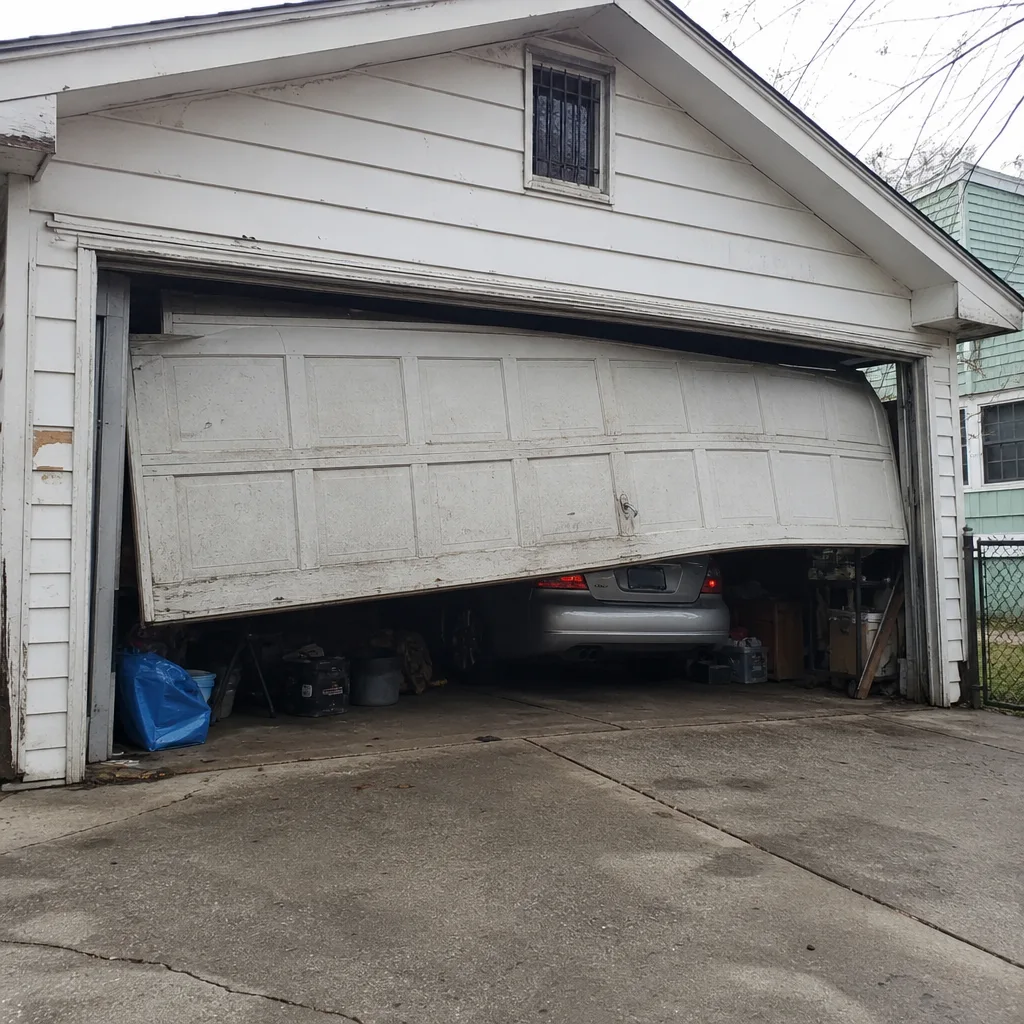 Before
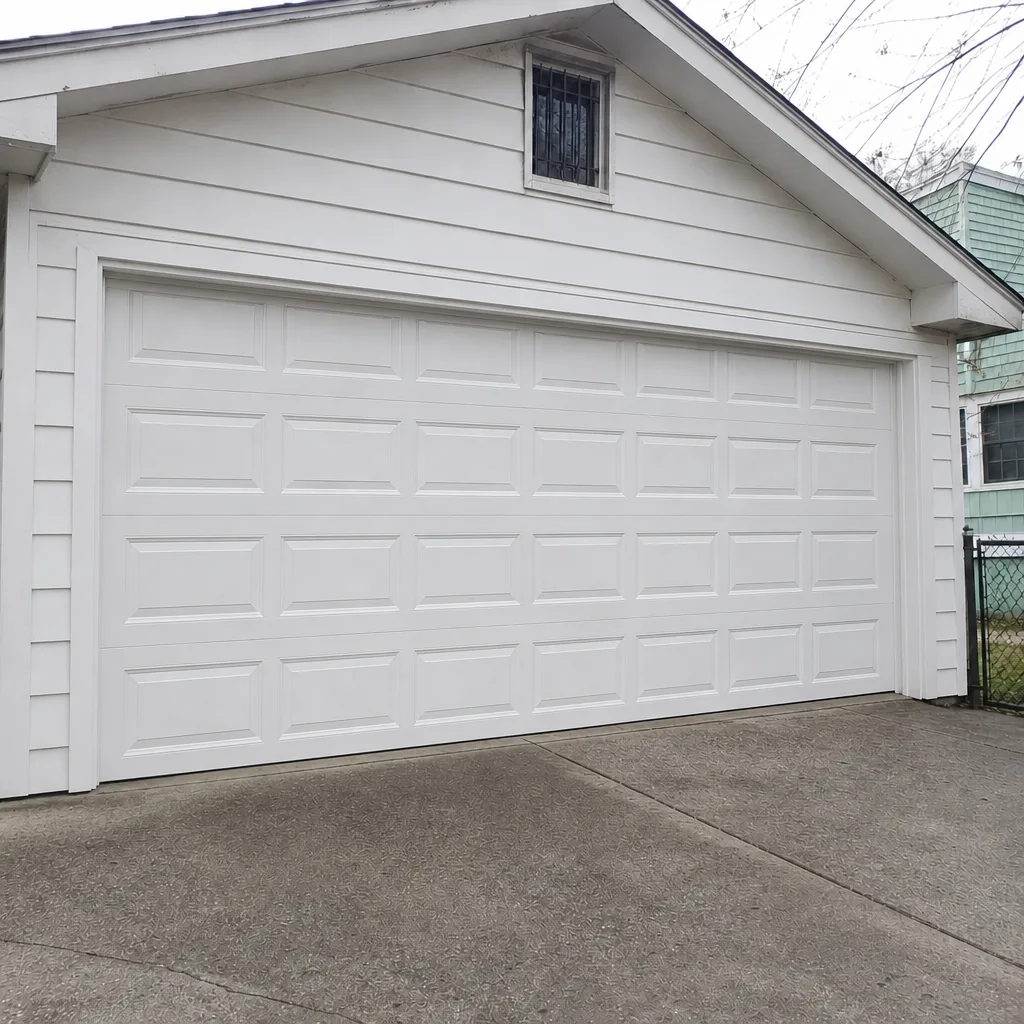 After
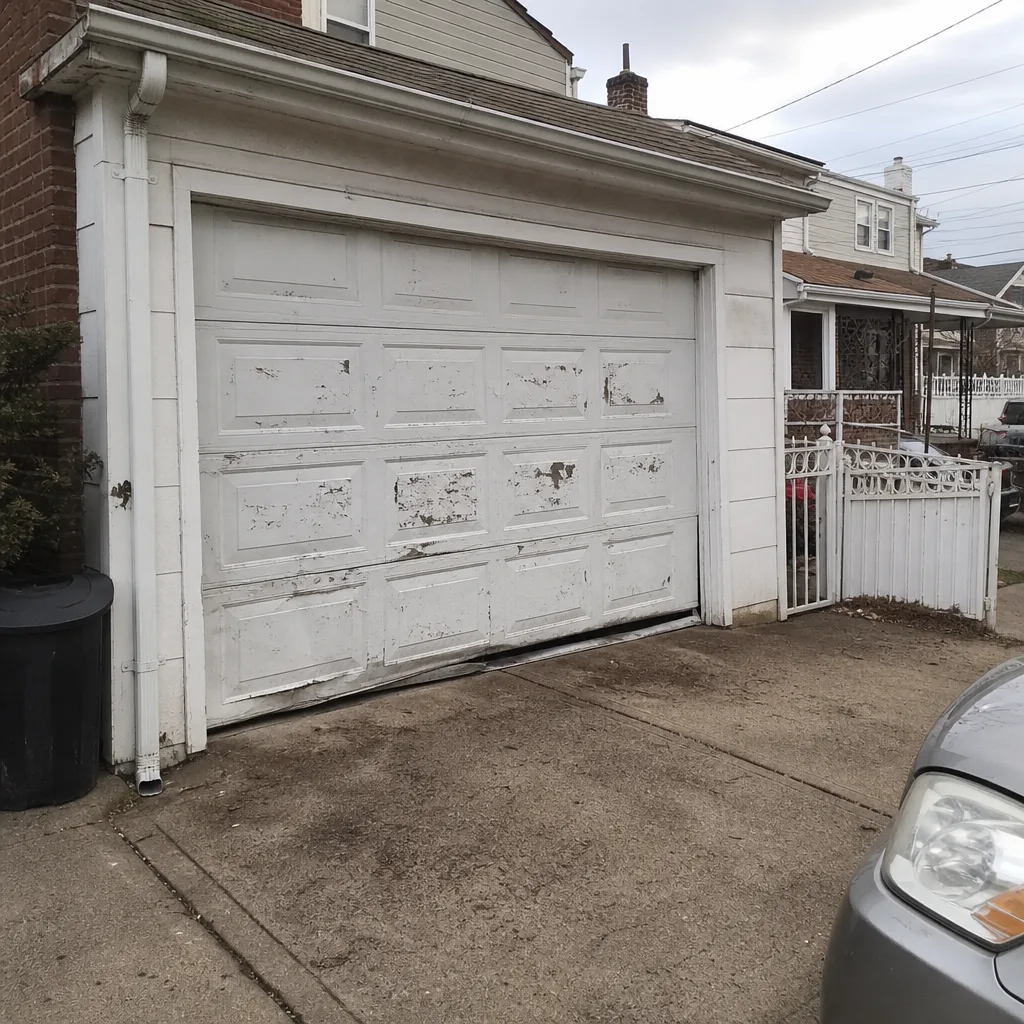 Before
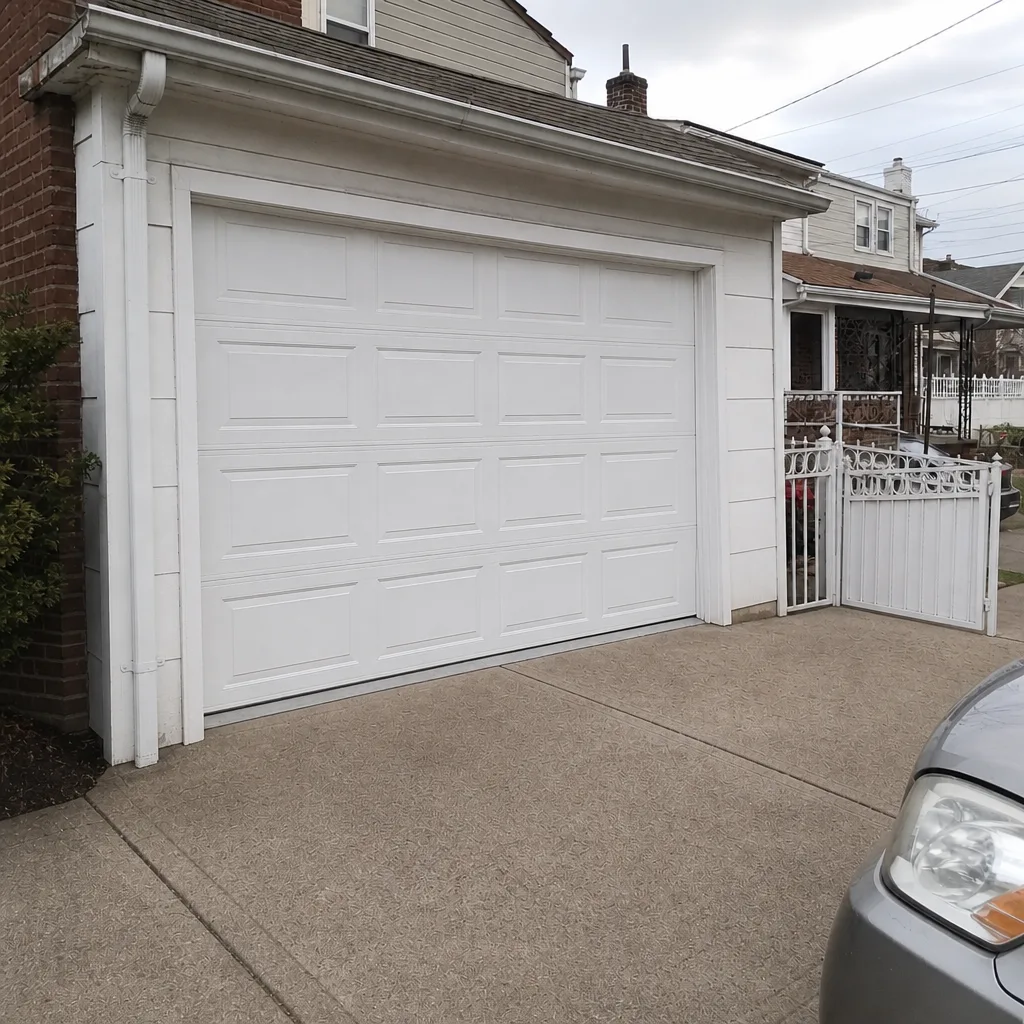 After
When to Call a Professional
Some garage door issues are decisions you can make yourself. Picking a brand and reading warranties is that type of decision. Other issues have to go to a technician because of safety or the tools involved. If a spring has snapped, or if the door has come off a track and is hanging, stop using the opener and call. If the door won’t stay closed and the house is exposed, that’s a security and weather issue that needs a same-day visit. If the opener keeps reversing, or the door goes up crooked, that’s a mechanical or alignment problem the technician has to diagnose on-site. Garage Door Repair East New York offers free estimates in East New York – call (877) 492-2281. We answer 24/7. A call outside dispatch hours is booked into the next opening, Sunday through Friday, 7am to 7pm.
Frequently Asked Questions
There’s no single best brand – the right choice depends on your garage’s exposure, your existing opener, and which brands have stocked parts in the NYC metro. For most East New York homes, a heavier-gauge steel door from Clopay, Amarr, or Wayne Dalton fits the local conditions well. The brand matters less than the fit. Call (877) 492-2281 for an exact quote on your garage – estimates are free.
Pricing is set per job by a written estimate, because the cost depends on the door size, material, opener compatibility, and the specifics of your garage. We don’t quote a single range because it wouldn’t be accurate for any particular door. A written estimate is the actual price, agreed before any work starts. Call (877) 492-2281 to schedule a free measure and written price.
Not usually – almost any residential door can be paired with almost any opener, provided the door’s weight is within the opener’s rated lift. In practice, the pairing that matters is weight-to-power, not brand-to-brand. If your door is heavier than the opener is rated for, even a slightly lighter door won’t fix the strain. We’ll check the numbers before we recommend a door. Call (877) 492-2281 with your opener model and door size.
Ask the dealer where the nearest stocking location is, and ask specifically about panels, rollers, and lift brackets – not just the whole door. A dealer who can order a model isn’t the same as a dealer who has the parts for it. Your technician’s own experience is the fastest check. We work on doors and openers from LiftMaster, Chamberlain, Genie, Clopay, Amarr, Wayne Dalton, Craftsman, and Raynor, so we can usually tell you in one call. Call (877) 492-2281 for a free estimate and we’ll talk through your options.
No. Garage door springs are under heavy tension even when the door is down, and the tools required to release that tension safely are not tools a homeowner typically has. A spring that lets go during a DIY attempt can cause serious injury. This is the one repair we always advise against taking on yourself. If a spring has snapped in East New York, call (877) 492-2281. We answer 24/7. Fast dispatch from 7am to 7pm, Sunday through Friday, and estimates are free.
No. The written estimate is the price you pay, and it’s agreed before any work starts. If the technician discovers something during service that’s not on the estimate, they’ll stop and talk to you about it before doing the additional work. Nothing gets added to the invoice without your agreement. Call (877) 492-2281 for a free estimate – the written number is the one that stands.
The Bottom Line
Brand selection for a garage door in East New York is a fit-and-availability decision, not a popularity contest. Match the door material to your garage’s exposure – steel for alley-facing and street-level, wood composite or wood only where water won’t reach it. Match the door’s weight to your opener’s rated lift. Check that parts for the brand are stocked somewhere in the NYC metro before you commit. Read the warranty at year three and year five, not just the headline number on the box. Pick the brand that fits those conditions, not the one with the best brochure. That’s the calculation that keeps a door going up and down for years. If we can help with any of it, we’re one call away.
Call Garage Door Repair East New York at (877) 492-2281 for a free estimate. We answer 24/7. Fast dispatch from 7am to 7pm, Sunday through Friday. We work on LiftMaster, Chamberlain, Genie, Clopay, Amarr, Wayne Dalton, Craftsman, and Raynor – springs, openers, panels, and full installs, one call covers it all.
Written by the team at Garage Door Repair East New York.