
Last updated November 21, 2026
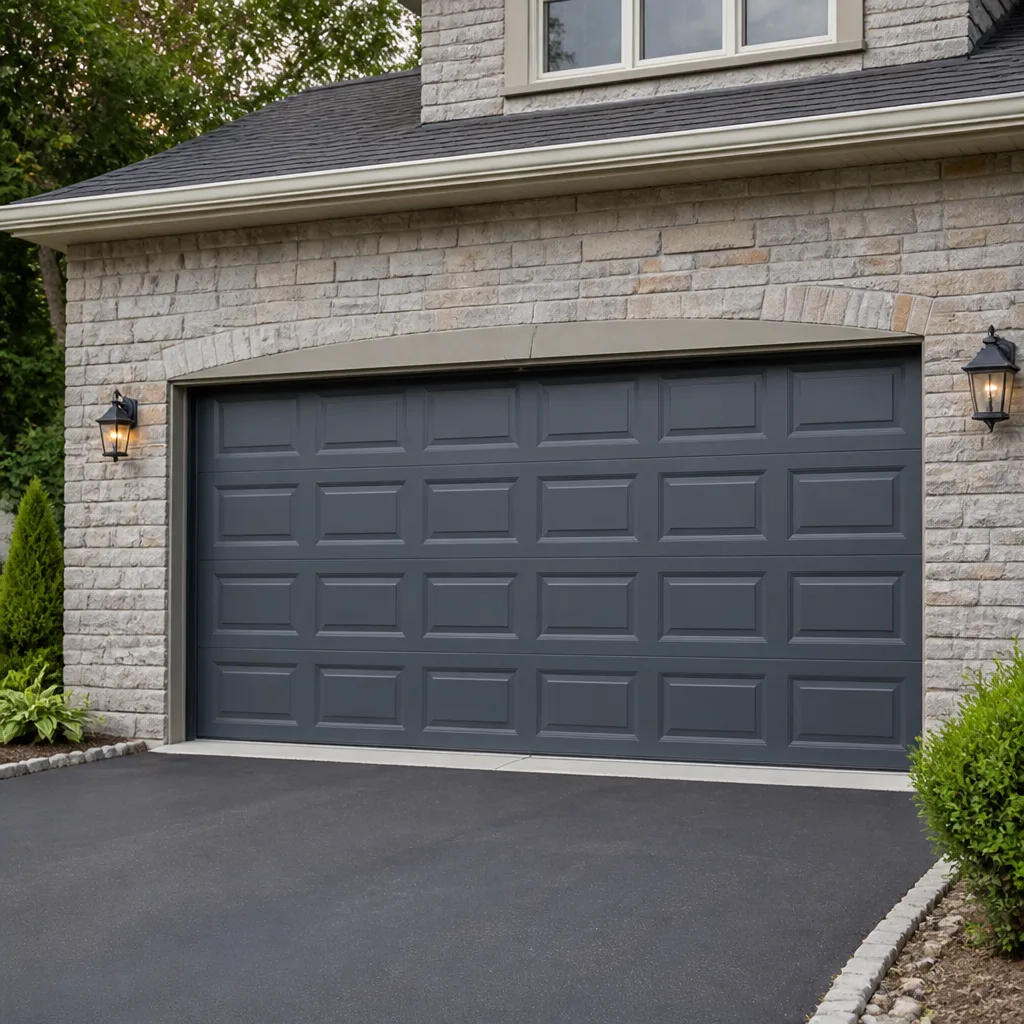 Raised-panel steel
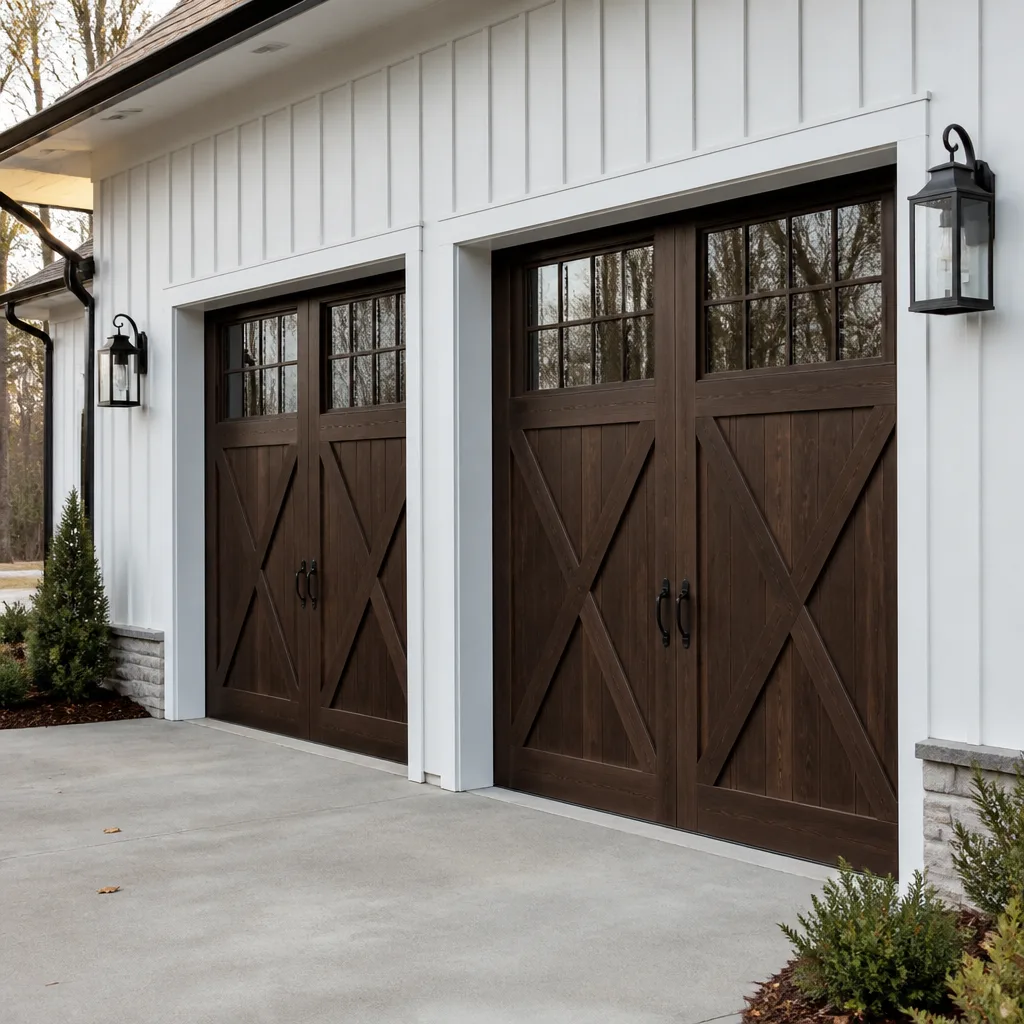 Carriage house
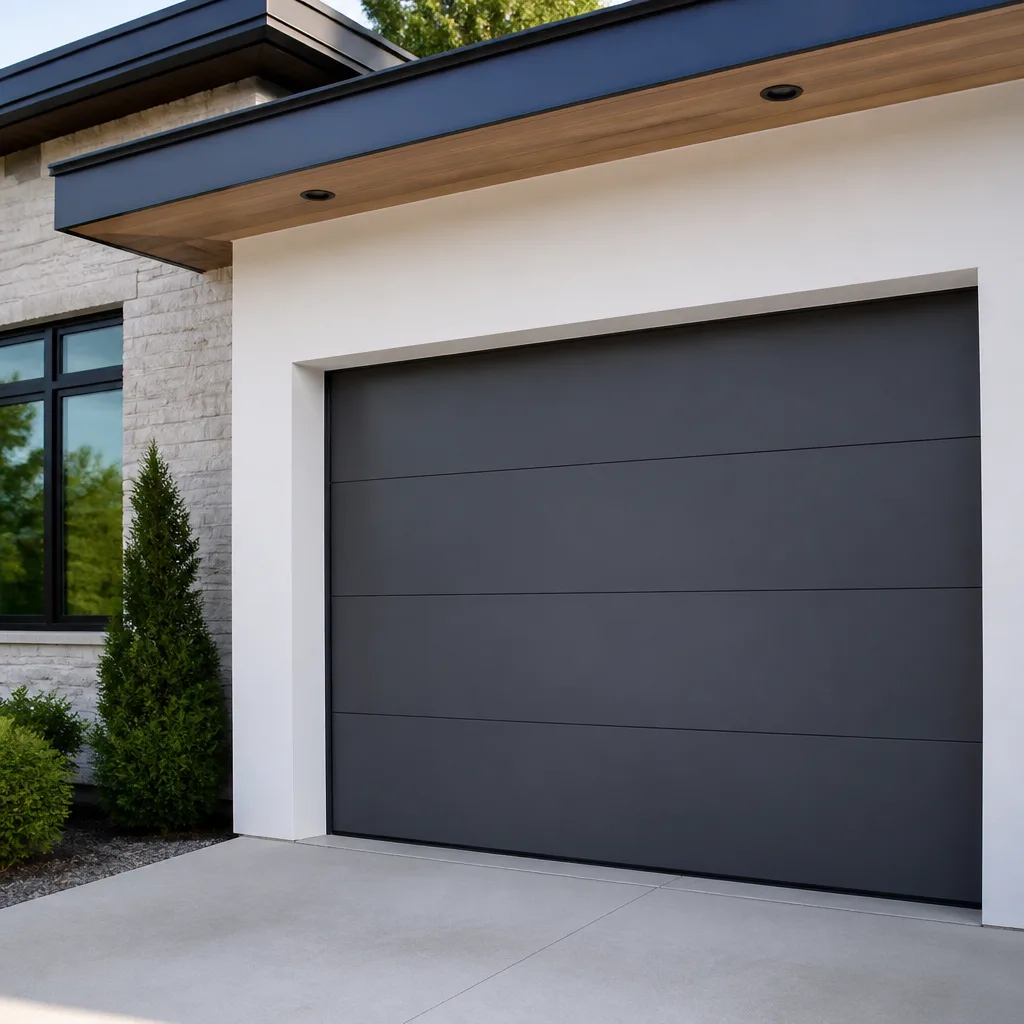 Modern flush
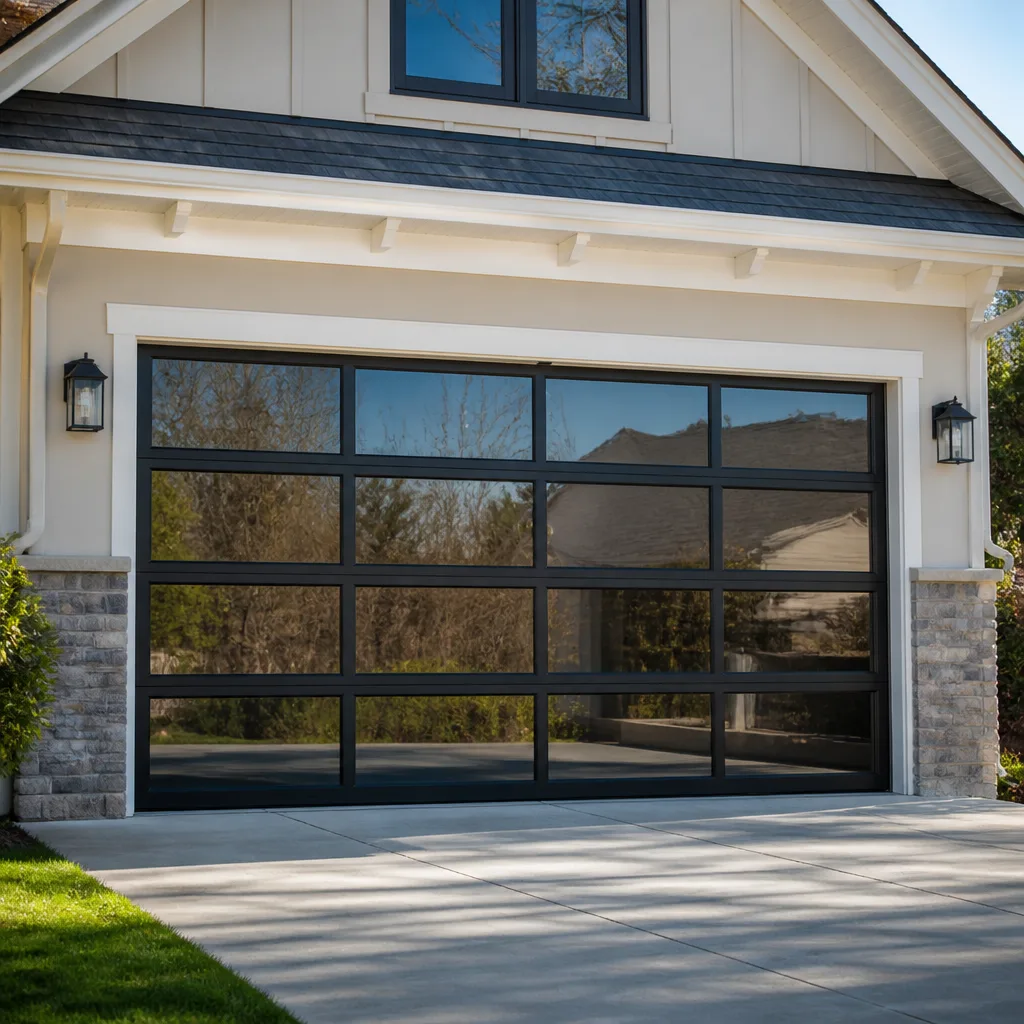 Full-view glass
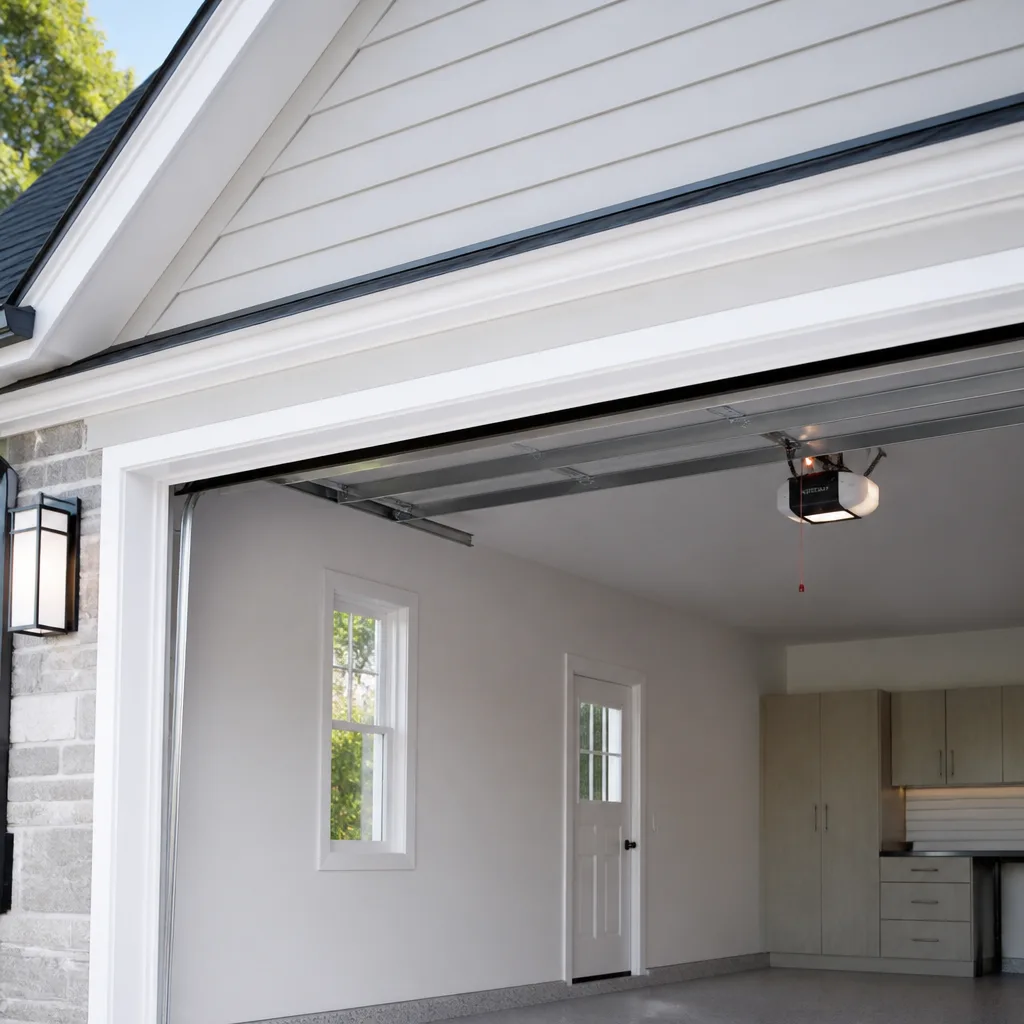 LiftMaster openers
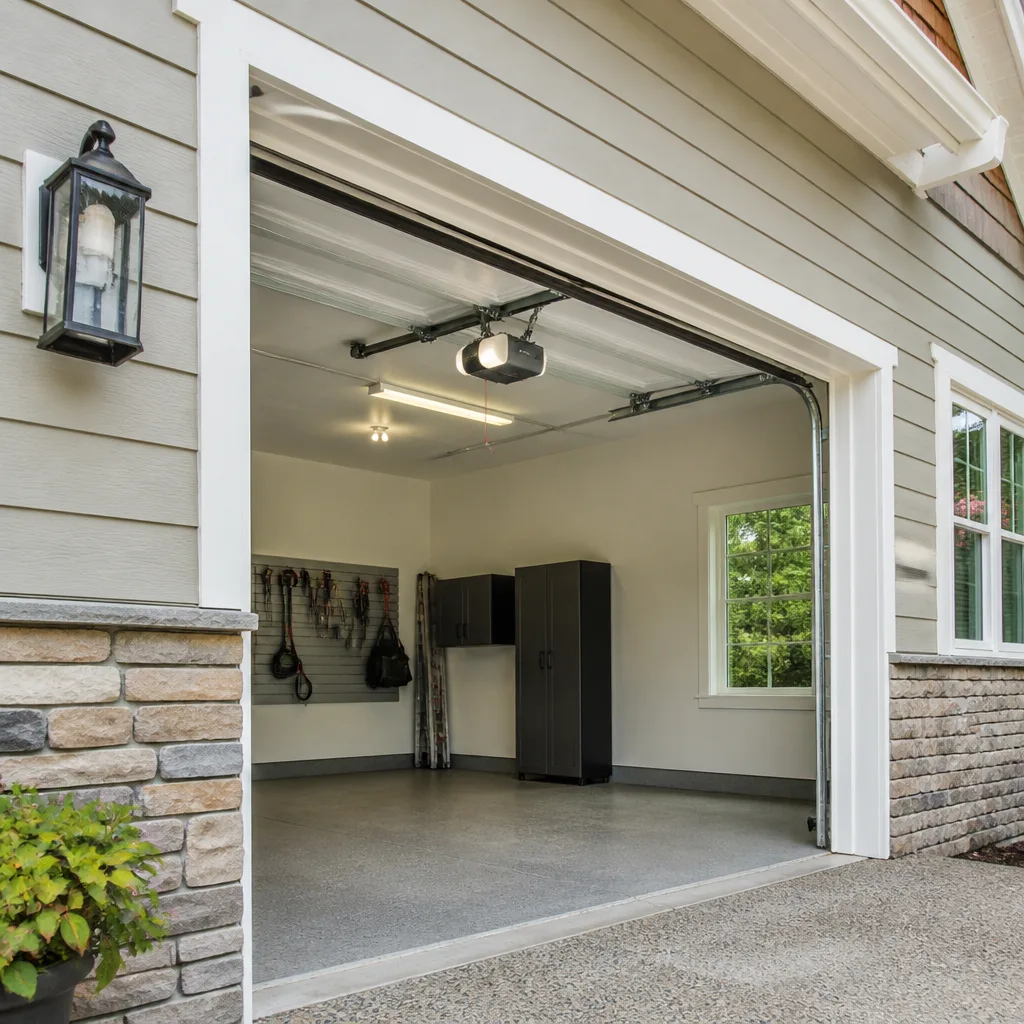 Chamberlain openers
Full 25-point door and opener safety check with every visit - springs, cables, rollers, tracks, and your LiftMaster or Chamberlain opener included
You get a price before we start. It does not change when the pro arrives.
Get your free estimateSeasonal Garage Door Care for East New York: Year-Round Homeowner’s Guide
A garage door that worked fine in October can fail in January, and the reason usually isn’t a sudden defect. It’s the same metal components that expanded through summer humidity contracting in the cold. A torsion spring that was already marginal in fall gets pushed past its limit when the temperature drops into the teens, and the door that opened on the first press all autumn suddenly won’t budge. This guide walks through what each season in East New York actually does to your door and opener, month by month, so small adjustments stay small. You’ll learn the fall checks that decide whether January goes smoothly, the winter damage patterns unique to Brooklyn streets, what to inspect after the thaw, and how summer humidity quietly changes how your opener reads its own safety sensors.
Styles & brands we work with
- Raised-panel steel
- Carriage house
- Modern flush
- Full-view glass
- LiftMaster openers
- Chamberlain openers
Quick Answer
Seasonal garage door care in East New York means matching maintenance to real local conditions: prepping seals and spring tension in fall before the first hard freeze, watching for road-salt and condensation damage through winter, inspecting cables and rust patterns in spring after the freeze-thaw cycle ends, and checking opener sensitivity and photo-eye alignment when summer humidity peaks. The work itself is mostly inspection and small adjustments, done on a schedule rather than after something breaks. Catching a worn seal or a dry hinge early is what keeps a minor repair from turning into a spring or panel replacement.
Table of Contents
- Why East New York’s Climate Is Hard on Garage Doors
- Fall Prep: What Decides Whether Your Door Works in January
- Winter Failure Modes Unique to Brooklyn
- Spring Recovery: What to Inspect After Winter
- Summer Considerations: Humidity, Wood, and Opener Sensitivity
- Month-by-Month Care Calendar
- What You Can Check Yourself and What You Shouldn’t
- Common Mistakes to Avoid
- When to Call a Professional
- Frequently Asked Questions
Why East New York’s Climate Is Hard on Garage Doors
East New York sits in a climate that swings hard in both directions: humid summers that push wood and steel through real expansion, and winters with enough freeze-thaw cycling to work on every seal and fastener on the door. Garage doors are a collection of materials with different expansion rates, and every one of them responds to temperature and moisture differently. Steel panels grow and shrink. Wood swells and dries. Rubber seals harden, then crack. None of this shows up on a mild day. It shows up when conditions push the door past what it was adjusted for.
What makes East New York specifically demanding is the combination of that climate with dense residential blocks, where doors face constant use and where the street throws up salt and grit all winter. A door in Cypress Hills or City Line gets worked harder in a season than the same door would in a quieter setting. The other factor is the housing stock: many East New York homes have older doors and openers that were installed with a different set of expectations, and an older door is less forgiving of the seasonal shifts that a newer one absorbs quietly.
Cycle count matters as much as weather. A door that runs several times a day accumulates thousands of cycles a year, and every cycle works the springs, cables, rollers, and hinges. Seasonal care isn’t about a ritual checklist; it’s about checking the components that the combination of weather and wear is most likely to push toward failure, before they cross the line. A torsion spring that’s nearing the end of its rated life doesn’t announce itself. It just waits for a cold morning.
We’ve seen this pattern repeatedly across East New York: the door that fails in the coldest week of the year was usually already showing signs in October that nobody looked for. A slightly slow start, a seal that didn’t sit flush, a hinge that had started to dry out. Those are the small things that decide whether the winter goes smoothly.
Fall Prep: What Decides Whether Your Door Works in January
Fall is the season that sets up everything else. The adjustments made in October and November determine whether the door runs reliably through the freeze, and the two areas that matter most are spring tension and the bottom weather seal. Both are easy to overlook because a door that’s working in fall gives no obvious indication that either needs attention.
Spring tension: Torsion springs are under constant load and lose some of their force over time, especially after a hot summer. A spring that’s marginally weak in fall will struggle much harder when cold metal stiffens in January. If the door feels heavier when you lift it by hand (disconnect the opener first, from a safe position), or if the opener has started to work visibly harder to lift it, the spring is telling you something. Weak spring tension also strains the opener: the motor compensates, runs hotter, and wears faster. Spring adjustment is not a homeowner job. Torsion springs store enormous energy, and the winding process requires specific tools and training. A trained technician can check and adjust tension safely, and it’s a straightforward visit that prevents a much worse one later.
Weather seal and bottom seal: The rubber or vinyl seal along the bottom of the door is what keeps cold air, moisture, salt spray, and pests out. Through summer heat it softens and takes a set; by fall it may no longer make clean contact when the door closes. Run your hand along the bottom edge of the closed door and feel for gaps. If the seal is cracked, flattened, or peeling away, replace it before the cold makes it rigid and useless. A failed seal lets water in under the door, which is where rust and freeze damage start.
Other fall checks:
- Lubricate hinges, rollers, and the torsion shaft with a garage-door-specific lubricant, not general-purpose oil that attracts grit.
- Check that all hinges and brackets are tight. Vibration from summer use loosens fasteners, and cold contracts them further.
- Test the opener’s auto-reverse function by placing a solid object in the door’s path. It should reverse on contact.
- Check the track for debris and confirm the door runs smoothly by hand before reconnecting the opener.
- Look at the cables for visible fraying or kinks, which are a warning sign rather than something to work on yourself.
For East New York homeowners, fall is also the right time to schedule any garage door repair that’s been deferred. Getting a worn roller or a sticky hinge addressed in October means it isn’t a problem in the middle of a cold snap. A free measure and written price now is easier than an emergency call later.
Winter Failure Modes Unique to Brooklyn
Winter is when the accumulated weaknesses of fall meet the cold, and in Brooklyn the failure patterns cluster around three things: road salt, freeze-thaw cycling, and condensation on steel doors. Each one attacks a different part of the system, and each one is worth understanding so you know what you’re looking at when something goes wrong.
Road salt: The salt used on streets and sidewalks through winter gets tracked onto garage floors and thrown up against the lower panels of doors, especially on corner lots and wherever the door faces the street. Salt is corrosive to painted steel and accelerates rust at the bottom of the door, around the bottom seal, and on the hinges and track rollers near the floor. The fix is simple but needs to be consistent: rinse the lower panels and the floor edge with plain water periodically through winter, and wipe salt residue off hardware before it has time to work in. A door that’s never rinsed through a Brooklyn winter can develop rust at the bottom edge within a single season.
Freeze-thaw cycling: Water gets into a gap, freezes, expands, and then thaws, and the cycle repeats. Over a winter it works seal edges loose, opens small cracks in wood panels, and can jam a track if water gets into the mounting points and refreezes. The doors most affected are those with a failed bottom seal (water gets in) and those with loose weatherstripping around the frame. Keeping the seal intact through fall is what prevents freeze-thaw damage in winter. If the door sticks or the track binds on a cold morning, don’t force it. Forcing a frozen door can bend a panel or jump a cable.
Condensation on steel doors: A steel door’s outer surface gets cold, and warm humid air from inside the garage condenses on it. That trapped moisture accelerates rust on the inside face and along the panel seams, and it’s easy to miss because the outside of the door looks fine. Check the inside face of the door through winter for dampness and early rust bloom, especially along the bottom rail. A door that has lost its weather seal at the bottom is the most vulnerable, because it’s taking in both condensed moisture and cold air.
Cold weather also affects the opener itself. Lubricant in the motor, gear, and rail thickens in low temperatures, making the motor work harder and the door slower on the first few cycles of a cold morning. If your opener is a LiftMaster, Chamberlain, or Genie unit, those are systems we work with regularly, and cold-weather slow response on a marginal unit is worth diagnosing rather than ignoring. A worn drive gear or a failing capacitor makes cold-weather startup worse and eventually stops the door entirely.
Emergency garage door service matters most in winter, when a door that won’t close leaves a home unsecured and a door that won’t open traps a car. If that happens in East New York, that’s the situation emergency service exists for: we answer 24/7, and dispatch runs 7am to 7pm, Sunday through Friday.
Spring Recovery: What to Inspect After Winter
Spring is when you find out what winter did. The damage that shows on the surface, a bent panel or a torn seal, is easy to spot. The damage that doesn’t show is the part that matters, and it falls into two categories: cable fraying and rust patterns forming under cold-weather stress.
Cable fraying: The lift cables run from the bottom corners of the door up through the drums and are under constant tension. Winter cold makes the cable more brittle, and freeze-thaw movement at the drum and at the bottom bracket works the strands. Fraying starts small, a few broken strands near the drum or the bottom bracket, and it’s the kind of thing that progresses to a full cable failure if it isn’t caught. A broken cable lets the door drop on one side, which is dangerous and can bend the door and track. Look along the full length of each cable for kinks, broken strands, or a fuzzy appearance. Cables are under high tension and are not a DIY repair. If you see fraying, stop using the door and have it looked at.
Rust patterns: After a winter of salt and condensation, rust shows up in predictable places: the bottom rail and lower panels, the hinges, the track near the floor, and the bottom brackets. Surface rust on hinges and tracks can be cleaned and the metal protected. Rust that has moved into the panel seams or the bottom rail is structural and needs a closer look, because a rusted bottom section weakens the whole door. Check the inside face as well as the outside. Rust that forms on the inside face through condensation is often more advanced than the outside suggests.
Spring inspection checklist:
- Check the bottom seal for tears and confirm it still makes contact with the floor.
- Inspect both cables end to end for fraying, kinks, and rust.
- Look at the torsion spring for gaps, and at extension springs for stretched or worn coils. Never try to adjust or remove a spring.
- Test the door balance by hand (opener disconnected): lift it halfway and let go. It should hold roughly in place. A door that drops or rises on its own has a spring problem.
- Check the hinges, rollers, and track for looseness, wear, and rust, and clean and lubricate them.
- Test the opener’s safety reverse and the photo-eye sensors, and clear any winter debris from the sensor lenses.
Spring is also the natural time to consider whether the door itself is worth keeping. If winter has exposed a door that’s rusting through, out of balance, and running on an opener that’s also failing, a garage door installation evaluation is often more sensible than repeated repairs. A free measure and a written price tell you what a replacement actually costs before you decide.
Summer Considerations: Humidity, Wood, and Opener Sensitivity
Summer is the season of moisture, and moisture changes how every part of the system behaves. Wood doors swell. Steel doors sweat. Opener electronics read the humidity too, and the photo-eye safety sensors, which are the door’s most important safety feature, are the component most affected.
Humidity and wood doors: A wood garage door takes on moisture through summer and swells, which can cause panels to bind, the door to bow slightly, and the bottom seal to sit unevenly. The swelling often resolves as the wood dries in fall, but repeated wet-dry cycles open up cracks and seams where water gets deeper next time. The defense is a maintained finish: seal or paint the door on a sensible cycle, and re-treat any bare or cracked spots before the wet season. Check the bottom rail and the panel joints, which take on the most moisture. A wood door in East New York that’s never refinished through years of humid summers will show it in the form of checking and peeling paint, and once water gets behind the finish, the repairs get bigger.
Opener sensitivity: An opener has a force setting that determines how much resistance it tolerates before reversing. Humidity affects the door’s weight and how freely it moves, and a force setting that was correct in the dry season can become marginal in the humid season. The door might start reversing partway down, or struggle to close on the first press. The fix is usually an adjustment, but it’s worth checking the door’s balance and tracks first, since the opener is often compensating for a door that’s binding. On a LiftMaster or Chamberlain unit, the force and travel limits are adjustable, and a technician can set them correctly rather than turning them up until the symptom goes away.
Photo-eye alignment: The photo-eye sensors sit at the bottom of the tracks on either side of the door and stop and reverse the door if something breaks the beam. They’re small, they’re mounted low, and they get knocked out of alignment by everything from a trash can to a kid’s bike to a weed trimmer. In summer, when the door is used more and the garage gets more traffic, misalignment is one of the most common reasons a door won’t close. The lenses also cloud with dust and cobwebs. Check that both sensors face each other square, that nothing is in the path, and that the lenses are clean and the indicator lights are solid. If the door reverses immediately on closing and the sensors look aligned and clean, the wiring or the sensor itself may need attention, which is an opener diagnostic.
If your opener is a Raynor, Genie, or Craftsman system and it’s misbehaving in the humid months, garage door opener repair should start with the system, not just the symptom. A force setting that’s been cranked up to compensate for a binding door is masking a problem that gets worse over time.
Month-by-Month Care Calendar
A generic four-season template doesn’t work in New York, because the swings within each season are real. The calendar below is built around the actual pattern: hot humid summers, hard freeze-thaw winters, and short shoulder seasons in between.
- March: Post-winter inspection. Cables, springs, rust patterns, bottom seal. Clean and lubricate hardware, and clear winter debris from the tracks and photo eyes.
- April: Address spring findings. Replace a torn bottom seal, schedule any cable or spring work, and decide whether the door’s condition warrants a replacement evaluation.
- May: Prep for summer. Check the wood door’s finish and touch up bare spots, test opener force settings and safety reverse, and clean the photo-eye lenses.
- June: Peak humidity begins. Watch for binding, reversing, or slow starts. Confirm the door’s balance by hand and adjust the opener only after ruling out a mechanical bind.
- July: Mid-summer check. Re-clean the photo eyes (dust and cobwebs return fast), listen for new noises from rollers and hinges, and lubricate moving parts.
- August: Late-summer inspection. Check for wood swelling and panel binding, and confirm the bottom seal still contacts the floor.
- September: Fall prep begins. Check spring tension by feel and door balance, inspect the bottom seal, tighten hinges and brackets, and lubricate.
- October: The critical month. Replace a marginal bottom seal, have weak spring tension adjusted, and test the opener’s cold-weather readiness before the first freeze.
- November: Pre-freeze finish. Confirm the door closes flush, that no water can get in under the seal, and that the photo eyes are clean and aligned.
- December through February: Winter watch. Rinse salt from the lower panels and floor edge, check the inside face for condensation and rust, and don’t force a frozen door.
Two months carry most of the weight: October, which sets up the winter, and March, which finds out what the winter did. If you only do two checks a year in East New York, make them those two.
What You Can Check Yourself and What You Shouldn’t
Most of seasonal care is inspection and light maintenance, and that part is genuinely a homeowner job. The rest is not, and knowing the line is what keeps the work safe. Springs and cables store enough energy to cause serious injury, and they don’t give a warning before releasing it.
Safe to do yourself:
- Visual inspection of seals, panels, hinges, and track for wear and rust.
- Cleaning and lubricating hinges, rollers, and the torsion shaft with garage-door lubricant.
- Tightening hinge and bracket fasteners (hand-tight, not forced).
- Cleaning the photo-eye lenses and clearing debris from the sensor path.
- Rinsing salt from lower panels and the garage floor edge through winter.
- Testing the opener’s safety reverse with a solid object in the door’s path.
Not a DIY job:
- Adjusting, winding, or replacing torsion springs. These are under extreme tension and require specific winding tools and training.
- Replacing lift cables, which are under high tension and can cause the door to drop if released incorrectly.
- Adjusting the opener’s force and travel limits beyond basic testing, especially if a mechanical bind hasn’t been ruled out.
- Straightening a bent track or panel. Forcing either can cause the door to come off the track.
- Working under a door that’s held open by anything other than its own hardware.
This is one of the reasons we handle spring and cable work directly rather than sending it out. It’s the most dangerous part of the trade, and it’s also where a lot of seasonal problems end up. If a spring is weak in October, the right answer is to have it checked and adjusted safely, not to run the door harder and hope it holds until spring.
Common Mistakes to Avoid
- Waiting for a failure before inspecting. Seasonal care only works if it’s done on schedule. A door that’s quiet in October isn’t necessarily healthy, and the parts most likely to fail in winter give no warning once the cold arrives.
- Ignoring a marginal bottom seal through fall. The bottom seal is the first line of defense against water, cold air, and salt. A seal that’s flattened or cracked in September lets water in all winter, and that’s where rust and freeze damage start.
- Forcing a frozen or binding door. A door that sticks on a cold morning is telling you something is binding or frozen. Forcing it can bend a panel, jump a cable, or damage the opener. Stop and have it looked at.
- Using general-purpose oil on the hardware. Standard oil attracts grit and dust, which turns into a grinding paste on rollers and hinges. Use a lubricant made for garage doors, and apply it sparingly.
- Turning up the opener’s force setting to fix a door that reverses. The force setting is a safety limit, not a volume knob. If the door reverses, the cause is usually a sensor, a bind, or a balance problem, and raising the force masks it while making the door less safe.
- Skipping the salt rinse through winter. It takes a couple of minutes and it’s the single most effective thing you can do for the lower panels, hinges, and track during a Brooklyn winter. Skip it, and rust starts at the bottom edge where the door is weakest.
- Assuming the inside face is fine because the outside looks good. Condensation rust and cable wear show up on the inside face and along the cables, where most homeowners never look. Make the inside part of your seasonal inspection.
When to Call a Professional
Some situations don’t wait for the next scheduled check. Call a professional when a spring has snapped or the door won’t lift at all, when a cable is frayed, kinked, or broken, when the door is off its track or hanging unevenly, or when the opener reverses for no clear reason after you’ve checked the sensors and the path is clear. A door that won’t close is a security problem as well as a mechanical one, and a door that won’t open can trap a car. Those are the situations emergency garage door service exists for. We answer 24/7, and fast dispatch runs from 7am to 7pm, Sunday through Friday, closed Saturday. A call outside dispatch hours is booked into the next opening.
If the issue is smaller, a marginal seal, a noisy hinge, a door that’s due for a seasonal check, that’s a scheduled visit, not an emergency. Garage Door Repair East New York offers free estimates in East New York. Call (877) 492-2281 to set one up, and you’ll get a written price before any work starts.
Frequently Asked Questions
Twice a year covers most East New York homes: once in October before the first hard freeze and once in March after the freeze-thaw cycle ends. Those two checks catch the seasonal damage that causes most winter failures and most spring repair bills. Homes with older doors or high daily use benefit from a mid-summer check as well. Call (877) 492-2281 to schedule a seasonal inspection; estimates are free.
Cold stiffens the door’s metal components, thickens lubricant in the opener and on the hardware, and reduces the effective force of the springs, all at once. A door whose spring tension was already marginal in fall will feel noticeably heavier in January, and the opener has to work harder to lift it. If the door is slow or struggling on cold mornings, have the balance and spring tension checked before it fails completely. Call (877) 492-2281 for an estimate.
Yes. Salt tracked in from the street is corrosive to painted steel, and it collects at the bottom panels, bottom brackets, hinges, and track, exactly where the door is most vulnerable to rust. Rinsing the lower panels and garage floor edge with plain water through winter slows it down considerably. If rust has already started at the bottom rail or panel seams, have it assessed before it weakens the door. Call (877) 492-2281 for a free estimate.
Humidity changes the door’s weight and how freely it moves, which can push a marginal opener force setting or a slightly misaligned photo eye past its limit. Check the photo-eye lenses for dust and alignment first, then have the door’s balance and the opener’s force and travel settings checked. Don’t raise the force setting to compensate; that masks a mechanical problem. Call (877) 492-2281 for a diagnostic visit.
No. Torsion springs are under extreme tension and the winding process requires specific tools and training, and an incorrect adjustment can release the spring with enough force to cause serious injury. Spring checks, adjustments, and replacements should always be done by a trained technician. Call (877) 492-2281 and we’ll check them safely; estimates are free.
It depends on the pattern of repairs. If the door needs repeated fixes for the same problem, or if the panels are rusting through and the opener is also aging, replacement is often the better value. If the door is structurally sound and the issue is a seal, hinge, or spring, repair makes more sense. We’ll give you a written price for both, so the decision is yours. Call (877) 492-2281 for a free measure.
The Bottom Line
Seasonal garage door care in East New York is less about a long checklist and more about timing. The two months that matter most are October, when the bottom seal and spring tension decide how the winter goes, and March, when the cables and rust patterns from a winter of salt and freeze-thaw get found. Everything in between is light inspection and cleaning: rinse the salt, lubricate the hardware, keep the photo eyes clear, and don’t force a door that’s binding. Springs and cables stay a professional job, always. The goal is a small, scheduled adjustment now instead of a snapped spring or a failed opener in the cold. Our technicians have up to 15 years of experience with LiftMaster, Chamberlain, Genie, Raynor, and the other major brands, so a seasonal check covers the whole system, door and opener together. Garage Door Repair East New York covers the full service arc, from seasonal maintenance to emergency repair to installation. Call (877) 492-2281 for a free estimate. We answer 24/7. Fast dispatch from 7am to 7pm, Sunday through Friday.
Written by the team at Garage Door Repair East New York.
See the difference
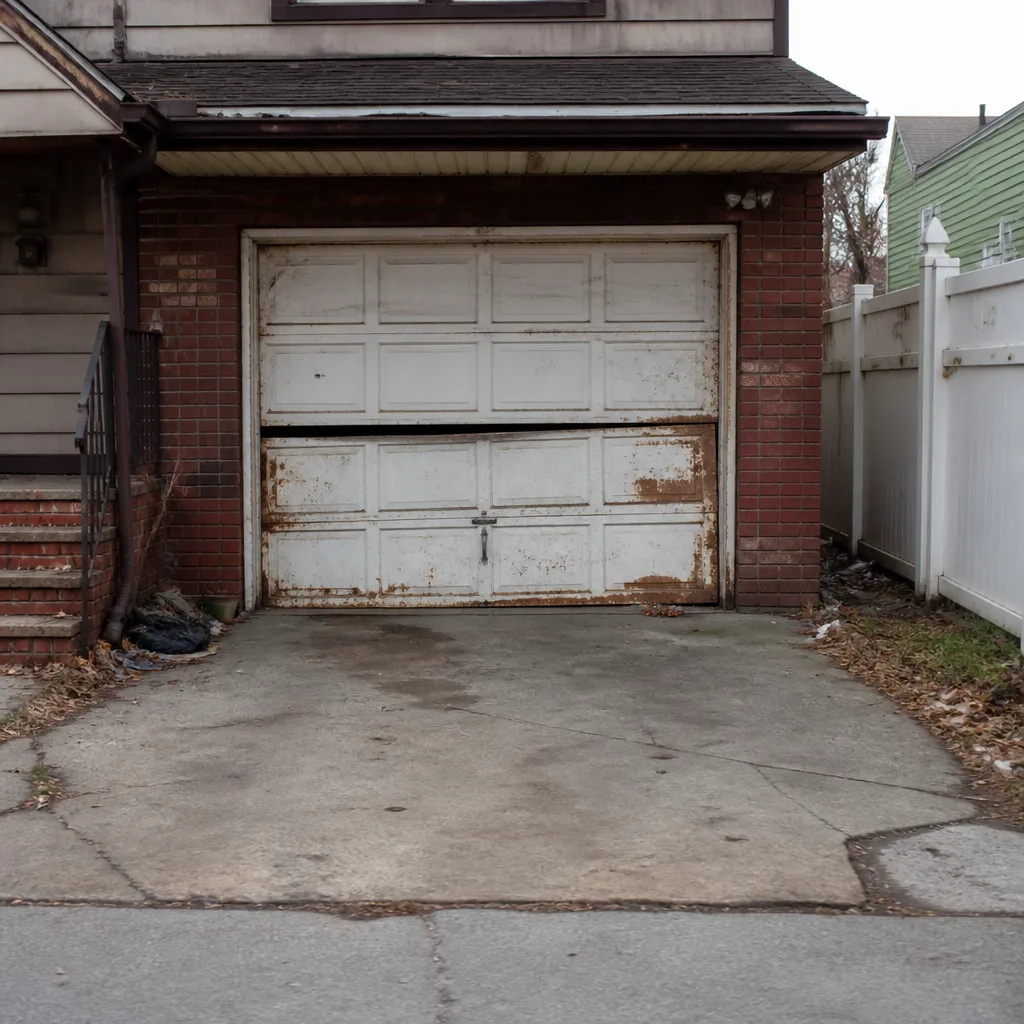 Before
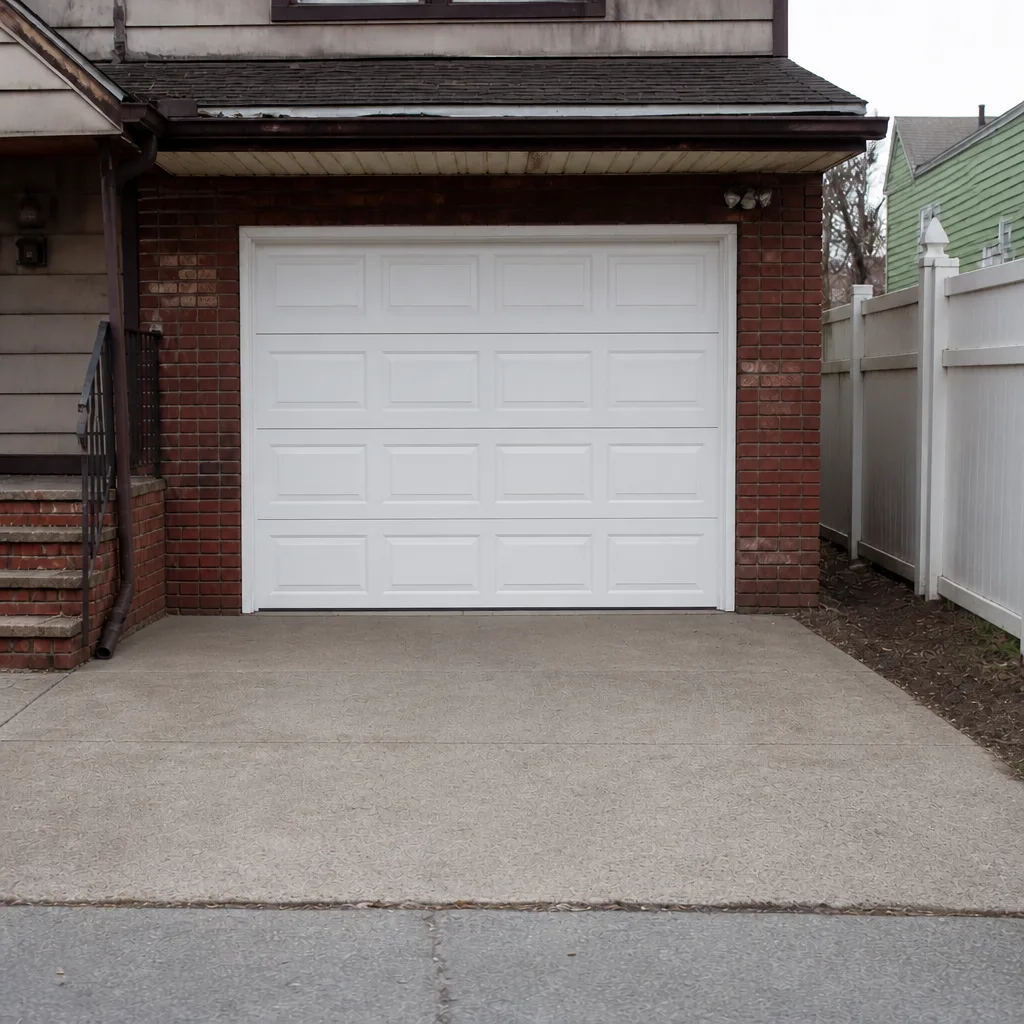 After
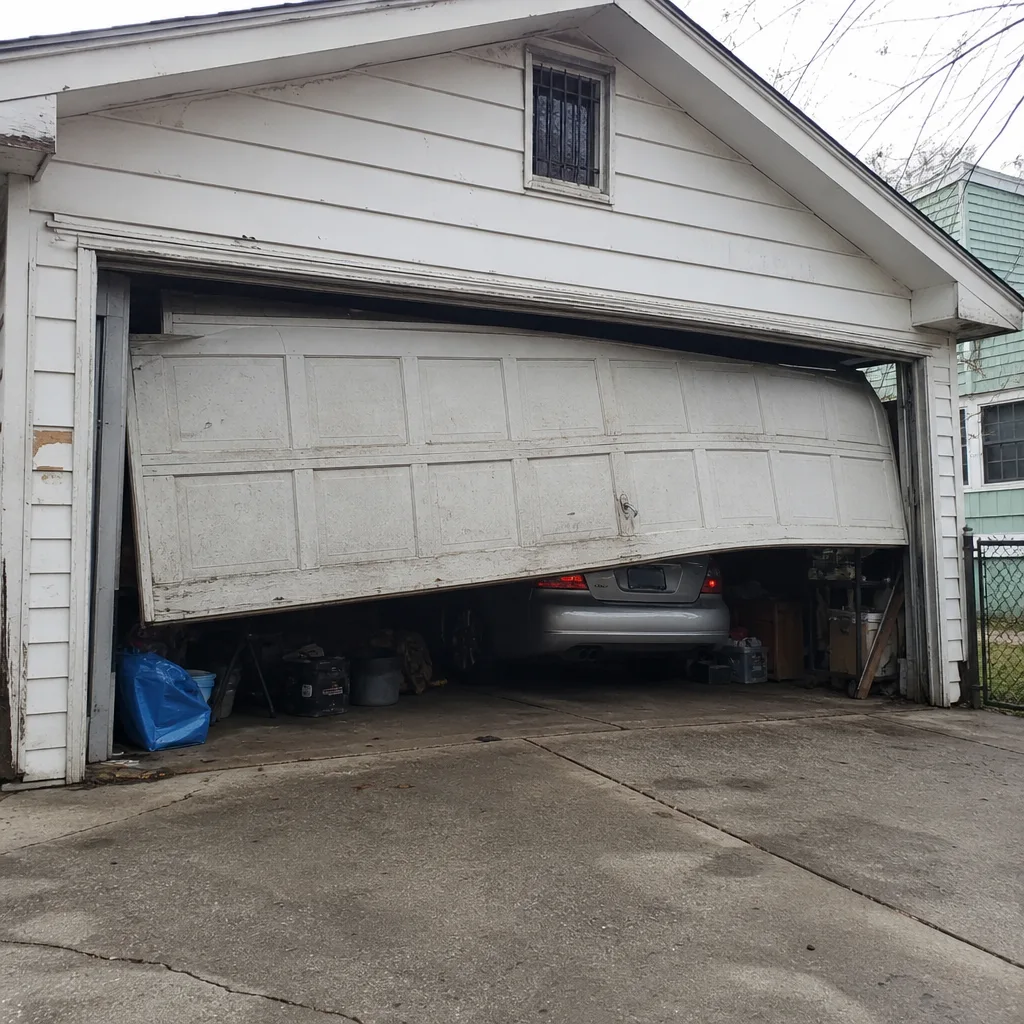 Before
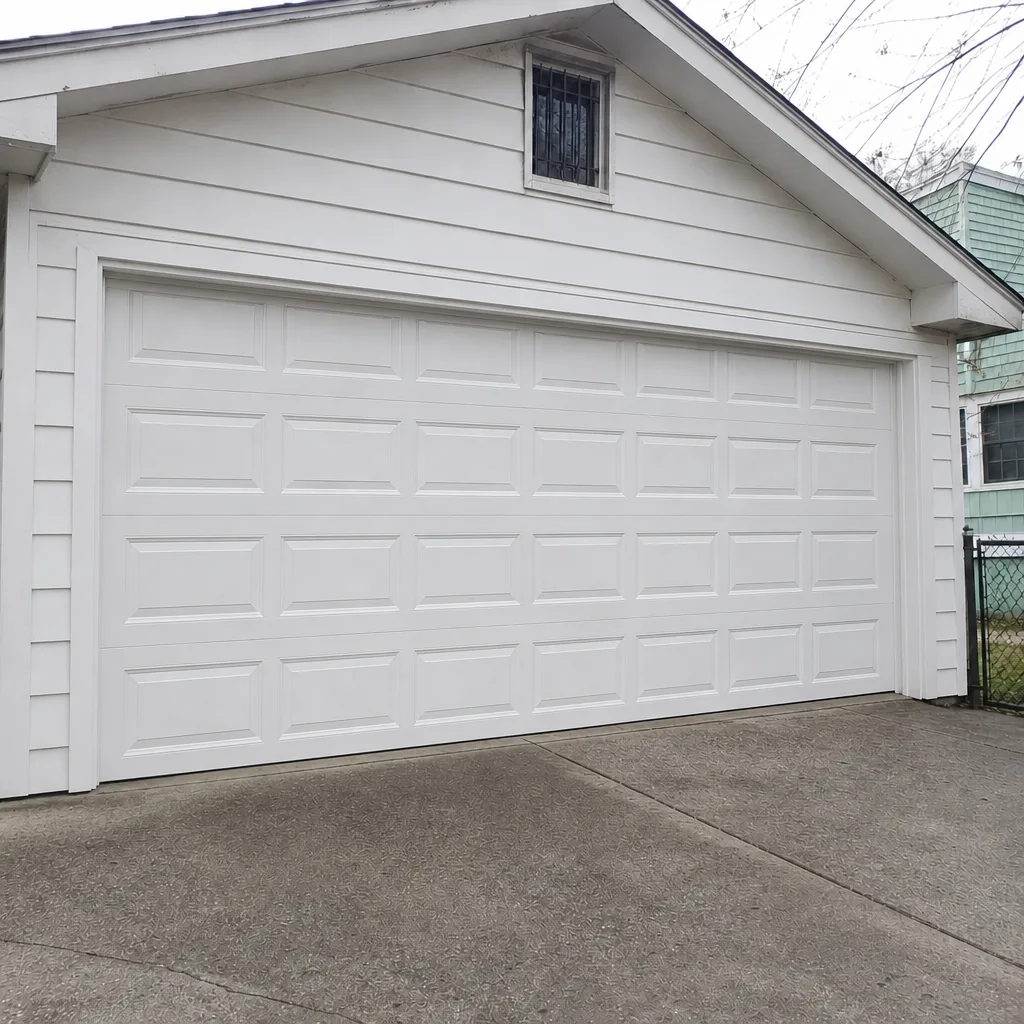 After
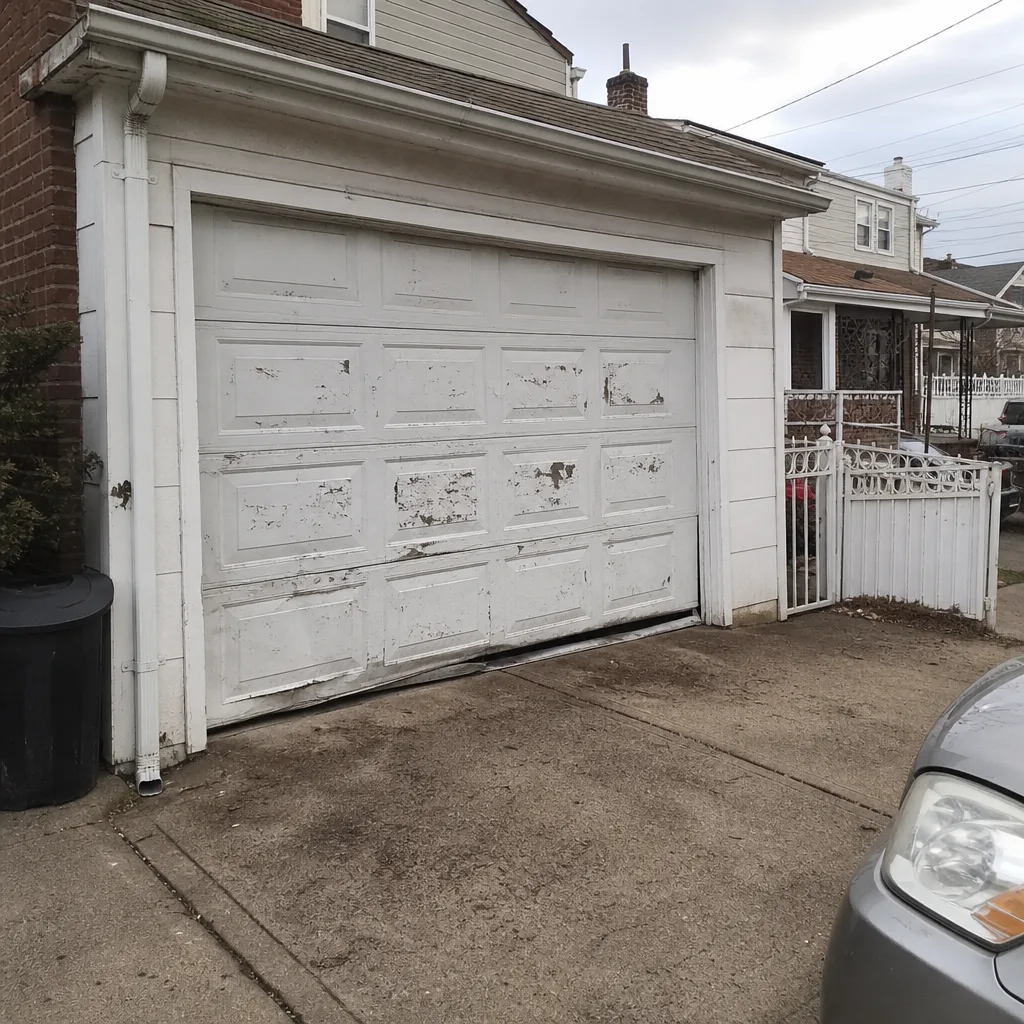 Before
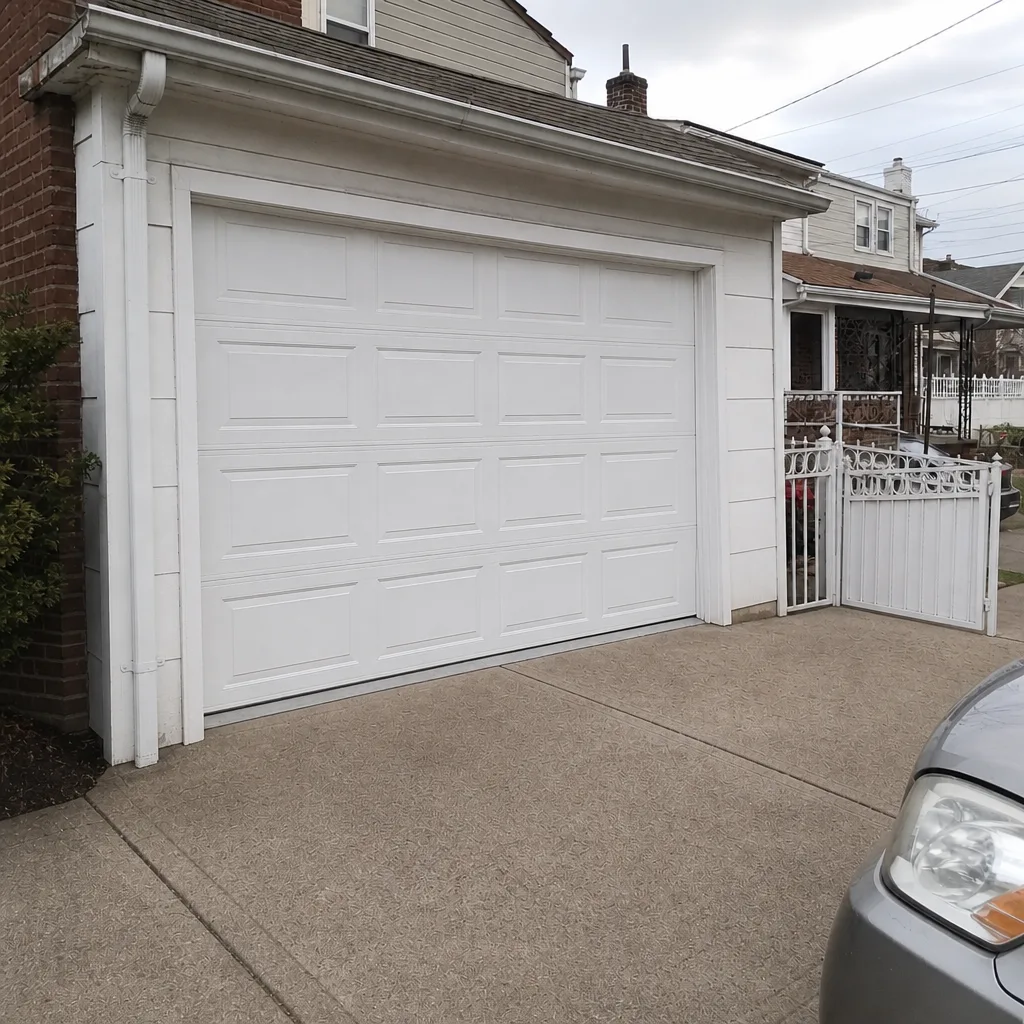 After