
Last updated November 21, 2026
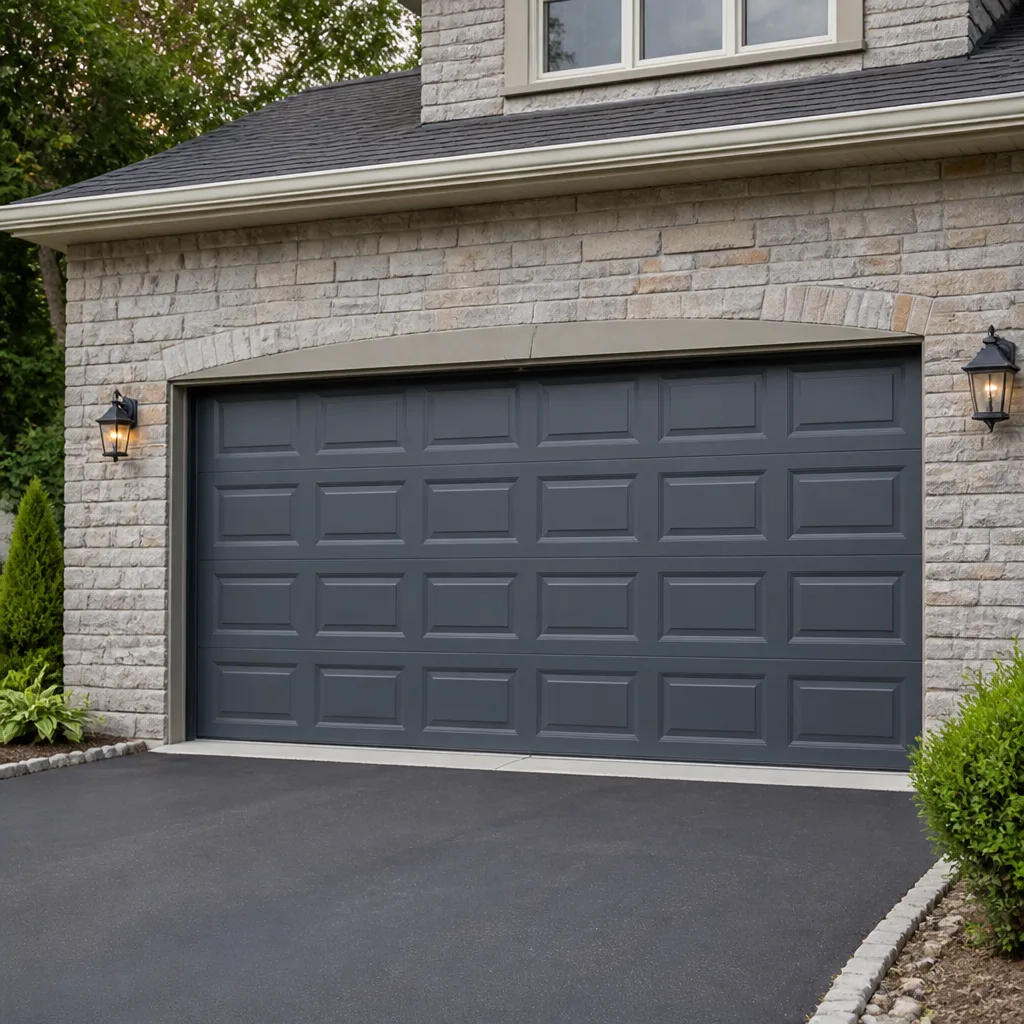 Raised-panel steel
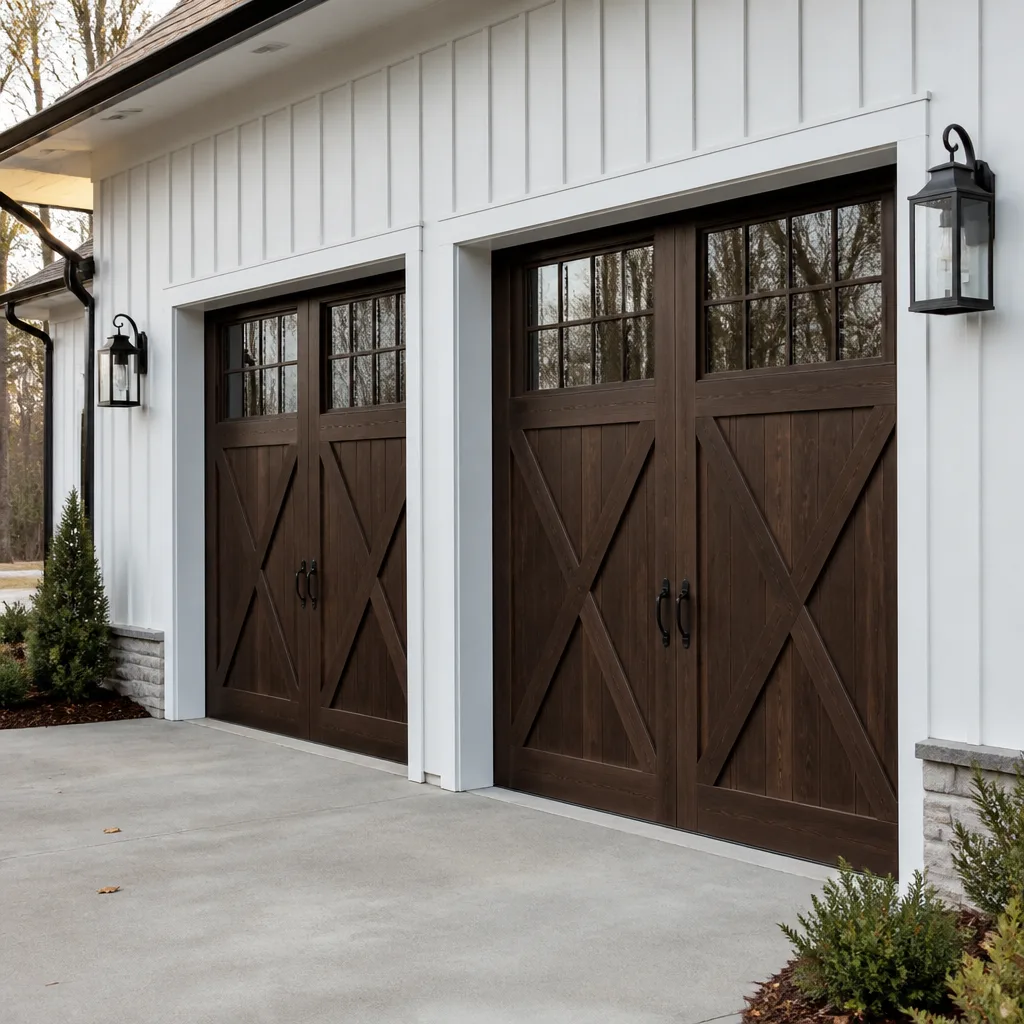 Carriage house
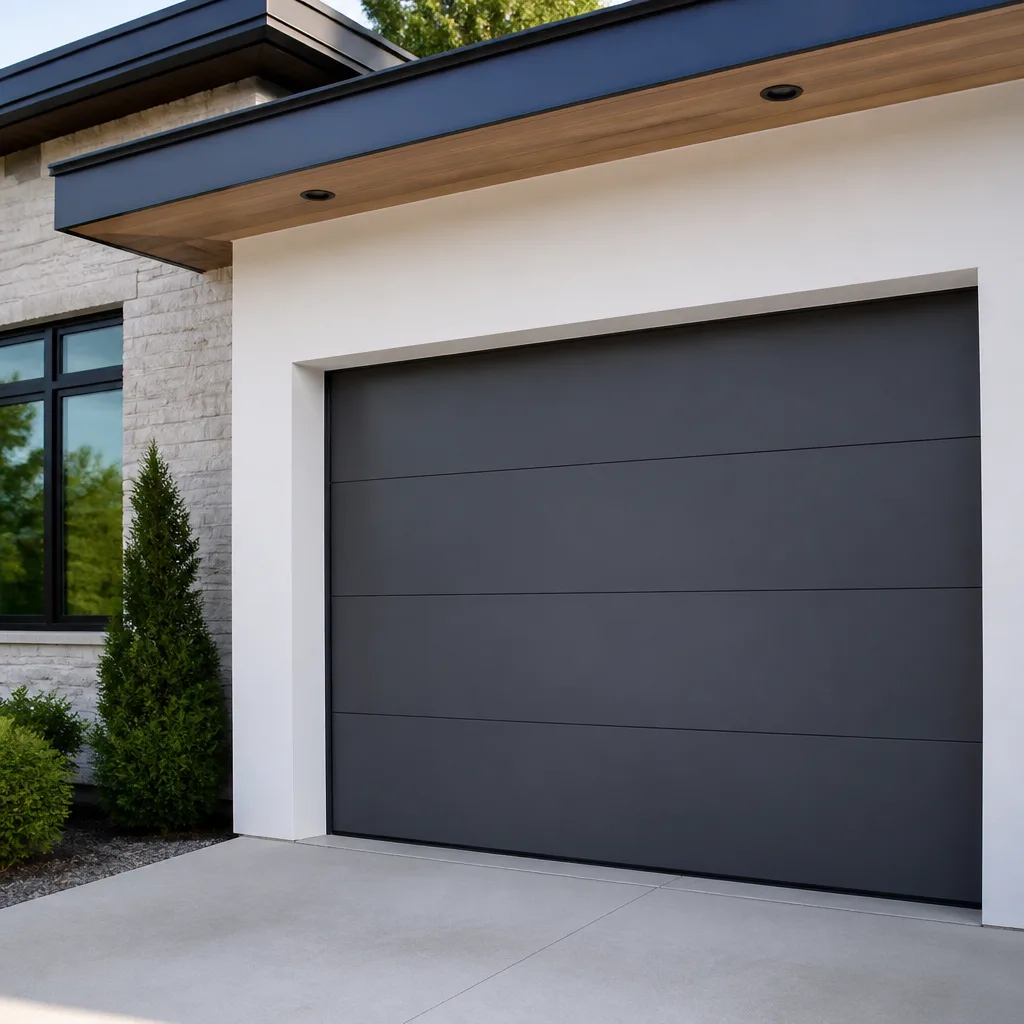 Modern flush
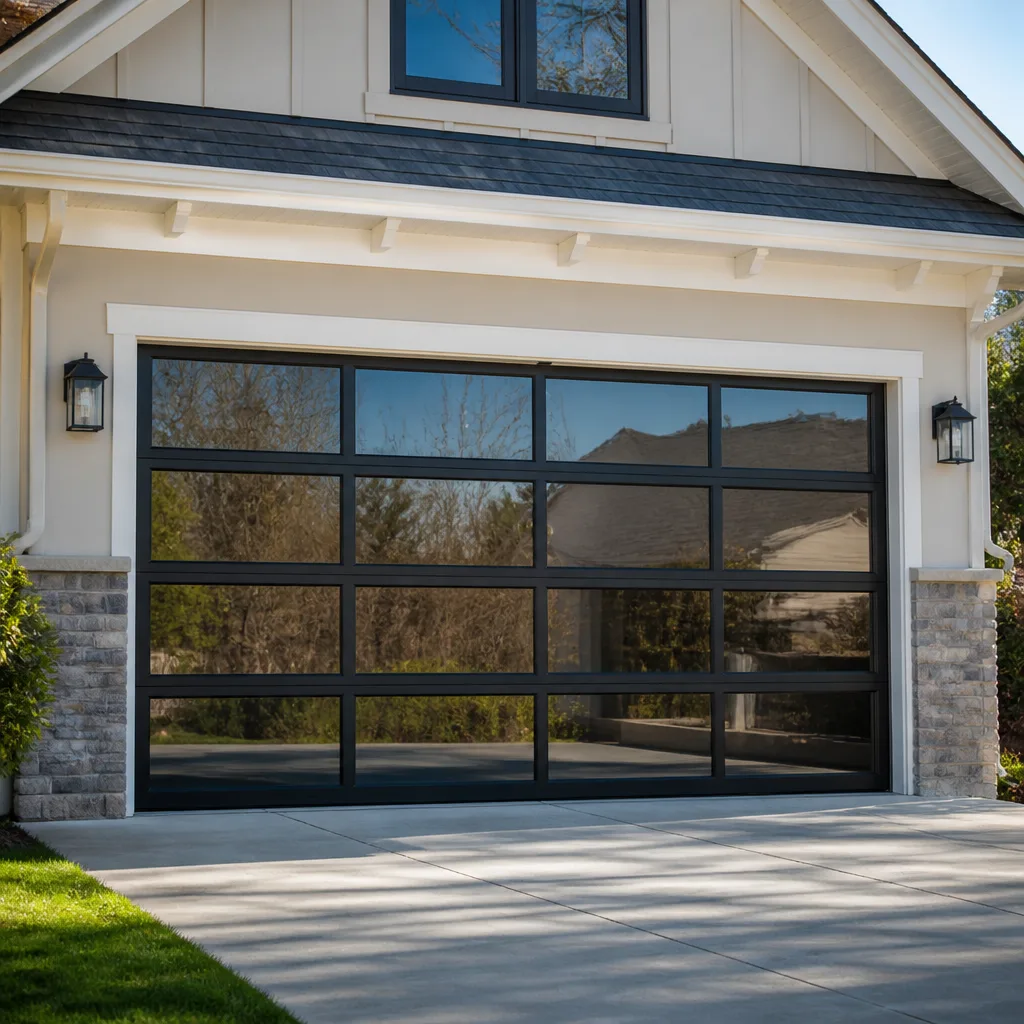 Full-view glass
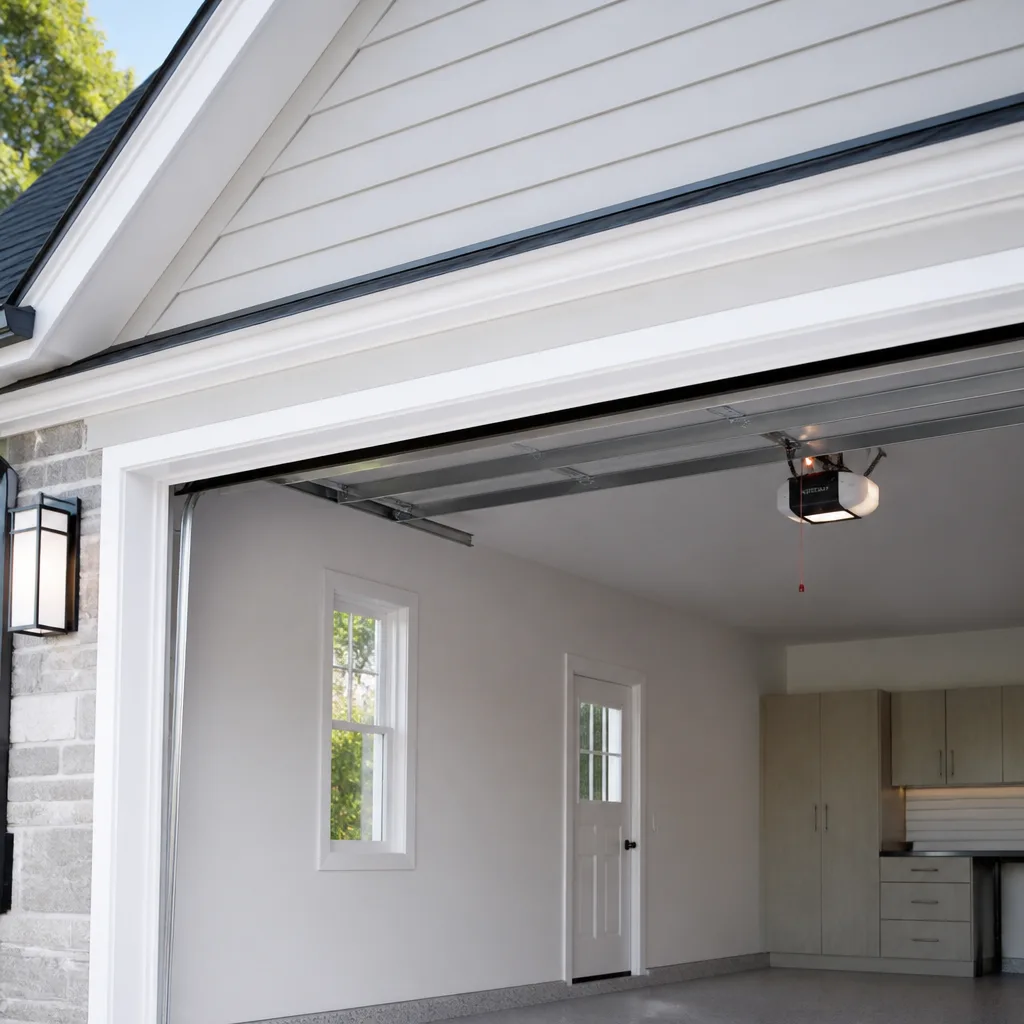 LiftMaster openers
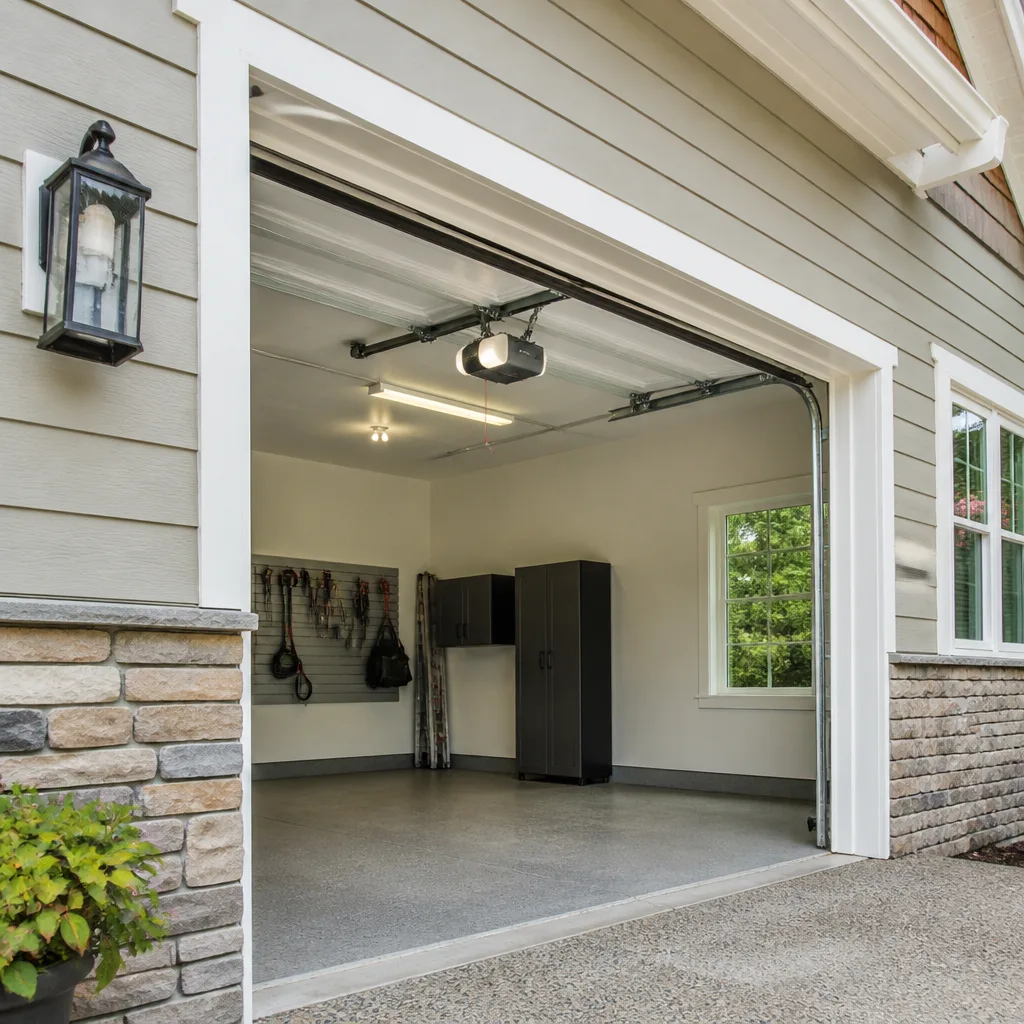 Chamberlain openers
Full 25-point door and opener safety check with every visit - springs, cables, rollers, tracks, and your LiftMaster or Chamberlain opener included
You get a price before we start. It does not change when the pro arrives.
Get your free estimateThe Complete Guide to Garage Doors in East New York
Most garage door guides are written for a three-car suburban driveway in Phoenix. If your garage opens onto a narrow East New York alley, a shared driveway off Jamaica Avenue, or a tight attached row garage near Broadway Junction, that advice is useless. Brooklyn garages are squeezed, older, and often bearing a century of weather and traffic. Door weight, clearance, security, and how the whole system fails are different here. In this guide you’ll learn how East New York’s housing stock shapes what door and opener you should pick, how to spot the real problem in a failing door, how to tell an accountable local company from a national call center, and what a realistic project costs.
Quick Answer
A garage door in East New York is a mechanical system – springs, cables, tracks, rollers, and an opener – bolted to a specific building. The most common failures are broken torsion springs, worn cables, and opener logic boards, not the door panels themselves. Repair typically runs $150 – $850 depending on the component. A full door replacement ranges from $1,400 – $4,500 installed. The single biggest factor that separates a good East New York garage door project from a bad one is getting a written estimate in advance and choosing a company that actually services your brand.
Styles & brands we work with
- Raised-panel steel
- Carriage house
- Modern flush
- Full-view glass
- LiftMaster openers
- Chamberlain openers
Table of Contents
- How East New York’s Housing Stock Shapes Your Garage Door
- Springs, Cables, Openers, Panels, Tracks: What’s Actually Broken?
- Security in Brooklyn: What Specs Actually Matter
- How to Tell a Real Local Company From a Lead Generator
- What Garage Door Work Costs in East New York
- Choosing a Door for a Tight East New York Driveway
- How Brooklyn Winters and Summers Wear Out Doors
- Documentation, Permits, and What to Ask
How East New York’s Housing Stock Shapes Your Garage Door
The garages of East New York were not built to a single template. A block in Cypress Hills looks different from a block near New Lots Avenue, which looks different again from the low-density stretches toward Spring Creek. The attached row garages and small detached units built mostly between the 1950s and the 1980s share a few constraints that affect every door decision.
First, the openings are narrow. Many East New York garages were rough-framed for a single-car, a builder-grade unit that measured roughly 7 feet wide and 6.5 to 7 feet high. Today’s standard single door is often 8 or 9 feet wide. Some homes have the room; many don’t. If the rough opening is what it was in 1962, you’re either choosing a specialty size or you’re widening the frame – a structural job, not a door swap.
Second, headroom matters. Low-clearance installations are common in East New York where a garage sits under a habitable room or has a shallow box above the door. Standard torsion springs need about 12 inches of headroom above the door; some require more. If the ceiling is low, the installation moves to a low-headroom setup or a different spring system. This is a physical constraint you can’t design around by picking a nicer-looking door.
Third, the weatherproofing between the garage and the house is often compromised. Many attached garages here share a wall with the living space, and the original fire-rated door between them and the weatherstripping around the main door have both aged out. Replacing weatherstripping, threshold seals and the bottom rubber is inexpensive relative to the door and makes an outsized difference to drafts and street noise.
- Rough opening width: often 7 ft in older East New York row garages, 8-9 ft in newer builds
- Ceiling height: frequently low-clearance; measure headroom before door selection
- Driveway depth: often shallow, pinch points at the fence line and curb cut
- Shared walls: attached garages need sealing done properly, not just “close enough”
Springs, Cables, Openers, Panels, Tracks: What’s Actually Broken?
Homeowners often describe the symptom – “the door is stuck” or “it makes a terrible noise” – and guess at the part. In practice, the failing component almost always reveals itself through a specific, repeatable set of clues. Here’s how we think through each one in the field.
Torsion springs
The torsion spring is the part that lifts the door’s weight. When it snaps, you usually hear it. The door becomes extremely heavy and may drop if the opener attempts to lift it. Never try to raise a door with a broken spring by hand or by operating the opener repeatedly – that’s when the panel cracks, or worse. A spring is under extreme tension and replacing it is a job for someone with the right winding bars and training. The spring is also the most common failing part in East New York doors past the ten-year mark.
Cables
Cables run from the spring assembly to the bottom corner brackets and they’re equally dangerous once they start to fray. Frayed or slack cables are a “stop using the door” signal. A snapped cable means the door is hanging by one side and cannot be operated safely.
Openers
The opener is the motor and logic. A door that shoots up and won’t go down, or runs a few inches then reverses, is often an opener problem – a limit-switch setting, safety sensor issue, or a failing control board. A door that hums but doesn’t move could be a stripped gear inside the opener or a door that’s binding on the tracks. Diagnosis matters more than brand marketing here: the technician should test the opener, the safety reverse, and the door balance before deciding.
Panels, tracks, rollers, hinges
A dented or rusted panel can sometimes be replaced individually – a big savings versus a whole door. A bent track can usually be straightened or replaced as a unit. Rollers and hinges are cheap parts that quietly make a door noisy because they wear flat or seize. This is the layer where “the right fix, not just a quick patch” applies: someone has to actually diagnose the noise and bind, not just spray lubricant and leave.
Security in Brooklyn: What Specs Actually Matter
Garage door security in a dense urban market like East New York is not a matter of buying a bigger lock. It’s about eliminating the mechanisms an opportunistic thief can actually exploit: lifting the bottom edge, prying a flexible panel, defeating a weak latch, or using a remote code that never rolled. Here are the specs that genuinely matter.
- Automatic safety reverse with photo-eye sensors. Modern openers use an infra-red beam across the opening. If either sensor is misaligned, the door won’t close – a common failure. Good openers from LiftMaster, Chamberlain and Genie all support this. The security angle is that an opener with an old single-code remote is far easier to defeat than one with rolling-code technology.
- Rolling code remotes. Every press of the button generates a new code. Old fixed-code systems can be cloned with cheap hardware. Ask what your opener uses.
- Anti-lift brackets and a deadbolt-style manual latch inside. The inside latch matters for doors on alleys and shared driveways. It’s a simple mechanical safeguard, and it’s often missing on older installs.
- Rigid or reinforced panels at the bottom third. A flimsy single-skin aluminum panel can be pulled up at the bottom seam. A steel backer, a reinforced strut, or a heavier-gauge panel makes that impractical.
- Locking bar and internal slide bolt with a hardened latch. When you’re away, the door doesn’t rely on the opener’s motor to prevent lifting. A well-fitted slide bolt near the center of the bottom section is cheap insurance.
For East New York homes where the garage opens onto a public alley or semipublic sidewalk, these features are more relevant than R-value or insulation. Insulation is nice for a garage used as a workspace. Security hardware is what keeps the garage doing its job as a garage. Door manufacturers such as Clopay and Amarr both produce panels that can be specified with reinforced struts – worth asking about explicitly. For more on upgrading security while repairing a door, see our garage door repair page.
How to Tell a Real Local Company From a Lead Generator
This is where East New York garage door customers get burned most often. A search for “garage door repair near me” can return a national directory that collects your phone number and sells it to an independent contractor who may or may not have ever worked in Brooklyn. You call one number, a stranger calls you back from a different area code, and you have no way of knowing who is actually showing up.
There’s a simple test. Ask these questions on the phone, before anyone is dispatched:
- Which brands do you service? A real garage door specialist will list them, quickly and specifically. If the answer is “all brands,” that’s a tell. We work on LiftMaster, Chamberlain, Genie, Clopay, Amarr, Wayne Dalton, Craftsman and Raynor because those are the eight manufacturers we’ve trained on.
- Do you do spring repairs in-house or subcontract? A lead-generator has no choice but to subcontract. A real company handles it directly.
- Will I get a written estimate before work starts? If the answer is “we’ll see when we get there,” that’s the moment to hang up.
- Do you handle installation as well as repair? A full-service company can help with a repair today and a replacement in the spring. A repair-only outfit disappears when it’s time to buy a door.
- Are you licensed and insured as your state requires? The local pro who does the work should be able to answer that.
A good sign: someone who can talk about your specific opener’s model number or the age of your door and asks about clearances before quoting. That conversation costs nothing and tells you everything.
What Garage Door Work Costs in East New York
Pricing varies by door size, opener model, panel condition and how accessible the garage actually is. The numbers below are typical for the East New York market and are estimates. Your written estimate is the actual price, and it’s set before any work begins – so nobody picks up a tool until you’ve agreed to the number.
| Service level | Typical range | What’s included |
|---|---|---|
| Basic diagnostic + adjustment | $100 – $180 | Balance, track, limit switch, sensor alignment, lubrication |
| Opener repair (single unit) | $150 – $350 | Logic board or gear replacement, remotes reprogrammed |
| Single spring replacement (one spring) | $180 – $340 | One torsion spring, wound and balanced |
| Matched spring pair | $360 – $680 | Both springs on the same shaft, replaced together |
| Cable replacement | $150 – $300 | Pair of lift cables, drums checked |
| Panel replacement (single section) | $350 – $650 | One panel + hardware realignment |
| Track/roller overhaul | $250 – $500 | Straighten or replace track, new rollers and hinges |
| Full door installation (single car) | $1,400 – $3,200 | New door, tracks, springs, hardware, hauled away |
| Full door installation (double car) | $2,200 – $4,500 | As above, wider opening, heavier spring setup |
| Opener replacement with new unit | $300 – $650 + door | LiftMaster, Chamberlain, Genie or Craftsman opener installed |
Two notes on this table. First, a matched pair is standard practice when both springs were installed together – replacing one and leaving the other a few winds from failing rarely makes sense. Second, full installation pricing depends on whether the rough opening needs widening and whether the door is a stock size or custom. A custom-size door, which the tighter East New York openings sometimes force, sits at the higher end. For repair work that fits your situation, our garage door opener repair page covers the opener side in detail.
Choosing a Door for a Tight East New York Driveway
A new door on a new-driveway lot in a suburban market is largely a design choice. In East New York, it’s a fit-and-measurement problem before it’s a style problem. Before picking a brand, we walk the site and note four things.
- Rough opening. Measure width and height in three places each, since old frames aren’t square. Compare against standard door sizes before assuming a stock unit fits.
- Headroom and backroom. Headroom is the space above the door’s torsion assembly. Backroom is how far the door’s horizontal track can extend when open. In a shallow garage, low-clearance track and a low-headroom spring system are what make a standard door possible at all.
- Driveway pitch and approach. A steeply sloped or short driveway affects the door’s bottom seal and how the threshold weatherstrips. It also affects whether the door can clear a parked car without contact.
- Wall and header condition. The door hangs its whole weight from a header and jamb. In an older East New York garage, rot and rust at the mounting points should be caught and repaired before the new door goes in.
On the brand side, Clopay and Amarr are the most common choices for residential installs in this market, with Wayne Dalton a strong option for homes that need a low-clearance setup. All three manufacture doors in standard single-car and double-car sizes, and all offer models that can be fitted out with struts for extra rigidity. For openers, LiftMaster and Chamberlain dominate residential Brooklyn installs, and both have models specifically designed for low-clearance doors. See our garage door installation page for how installation projects are scoped and what measurements are taken before an order is placed.
One thing worth saying plainly: a new door needs a free measure and a written quote before installation. This is not a same-day purchase on most East New York projects because sizing, panel design and the possibility of custom widths all deserve a look. Ask for the measure, then compare like-for-like.
How Brooklyn Winters and Summers Wear Out Doors
East New York sits in the coastal Northeast climate zone. That means cold winters, hot humid summers, and salt-laden snowmelt tracked off the street onto the door and tracks. Each season does something specific to a garage door system.
- Hard freeze cycles. The freeze-thaw cycle that happens repeatedly through January and February can crack or split a wooden panel and can freeze a bottom seal to the concrete floor, tearing it when the door opens. Lubricating rollers and hinges before the first freeze helps.
- Snowmelt and road salt tracked onto tracks. The track is where grit and dissolved salt settle. That accelerates rust on steel rollers and degrades the door’s balance faster than the seasons would otherwise.
- Summer humidity and heat. Wood panels swell, metal panels expand, and grease on tracks thins out. A door that was fine in May can start squealing in July because the lubrication schedule fell behind.
- Wind and storm loads. Brooklyn’s summer thunderstorms put lateral stress on a door hung from old jambs. Any loose hinge or crack in the jamb compounds the load. If a door has visible movement in the wind, it warrants inspection.
In practice, a door in East New York should get a balance-and-lube check about once a year – ideally in late fall, before the frost sets in. That small preventive step is what keeps springs lasting and keeps the noise down. When something has already gone wrong, our garage door repair East New York page covers the range of problems and how we respond.
Documentation, Permits, and What to Ask
Garage door work is not usually the kind of thing that lands in a permit hearing, but it’s not always permit-free either. Whether a specific installation needs a permit depends on where you are and what exactly is being done. Our guidance is simple: if a new door requires widening a rough opening, changing the header, or modifying the structure around the door, call the NYC Department of Buildings or your local building department directly and ask. The answer is quick and removes all ambiguity.
For straightforward replacement – same opening, same rough dimensions, same header – most installations proceed without structural permits. A written estimate and signed agreement should cover:
- Door brand, model and size (Clopay, Amarr or Wayne Dalton, for example)
- Opener brand and model if included (LiftMaster, Chamberlain, Genie or Craftsman)
- Spring type and size (torsion or extension, wire gauge, length)
- Hardware package and what’s covered by warranty
- Whether haul-away of the old door is included
- Timeline from order to installation
Ask for that in writing and compare it against any other quote. Same scope in, same scope out – that’s how you compare prices fairly.
Common Mistakes to Avoid
- Assuming a standard-size door will fit an older East New York opening. The rough opening in a 1960s row garage is often 7 feet wide when standard single doors are 8-9 feet. Measure first, buy second.
- Running the opener with a broken spring. This is the most expensive mistake a homeowner can make. A door without spring tension weighs far more than the opener was built to lift, and running it can crack a panel or strip the opener’s gear set. Stop using the door and have it looked at.
- Dismissing a corroded track or frayed cable as “still works.” Both are warning signs. A snapped cable at speed is a serious safety event, not a minor inconvenience.
- Buying an opener on price alone. An opener is a system element – it has to match the door’s weight and the safety reverse has to be tested and tuned after installation. A cheap opener installed without tuning is worse than a good opener installed well.
- Calling a national search result instead of a local service. You don’t want to be working with a dispatch center that has no knowledge of your door. Ask about brands and spring capability on the phone before committing.
- Skipping the written estimate. Any garage door company that won’t put the price in writing before work begins is a risk in this trade. Get it in writing and keep it.
- Not testing the safety reverse after every repair or install. A door that closes on an object – a toy, a bicycle, a person – is a danger. Test the reverse by placing an object in the door’s path and confirming it backs off. This applies to every door in East New York, urban or not.
See the difference
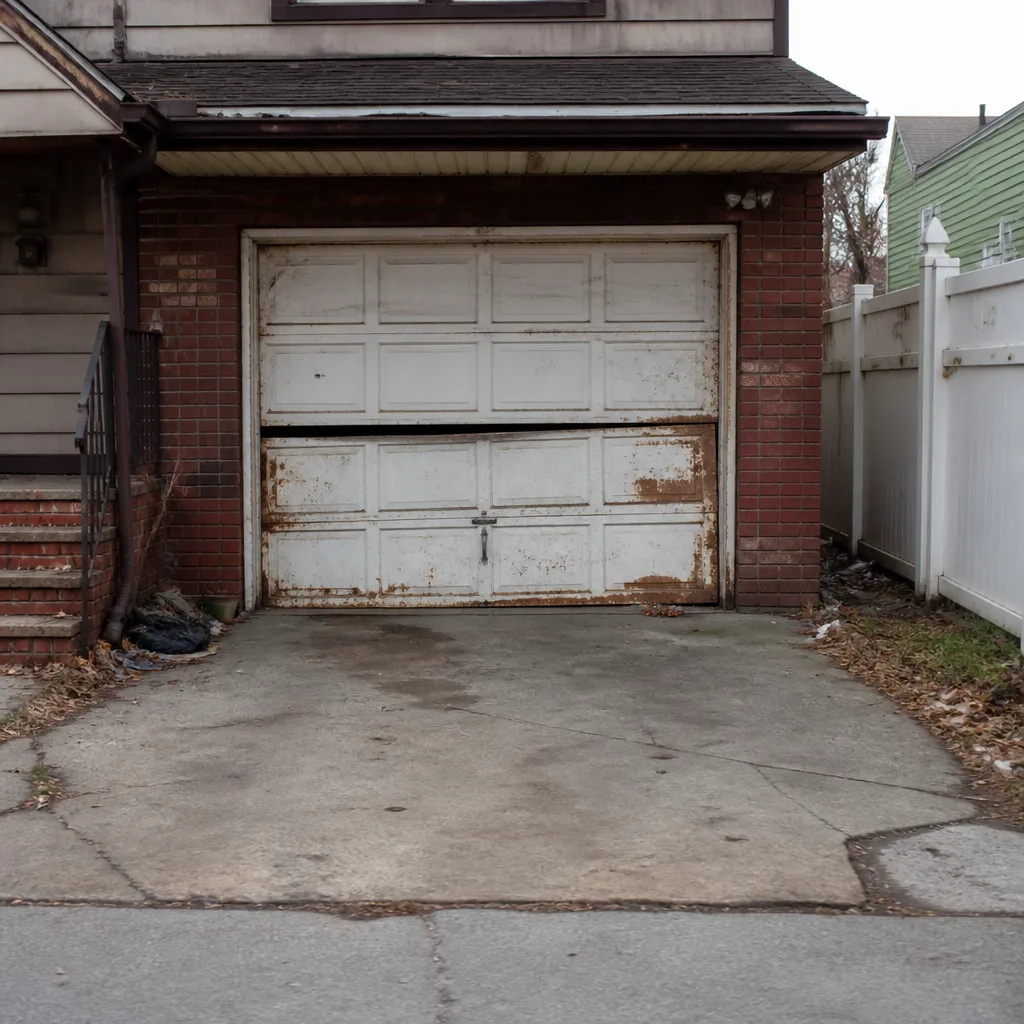 Before
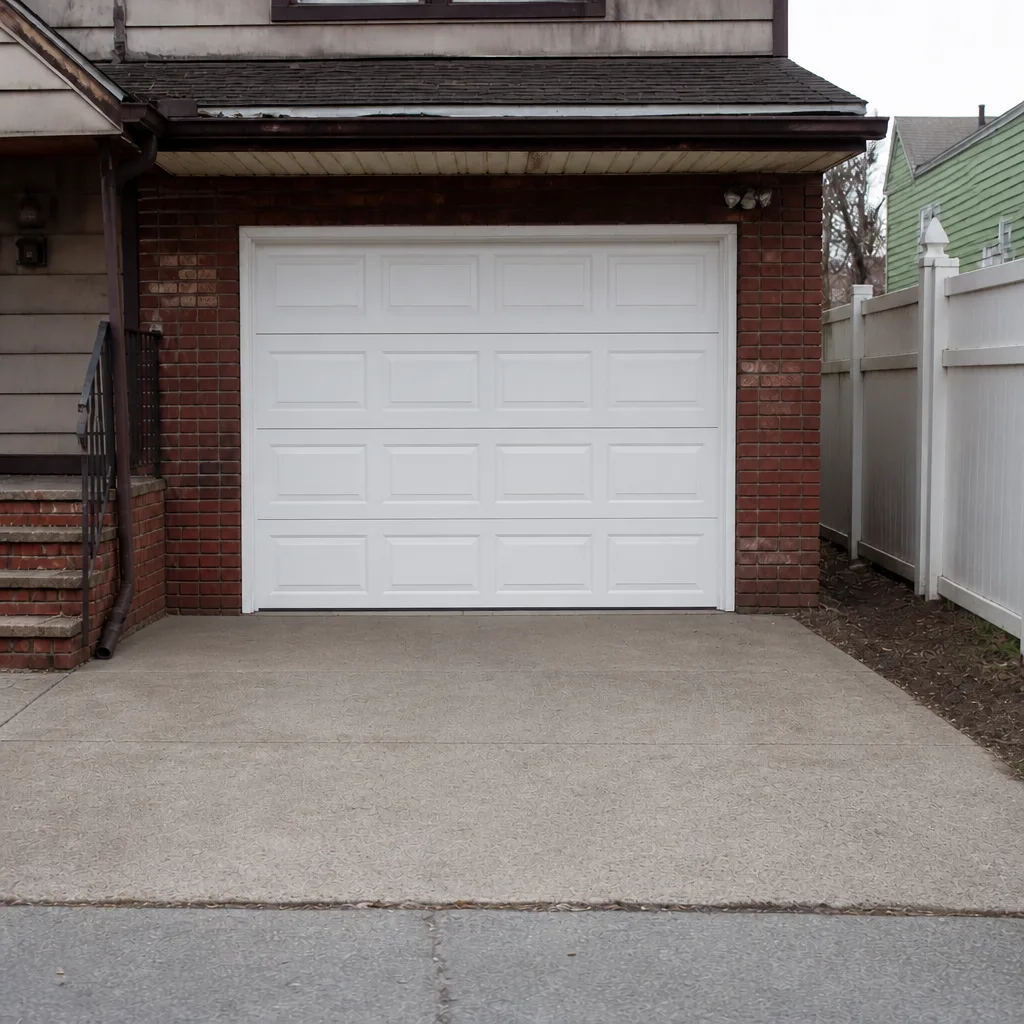 After
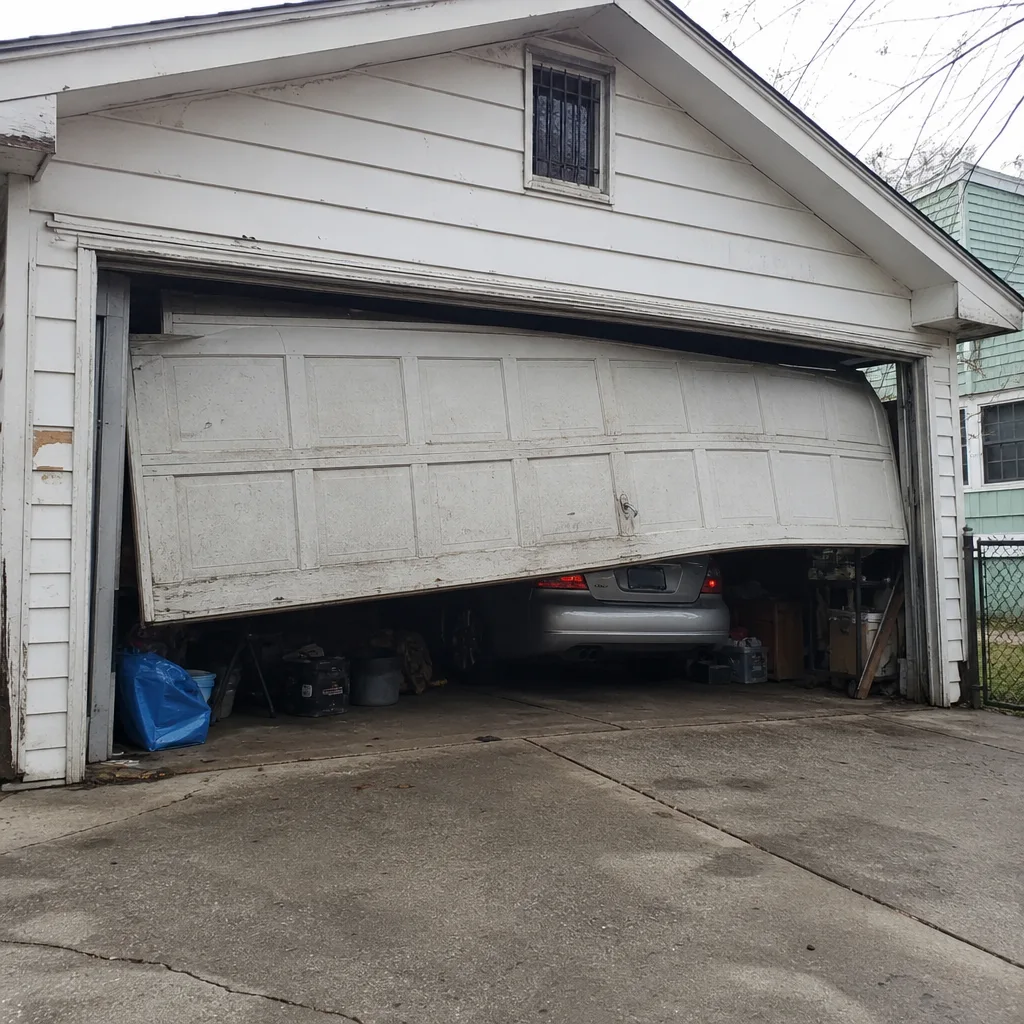 Before
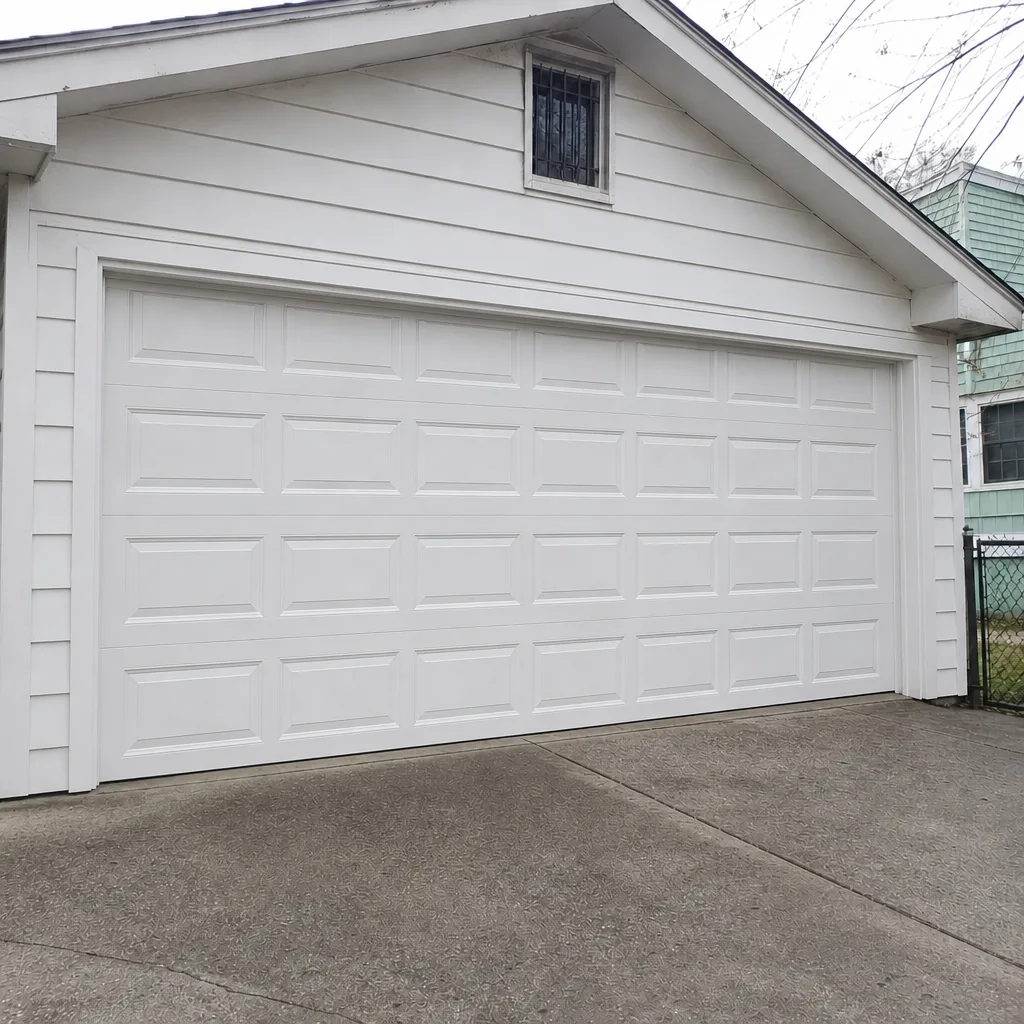 After
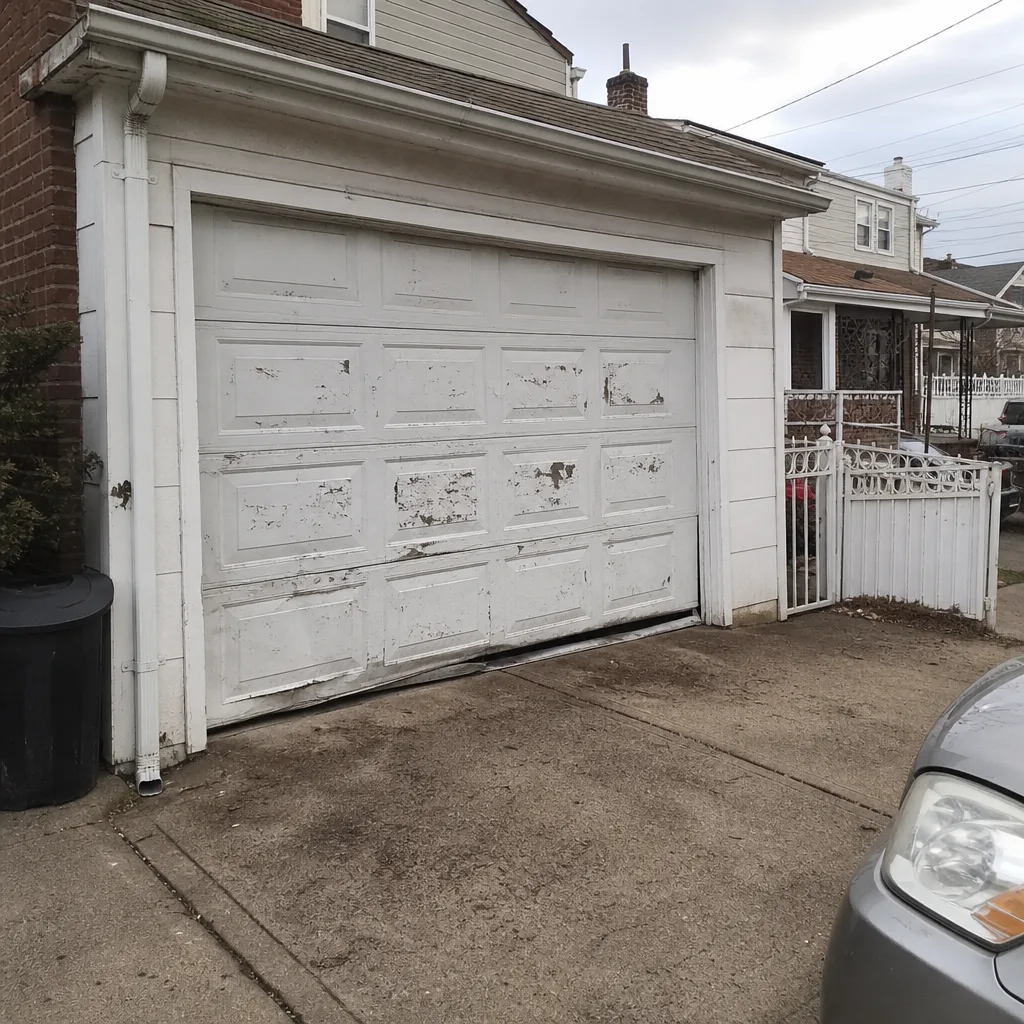 Before
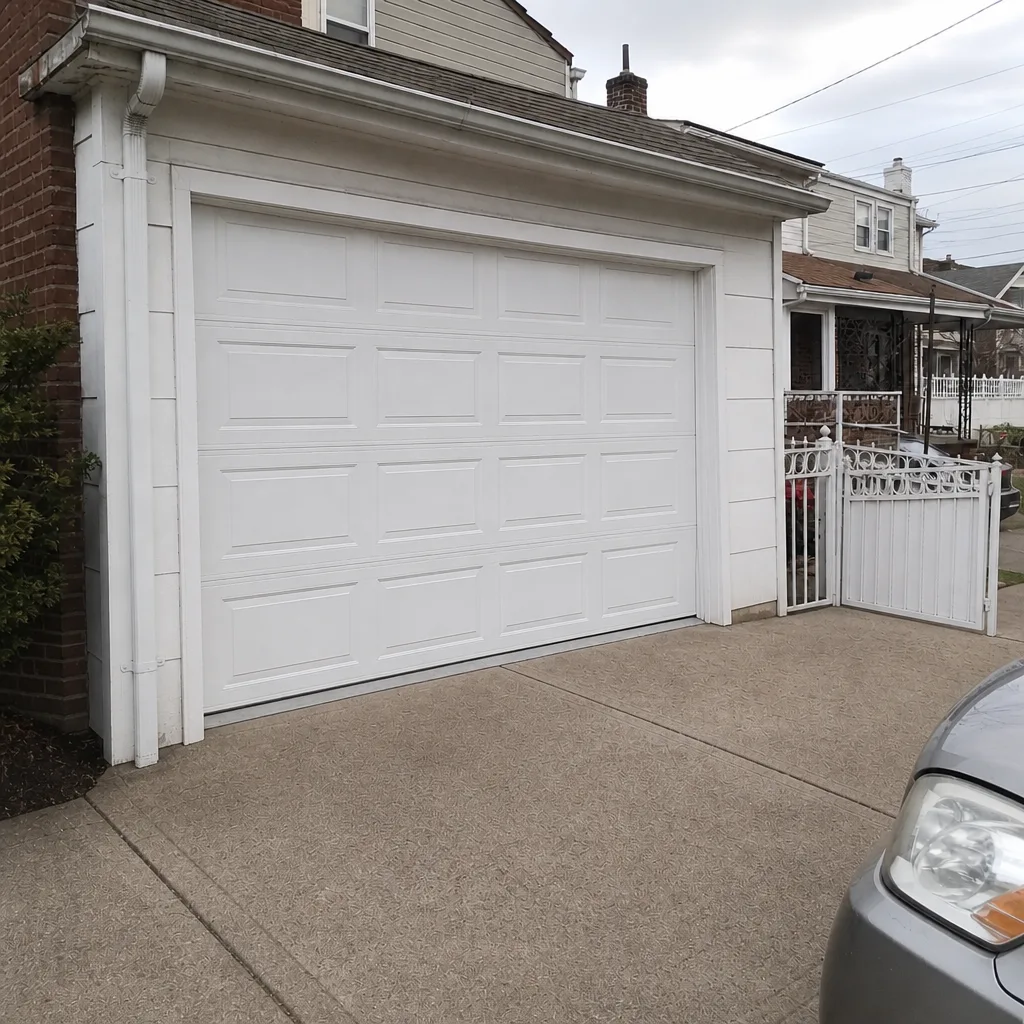 After
When to Call a Professional
Any of the following should prompt a call rather than a DIY attempt: a broken spring (visible gap in the coil, or the door suddenly very heavy), a snapped or frayed cable, a door that slams down instead of lowering smoothly, an opener that runs but doesn’t move the door, a door that reverses for no reason, a track that’s visibly bent, or any door that’s become difficult to open by hand when disconnected from the opener. Springs and cables are the highest-risk components in this trade and demand trained handling, correct tooling and respect. Garage Door Repair East New York offers free estimates in East New York – call (877) 492-2281. We answer 24/7. Fast dispatch from 7am to 7pm, Sunday through Friday, with emergency service for doors that won’t open or won’t stay closed. Our technicians have up to 15 years of experience and the price is quoted and agreed before any work starts.
Frequently Asked Questions
Typical East New York garage door repair costs run $150 – $350 for an opener problem, $180 – $340 for a single spring replacement, $360 – $680 for a matched spring pair, and $250 – $500 for a track and roller overhaul. The price is set by the written estimate, quoted and agreed before any work starts. Call (877) 492-2281 for an exact quote – estimates are free.
Same-day service is available for emergency situations – a door that won’t open or won’t close, a snapped spring, or a broken cable leaving the garage unsecured. Call (877) 492-2281. We answer 24/7. Fast dispatch from 7am to 7pm, Sunday through Friday. A call outside dispatch hours is booked into the next opening, Sunday through Friday, 7am to 7pm.
No – the written estimate is the price. Once the technician inspects the door, they confirm the scope and quote the work in writing before any tool is picked up. If something unexpected changes the scope, such as a hidden rotted header, we’ll explain it and get your agreement before proceeding. Call (877) 492-2281 for a free estimate.
The local pro performing the work is licensed and insured as their state requires, and we only connect you with vetted local professionals. If you want to verify the specific credentials before work starts, ask on the call. Call (877) 492-2281 to get started.
We’re trained on eight major manufacturers: LiftMaster, Chamberlain, Genie, Clopay, Amarr, Wayne Dalton, Craftsman, and Raynor. That covers the openers and door panels on virtually every East New York residential install. When you call, tell us the brand and model if you can see it – it speeds up the diagnosis. Call (877) 492-2281.
For a same-size replacement with no structural changes, a permit is usually not required in NYC. If the project involves widening the rough opening or modifying the header, ask the NYC Department of Buildings directly. We can tell you what our side of the scope looks like, but the building department has the final word on permits. Call (877) 492-2281 with any questions on the work itself.
The Bottom Line
East New York garage doors are simple systems under a lot of stress. Tight clearances, narrow driveways, aging attached garages and harsh winters all conspire against the same set of components – springs, cables, tracks and openers. The best defense is a yearly balance-and-lube and a written estimate before any repair. When something fails, don’t run the opener with a broken spring and don’t call a national lead-generator. Call a company that can name your brand and explain your specific problem. For a free estimate in East New York, call (877) 492-2281. We answer 24/7. Fast dispatch from 7am to 7pm.
Written by the team at Garage Door Repair East New York.