
Last updated November 21, 2026
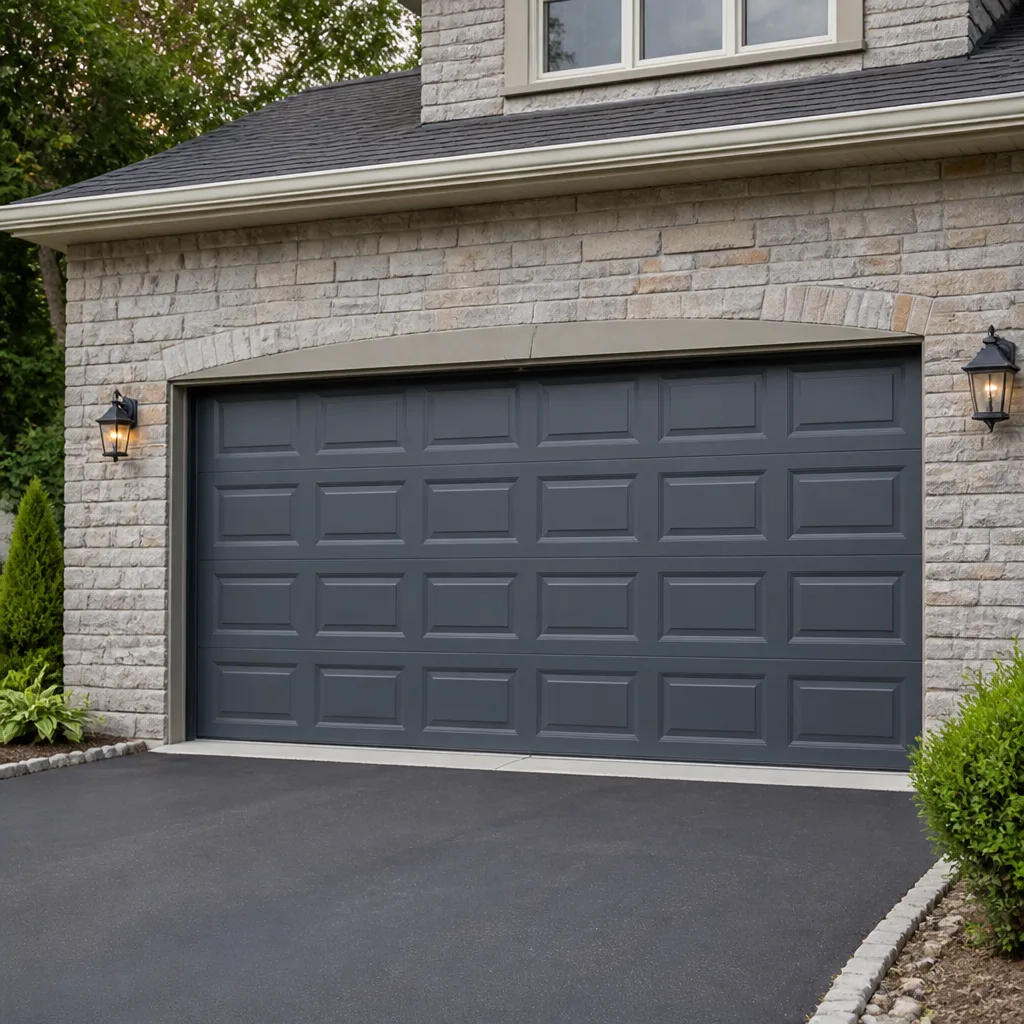 Raised-panel steel
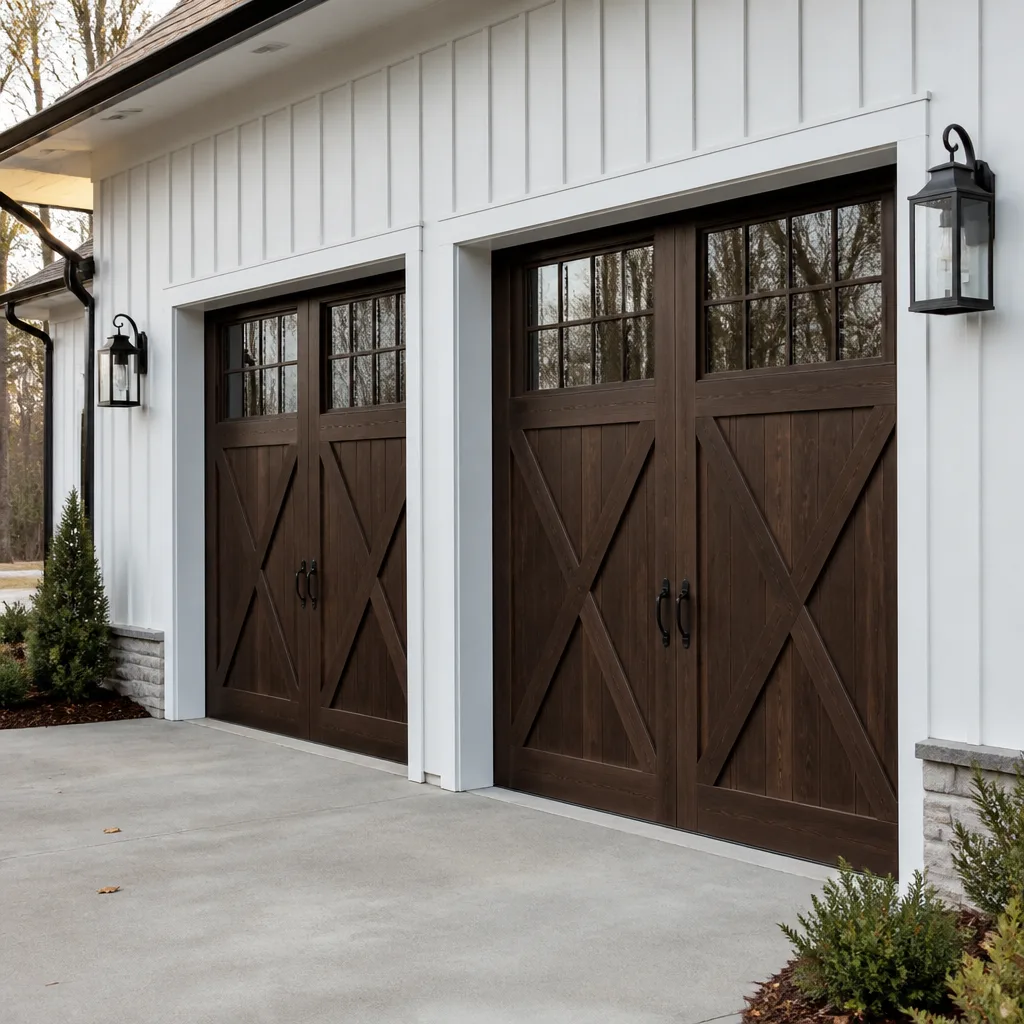 Carriage house
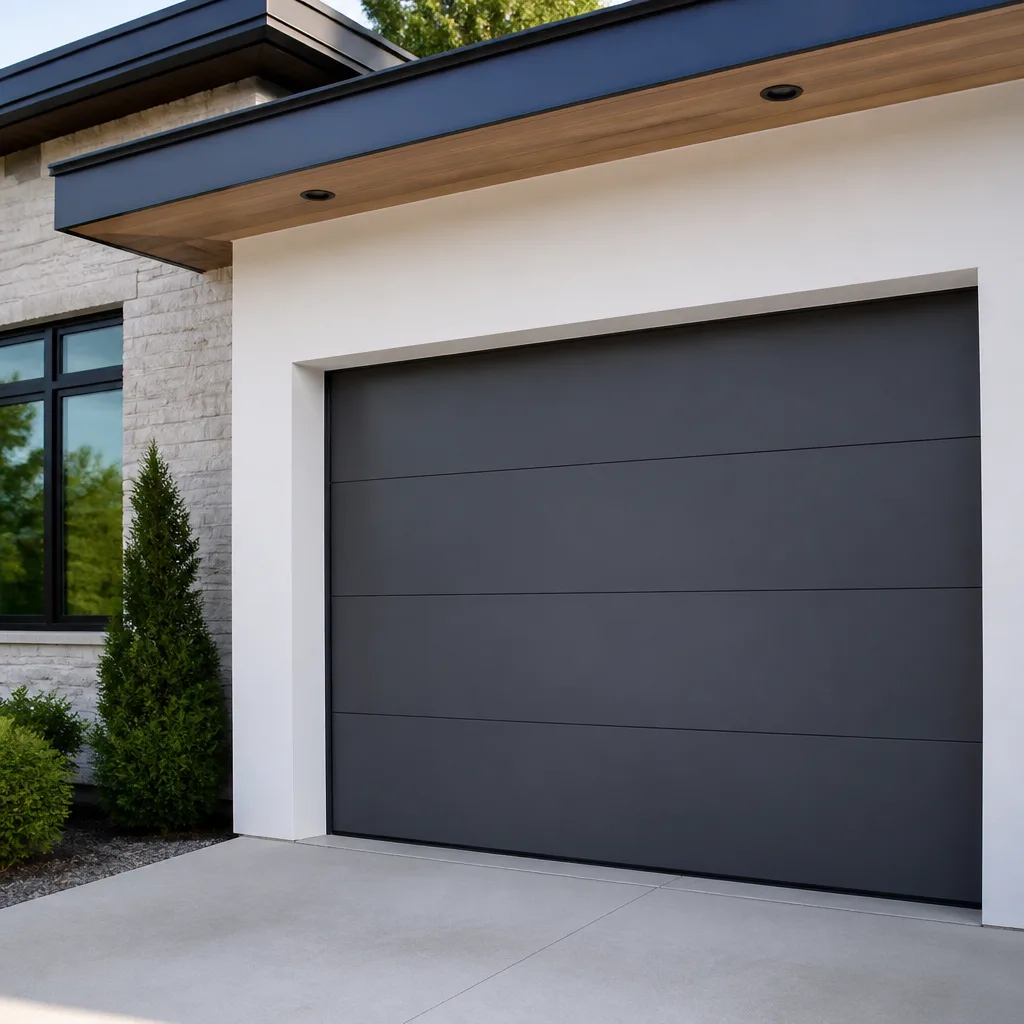 Modern flush
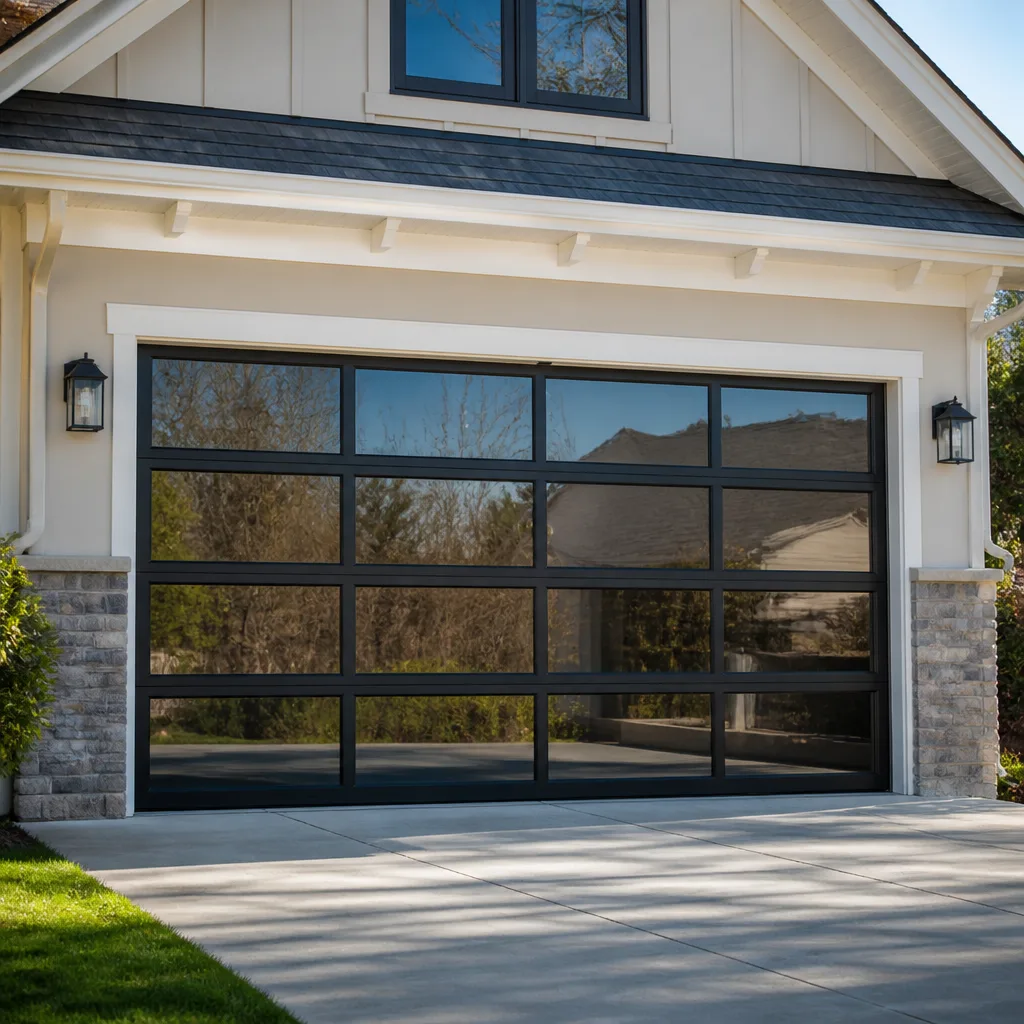 Full-view glass
 LiftMaster openers
 Chamberlain openers
Full 25-point door and opener safety check with every visit - springs, cables, rollers, tracks, and your LiftMaster or Chamberlain opener included
You get a price before we start. It does not change when the pro arrives.
Get your free estimateGarage Door Repair Troubleshooting in East New York: Common Problems and How to Fix Them
A garage door that reverses before it reaches the floor and a door that won’t budge at all look like two different emergencies. But they share a root cause more often than not, and confusing the two is how homeowners end up paying for opener parts when the real problem was a torsion spring, a misaligned track, or a safety sensor knocked out of line. We’ve seen this pattern across East New York and it almost always starts the same way: a guess made before anyone ran a simple test. This guide teaches you to read your door’s symptoms like a diagnostic chart, so you can tell whether you’re facing a 15-minute adjustment or a repair that needs a trained technician. We cover the symptom-to-cause map, the two tests worth running before you call anyone, what the seasonal temperature swings in East New York do to springs and tracks, and which fixes are safe to try yourself.
Quick Answer
Most garage door problems come down to five mechanical categories: spring tension, cable wear or failure, track alignment, roller condition, and opener or sensor faults. A door that reverses mid-travel, won’t open while the motor still runs, or opens unevenly points to a specific component in one of those categories. The fastest way to know where you stand is to run two tests before you call anyone: the manual disconnect test and the balance test. If either comes back bad, you need a technician on-site, not a guess.
Styles & brands we work with
- Raised-panel steel
- Carriage house
- Modern flush
- Full-view glass
- LiftMaster openers
- Chamberlain openers
Table of Contents
- Symptom-to-Cause Matrix: What Your Door Is Telling You
- How East New York Temperature Swings Mess With Springs and Tracks
- The Two Tests to Run Before You Call a Technician
- Snapped Cable vs. Cable Off the Drum: Why the Difference Matters
- Which Fixes Are Safe DIY and Which Need a Technician
- Spring Problems: The Repair That Should Never Be a DIY Job
- When It’s Really the Opener, Not the Door
- What Repairs Typically Cost in East New York
Symptom-to-Cause Matrix: What Your Door Is Telling You
A garage door is a balanced system. Springs carry most of the weight, cables connect the door to the spring assembly, tracks guide the panels, rollers move along the tracks, and the opener supplies nothing more than a nudge. When something breaks, the door tells you which part failed through its specific behavior. Here’s how to read the signal.
| Symptom | Likely Cause | What It Means |
|---|---|---|
| Door reverses before hitting the floor | Safety sensor obstruction or misalignment | Usually a sensor issue, not a mechanical failure. Check the sensor lights first. |
| Motor runs but door doesn’t move | Snapped spring, broken cable, or manual release is engaged | Mechanical, not electrical. The opener is fine; the door isn’t. |
| Door opens unevenly, one side lags | Cable off the drum, track out of alignment, or worn roller | Cable or track issue. Don’t keep running the opener – it can make it worse. |
| Door is very heavy to lift by hand | Weak or broken spring | The spring has failed. This is not a DIY repair. |
| Loud bang, door drops partway | Snapped torsion spring | The spring snapped. Do not operate the door. Call a technician. |
| Opener hums, clicks, or does nothing | Opener fault – logic board, capacitor, or drive gear | Electrical. Diagnose the opener itself. |
| Door wobbles on one side, rollers look crooked | Bent track or worn rollers | Track alignment or roller replacement is needed. |
| Sensor light blinks constantly | Misaligned sensor or dusty lens | The opener senses an obstruction. Clean and realign first. |
Read this like a chart: the symptom narrows you to a category, and the category tells you whether the fix is an adjustment, a part, or a technician. A door that reverses consistently is almost always a sensor problem, even when it feels like the door is “broken.” A door that won’t move while the motor still runs is almost always a mechanical failure. The two look similar from the driver’s seat but require very different repairs.
How East New York Temperature Swings Mess With Springs and Tracks
East New York sees real swings between seasons. Cold winters and hot summers push the metal in a garage door system through constant expansion and contraction, and that stress shows up in predictable ways. Torsion springs lose tension in cold weather and can snap more easily when the steel gets brittle. In summer heat, the same springs can over-tension as the metal expands, and track alignment shifts as the house itself moves with the temperature.
What homeowners often describe as “the opener is failing” in the first cold snap of the year is usually a spring that lost tension in the cold. The opener keeps running, the door doesn’t respond, and it looks like an electrical problem. It almost never is. The same thing happens in reverse in the heat: a door that ran fine all winter starts dragging or catching because the track has expanded and drifted out of alignment by a fraction of an inch. That’s enough to stall a roller.
The East New York housing stock adds to this. Many homes here have older wooden garage doors that absorb moisture and change weight with the seasons, and many have original opener assemblies from installations that have already cycled thousands of times. Hardware at the end of its service life is far less forgiving of a seasonal temperature swing than new hardware. When we walk into a garage in East New York and the door “worked fine last week,” we look at what the weather did before we look at the opener.
- Cold snaps: Springs lose tension, steel gets brittle, snapping risk rises.
- Summer heat: Metal expands, tracks drift out of alignment, rollers bind.
- Wooden doors: Moisture changes weight, so a marginal spring or opener can fail.
- Old hardware: Less forgiving of temperature swings than new systems.
The Two Tests to Run Before You Call a Technician
Two simple tests tell you most of what a technician would need five minutes to figure out. Run them before you pick up the phone. They’re free, they’re safe, and they point directly at the problem.
Test 1: The Manual Disconnect Test
- Stand inside the garage with the door fully closed. Pull the manual release cord (usually a red handle hanging from the opener rail) to disconnect the door from the opener.
- Lift the door slowly by hand. It should rise smoothly with steady resistance. If it’s extremely heavy or won’t come up, the spring has failed.
- Push the door back down gently. It should lower with the same smooth resistance. If it drops fast or feels unbalanced, the spring or cable is at fault.
- Reconnect the release by running the opener until it re-engages, or by pulling the door slightly toward the opener.
Test 2: The Balance Test
- With the door disconnected, raise it to roughly waist height and stop. Let go.
- A properly balanced door stays put. It may drift an inch or two – that’s normal.
- If the door falls or rises on its own, the spring tension is off or a spring has failed.
- If the door sags on one side, that points to a cable or track problem, not a spring.
What each result means: if the door fails the manual disconnect test because it’s too heavy, the spring is the culprit. If it fails the balance test by sagging to one side, the cable or track is the culprit. If it passes both tests and the door still won’t work from the remote, the problem is in the opener or sensor assembly, and that’s a different conversation entirely. In our experience, this single distinction saves East New York homeowners from paying for parts they didn’t need.
Snapped Cable vs. Cable Off the Drum: Why the Difference Matters
A snapped cable and a cable that has jumped off the drum look similar – the door won’t move, the cable looks loose, and the whole system seems jammed. But the fixes are completely different, and the danger level isn’t the same. Getting this distinction right is one of the most useful pieces of troubleshooting knowledge you can have.
A snapped cable is broken clean through. It usually happens with a loud bang, and the door often drops partway or hangs unevenly. The door is not safe to operate – moving it can drop it further, damage the panels, or cause injury. A cable that has jumped off the drum is still intact but has come off its winding. It can happen because the door has been lifted while unbalanced, because a drum has worn, or because a spring has failed and the cable has lost tension. The door may still feel like it can move, which is exactly what makes this dangerous.
For either case, do not operate the door. Do not try to rewind the cable or reset it on the drum yourself. A cable under tension carries enough force to cause serious injury. The right move is to disconnect the opener if it’s safe to do so, keep the door in place, and call a technician who can properly release tension before touching the cable. This is a mechanical repair that looks simple in a video and is not simple in a garage. We handle cable repairs in East New York regularly, and we never rush the process – the tension-release step is where injuries happen.
- Snapped cable: loud bang, door may drop partway, door is not safe to operate.
- Cable off the drum: no bang, cable still intact but unwound, door may still feel movable – which is dangerous.
- Both cases: stop operating the door, call a technician, do not try to reset or rewind the cable.
Which Fixes Are Safe DIY and Which Need a Technician
Not every repair requires a call. Some are genuinely safe to handle yourself, and knowing which is which saves you time and money. The line is mechanical tension. Anything that involves the spring, the cable, the drum, or a load-bearing adjustment is off-limits for DIY. Anything that is a simple alignment, cleaning, or battery replacement is fine.
Safe DIY:
- Cleaning and realigning safety sensors. Dust, spider webs, and a nudged sensor cause most phantom reverses.
- Replacing the battery in a remote or keypad.
- Lubricating rollers, hinges, and tracks with a garage-door-specific lubricant (not WD-40).
- Wiping down the sensor lenses and checking the LED alignment indicator.
- Resetting the opener after a power interruption by following the opener’s manual.
Needs a technician:
- Any spring work. Torsion springs under load can cause serious injury. Do not attempt.
- Any cable work. Cables under tension can snap and cut. Do not attempt.
- Track realignment when the track is visibly bent or the door is off its hinges.
- Roller replacement when a roller is cracked or the door is sagging on one side.
- Openers that hum, click, or fail to respond after a reset. That’s a logic board or capacitor fault on a LiftMaster, Chamberlain, or Genie unit, and it’s not a homeowner job. We handle those diagnostics through our garage door opener repair service.
One more note on warranties: attempting a spring, cable, or opener repair yourself can void the opener’s warranty if the manufacturer finds evidence of unauthorized work. If your opener is still within its warranty window, that’s one more reason to have a technician handle anything beyond the sensor and battery level.
Spring Problems: The Repair That Should Never Be a DIY Job
Torsion springs store the mechanical energy that lifts your door. A door that weighs a few hundred pounds is balanced by two springs under significant tension, and those springs will release that energy with no warning if they fail or are handled wrong. A snapped spring is loud, dramatic, and dangerous. It’s also the single most common cause of a door that “just stopped working” in East New York.
The reason this is not a DIY repair is simple arithmetic. The tools required to wind and unwind a torsion spring are specific to the job, and the spring is under tension even when it looks like it isn’t. Homeowners who try to change a spring with a pair of adjustable wrenches are the reason emergency rooms see garage door injuries every year. We don’t teach that process here because there’s no safe version of it. The right move when a spring snaps is to stop operating the door, keep the door closed if possible, and call a technician who can release the tension safely, match the spring to the door’s weight, and test the balance afterward.
One pricing clarification worth knowing: a torsion spring is usually replaced one at a time, but when one spring fails, the paired spring is often replaced at the same time because they’ve cycled the same number of times. A matched pair costs about twice the price of a single spring. We quote the pair separately from a single so there are no surprises. If you’re calling for garage door repair and the technician recommends the pair, ask why – the answer should be about cycle count, not about adding to the ticket.
Our technicians have up to 15 years of experience handling spring replacements, and this is one of the jobs we specifically do in-house rather than subcontracting. It’s a technical repair, and it’s one of the most dangerous things in a garage. The right fix, not just a quick patch, means the spring is matched to the door’s weight and the balance test is repeated after the install. Anything less is a patch that will fail again.
When It’s Really the Opener, Not the Door
Once you’ve run the manual disconnect and balance tests and the door still fails to work from the remote, you’re looking at an opener problem, not a door problem. That’s a different diagnostic path, and it’s a category we handle across the major opener brands: LiftMaster, Chamberlain, Genie, and Craftsman. The symptoms tell you which part of the opener is at fault.
- Opener hums but doesn’t move: usually a failed capacitor or stripped drive gear. Common on older units.
- Opener clicks once and stops: a logic board or travel-limit switch fault.
- Remote works only up close: a weak battery or a receiver issue in the opener.
- Door goes down but reverses immediately: sensor alignment, not the opener itself. Clean and realign first.
- Wall button works, remote doesn’t: receiver or remote pair issue. Re-pair the remote per the manual before assuming the opener is dead.
These are worth working through in order because the cheapest fixes come first. A battery replacement or a re-pair is free to try. A logic board or capacitor is not, and that’s the point where a technician diagnoses the system rather than guessing at a symptom. When we look at an opener in East New York, we’re checking the whole assembly: safety sensors, travel limits, force settings, and the drive train. A logic board replacement without a sensor check is a repair that comes back a month later. If you’re not sure which of these you’re dealing with, our garage door opener repair team can run the full diagnostic and tell you exactly what the opener needs.
What Repairs Typically Cost in East New York
Repair pricing in East New York breaks down by the part and the labor, and it’s worth knowing the typical ranges before you call so you can compare a quote to what’s normal. Every job is priced by a written estimate that we give you before any work starts, so the number on the estimate is the number on the invoice. Here are the typical ranges for the most common repairs.
| Repair | Typical Estimated Range | Notes |
|---|---|---|
| Safety sensor realignment or cleaning | $75 – $150 | Often the cheapest fix for a reversing door. |
| Roller replacement | $100 – $200 | Per set, depending on door size. |
| Track realignment | $150 – $300 | Labor-heavy; damaged track adds to the range. |
| Single torsion spring replacement | $180 – $340 | Price is for one spring. A matched pair costs about twice this. |
| Cable replacement | $150 – $300 | Per cable; both cables often replaced together. |
| Opener capacitor or drive gear repair | $150 – $300 | Varies by brand (LiftMaster, Chamberlain, Genie, Craftsman). |
| Opener logic board replacement | $200 – $400 | Part cost varies by opener model. |
These are typical ranges, not quotes. The written estimate sets the final price, and it’s free. If a technician arrives and the problem is different from what you described on the phone, the estimate changes before the work starts, not after. We don’t quote one price and bill another. If you’ve been given a range on a call, treat it as a starting point and ask for the written estimate before anyone picks up a tool. For a full replacement rather than a repair, see our garage door installation page for the full picture on door and opener costs.
Common Mistakes to Avoid
- Trying to fix a spring yourself. This is the most common and most dangerous mistake. Torsion springs are under load even when the door looks dead, and the tools to release tension safely are not household tools. Call a technician.
- Assuming a reversing door is a mechanical failure. A door that reverses consistently is almost always a safety sensor issue. Clean the lenses and check the alignment indicator before you book a repair call.
- Running the opener on an unbalanced door. If the door is heavy or sagging to one side, the opener will keep trying to lift it and burn out its gear or capacitor. Disconnect the door and call a technician.
- Using WD-40 on the rollers and tracks. It’s a solvent, not a lubricant, and it attracts dust that makes the track worse. Use a garage-door-specific lubricant.
- Ignoring a bent track in East New York homes. A track that’s drifted out of alignment after a seasonal temperature swing will grind through rollers. Getting it realigned before the rollers fail is cheaper than replacing the whole set.
- Assuming the opener is dead when it’s not. A battery, a mis-paired remote, or a misaligned sensor all look like a dead opener. Work through the cheap fixes before booking an opener repair.
- Accepting a verbal price and skipping the written estimate. In East New York, the written estimate is what protects you. Ask for it before any work starts, and ask for the pair price separately from the single-spring price if a spring is involved.
See the difference
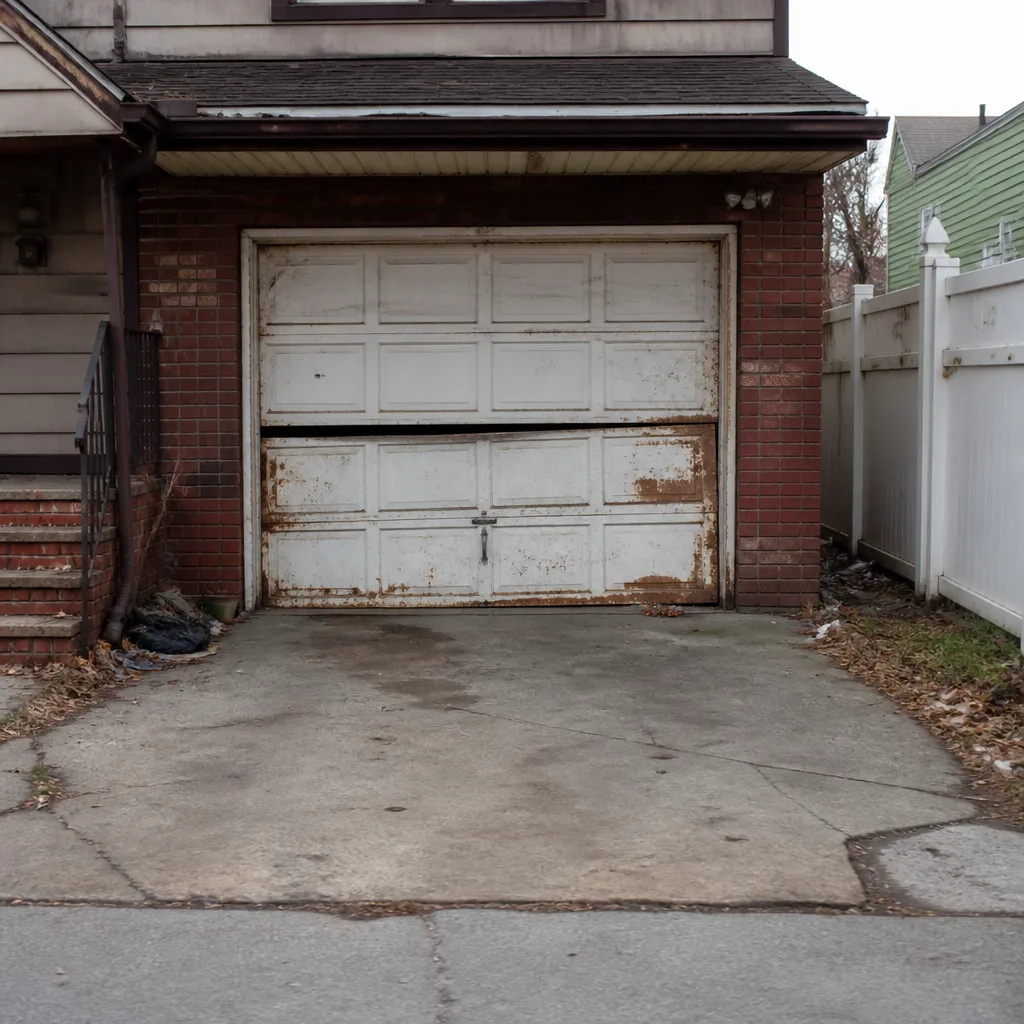 Before
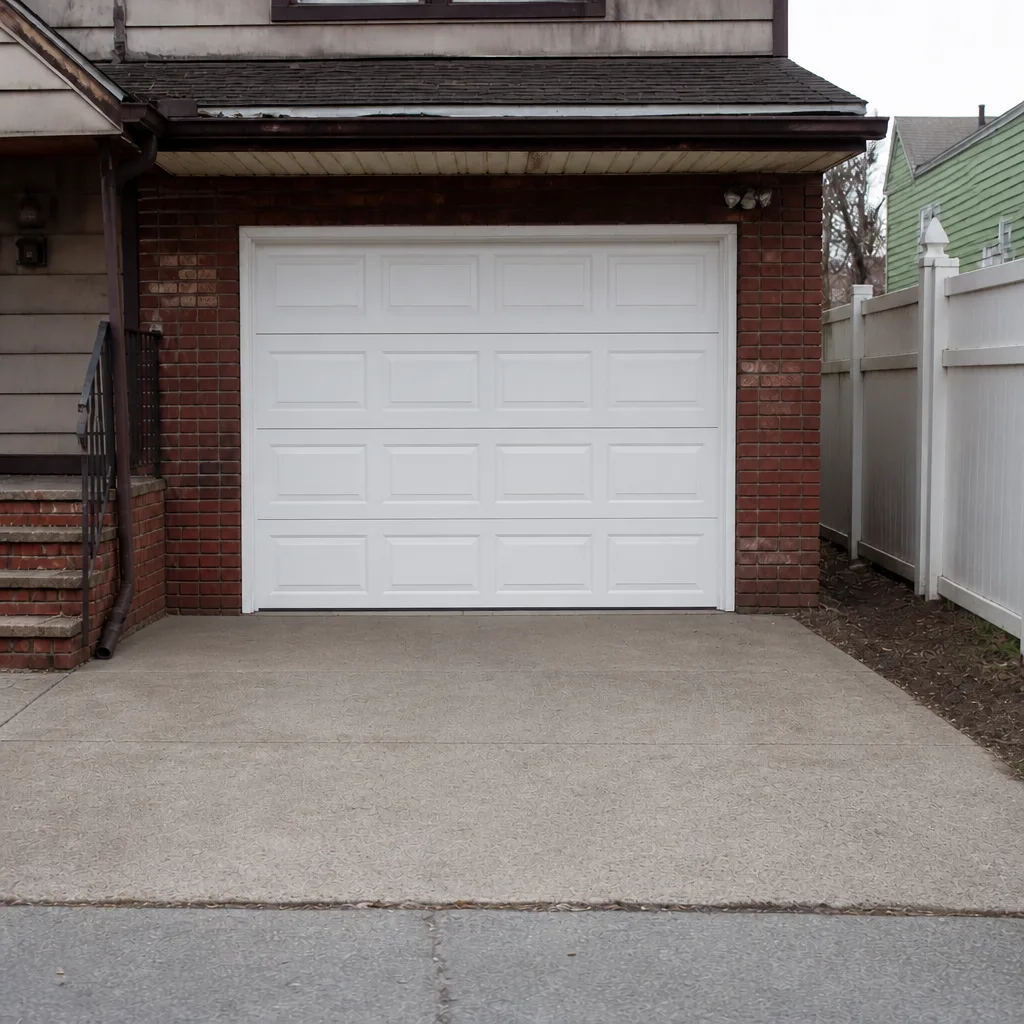 After
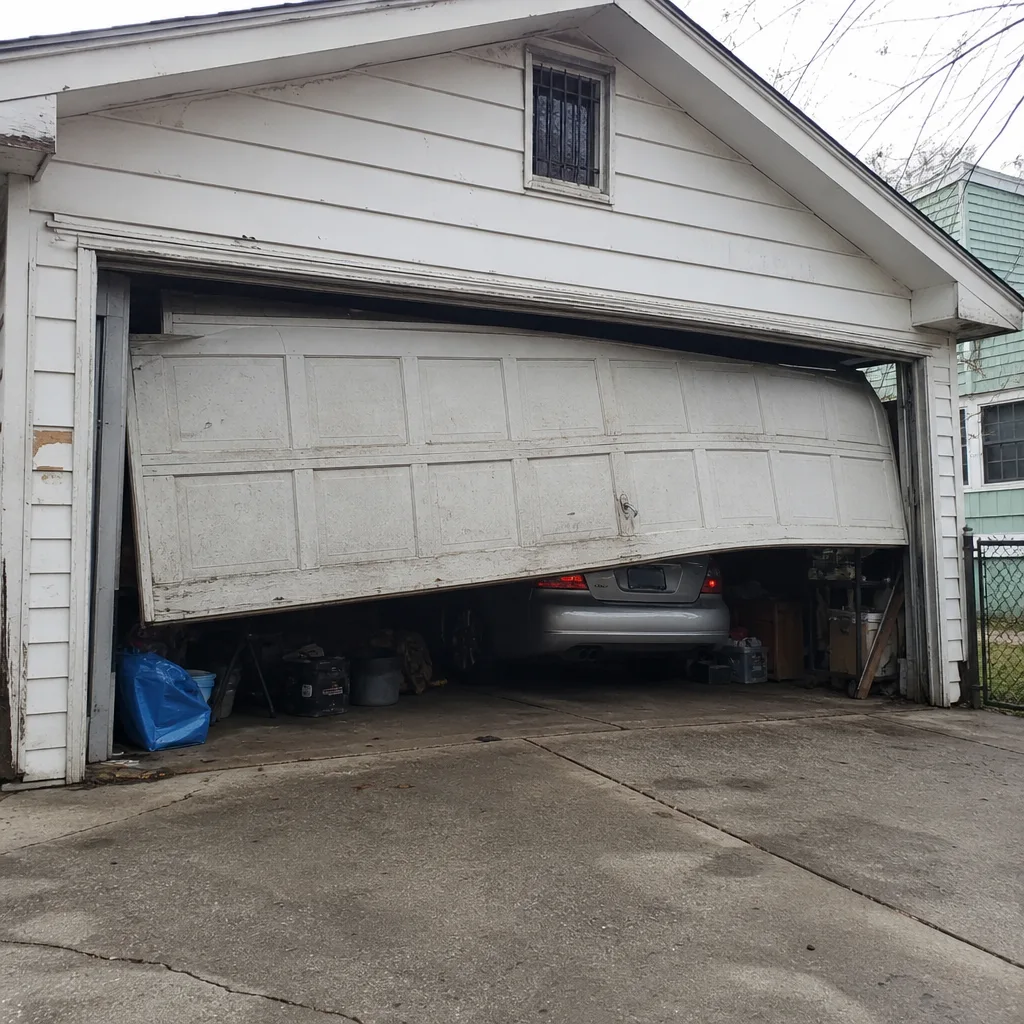 Before
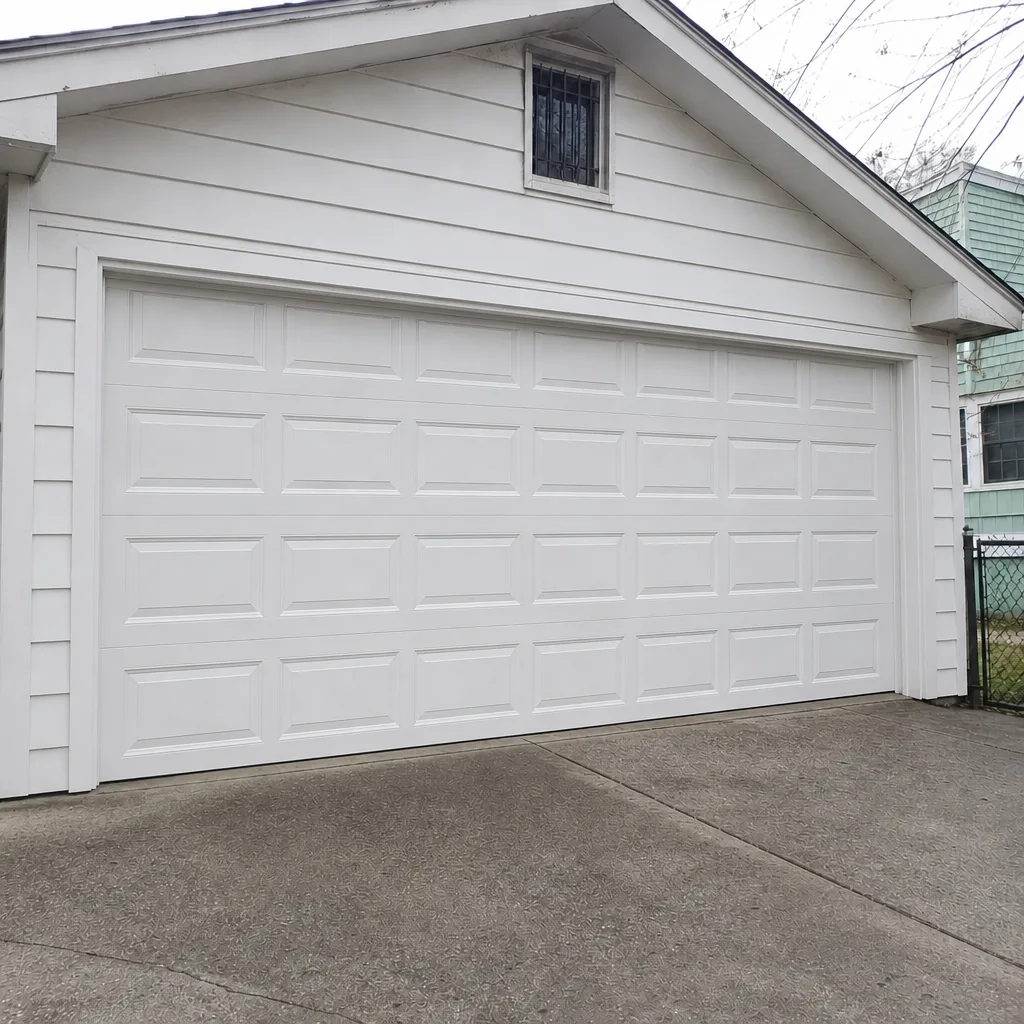 After
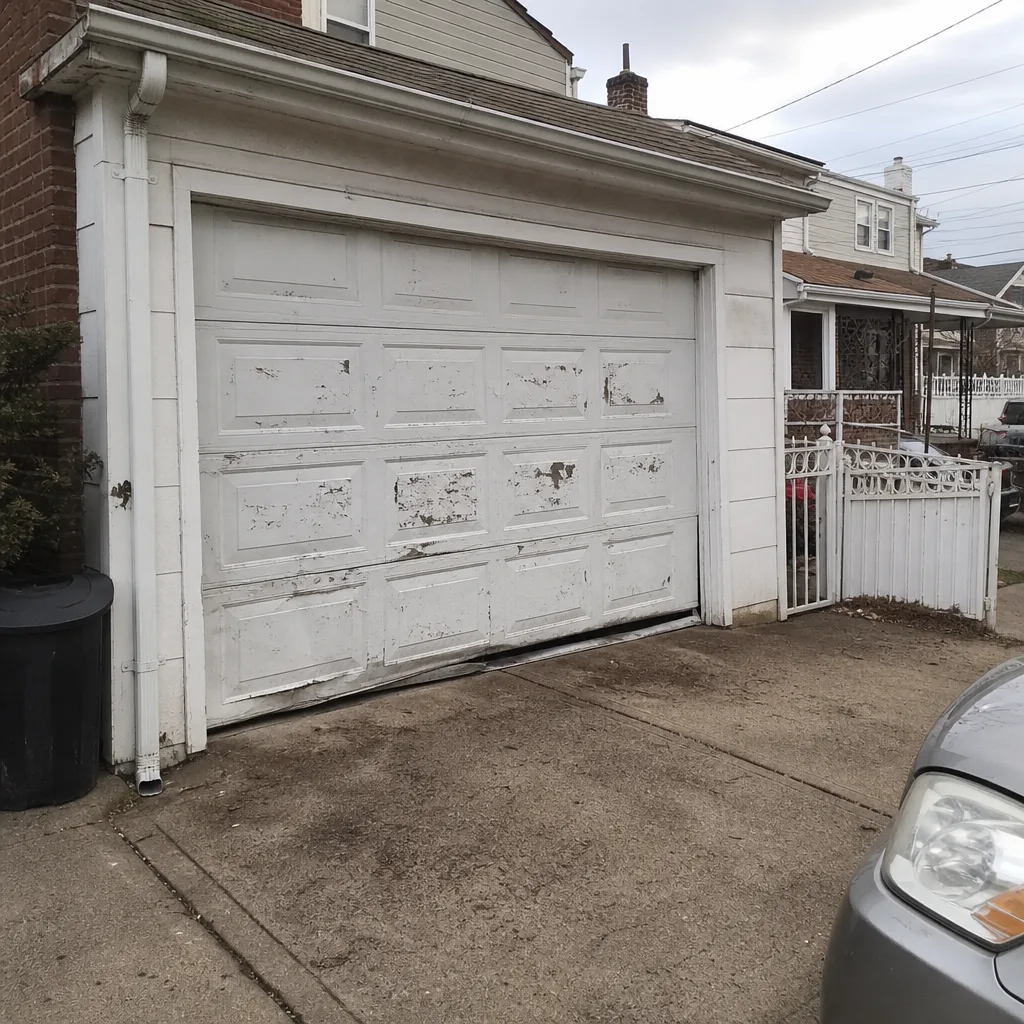 Before
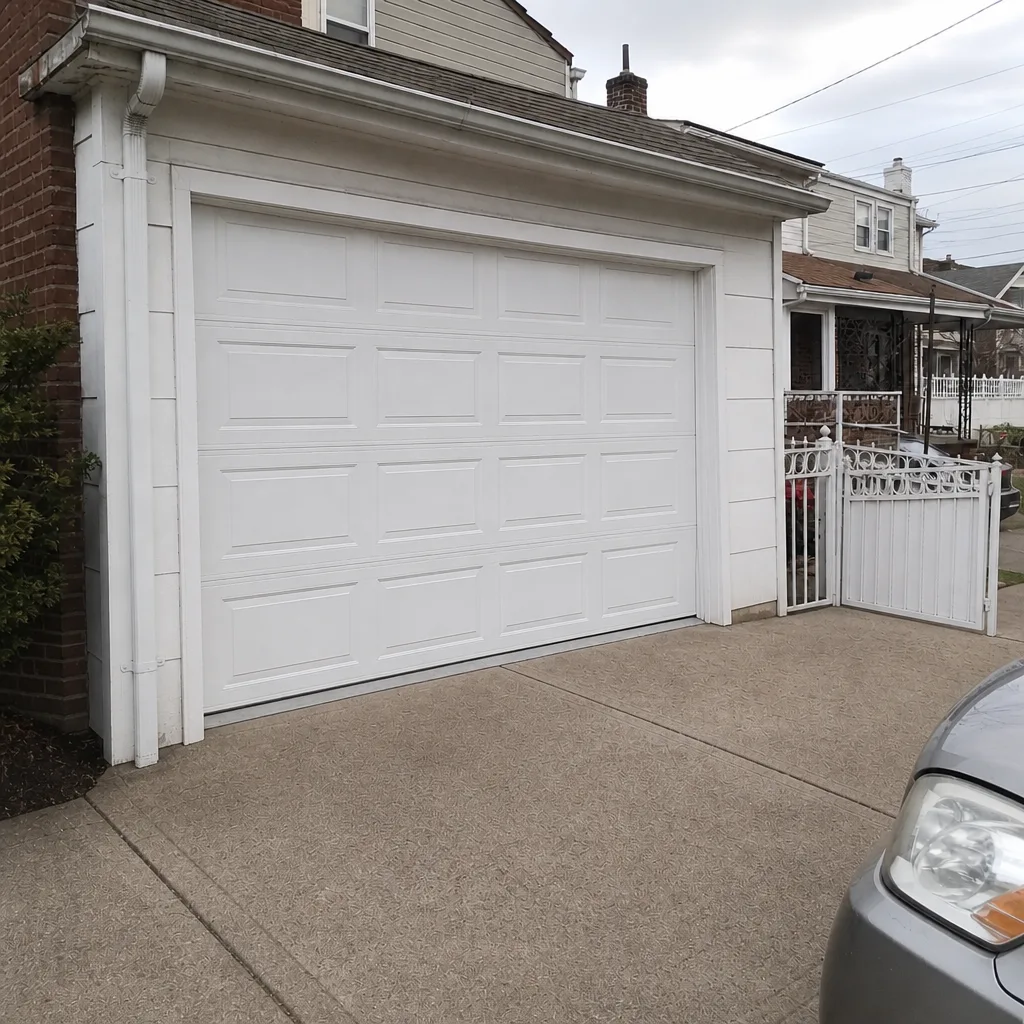 After
When to Call a Professional
Call a technician when the door has failed the manual disconnect or balance test, when a spring has snapped, when a cable is snapped or off the drum, or when the door is visibly off its track or sagging on one side. Those are mechanical failures that carry real injury risk and shouldn’t wait. Call when the opener hums, clicks, or fails to respond after a battery change and a re-pair. And call when you’ve run the two tests, tried the safe DIY fixes, and the door still won’t work – that’s the point where a diagnostic on-site saves you from guessing.
Garage Door Repair East New York offers free estimates in East New York. Call (877) 492-2281. We answer 24/7, with fast dispatch from 7am to 7pm, Sunday through Friday. Our technicians have up to 15 years of experience, and we handle spring repair, cable repair, opener diagnostics on LiftMaster, Chamberlain, Genie, and Craftsman, and new installations on Clopay, Amarr, Wayne Dalton, and Raynor. One call covers repair through garage door installation.
Frequently Asked Questions
Your garage door reverses before the floor because the safety sensors are obstructed, misaligned, or the lenses are dirty. Clean both sensor lenses, check that the LED alignment lights are solid on both sides, and confirm nothing is hanging in the door’s path. If the lights still blink, the sensor assembly itself may need replacement. If it keeps reversing after you’ve cleaned and aligned the sensors, call (877) 492-2281 – estimates are free, and we can tell you whether it’s the sensor or the opener.
A single torsion spring repair in East New York typically costs $180 to $340. A matched pair, which is often replaced together when one spring fails, costs about twice the single-spring price. The price is set by a written estimate before any work starts, so the number on the estimate is the number you pay. Call (877) 492-2281 for an exact quote – estimates are free.
No. A torsion spring stores enough energy to cause serious injury, and the tools to release that tension safely are not household tools. Attempting a spring replacement yourself is the single most common way homeowners get hurt around a garage door, and it can void an opener warranty. Leave spring repair to a trained technician. Call (877) 492-2281 if a spring has snapped.
A snapped cable is broken clean through and usually makes a loud bang, often dropping the door partway. A cable off the drum is still intact but has unwound, so the door may still feel like it can move – which is what makes it dangerous. Both require a technician, and neither should be operated or reset by a homeowner. Call (877) 492-2281 and stop using the door until we arrive.
The opener runs but the door doesn’t move because the mechanical part of the system has failed – usually a snapped spring, a broken cable, or the manual release being engaged. The motor is fine; the door isn’t. Run the manual disconnect test: if the door is very heavy to lift by hand, the spring has failed. Call (877) 492-2281 for a free estimate.
Yes, emergency garage door service is one of our core offerings for situations that can’t wait. We answer 24/7 and dispatch from 7am to 7pm, Sunday through Friday. A call outside dispatch hours is booked into the next opening. If your door is trapping a car or leaving the home unsecured, call (877) 492-2281 and we’ll get a technician out to you.
The written estimate sets the final price, and it’s given to you before any work starts. If the problem turns out to be different from what you described on the phone, the estimate changes before the work begins, not after. You agree to the price before a technician picks up a tool. Call (877) 492-2281 for a free estimate.
The Bottom Line
Most garage door problems in East New York come down to one of five categories, and reading your door’s symptoms tells you which one you’re facing. A reversing door is almost always a sensor issue, not a mechanical failure. A door that won’t move while the motor runs is almost always a spring or cable failure, which is not a DIY repair. Run the manual disconnect test and the balance test before you call – those two results tell you whether you’re facing an adjustment or a technician. Spring, cable, and drum work needs a trained professional every time; sensor cleaning, battery changes, and lubrication are safe to handle yourself. When the door fails the tests or a spring snaps, call (877) 492-2281 for a free estimate. We answer 24/7, with fast dispatch from 7am to 7pm, Sunday through Friday. Visit Garage Door Repair East New York for the full range of services.
Written by the team at Garage Door Repair East New York.