
Last updated November 21, 2026
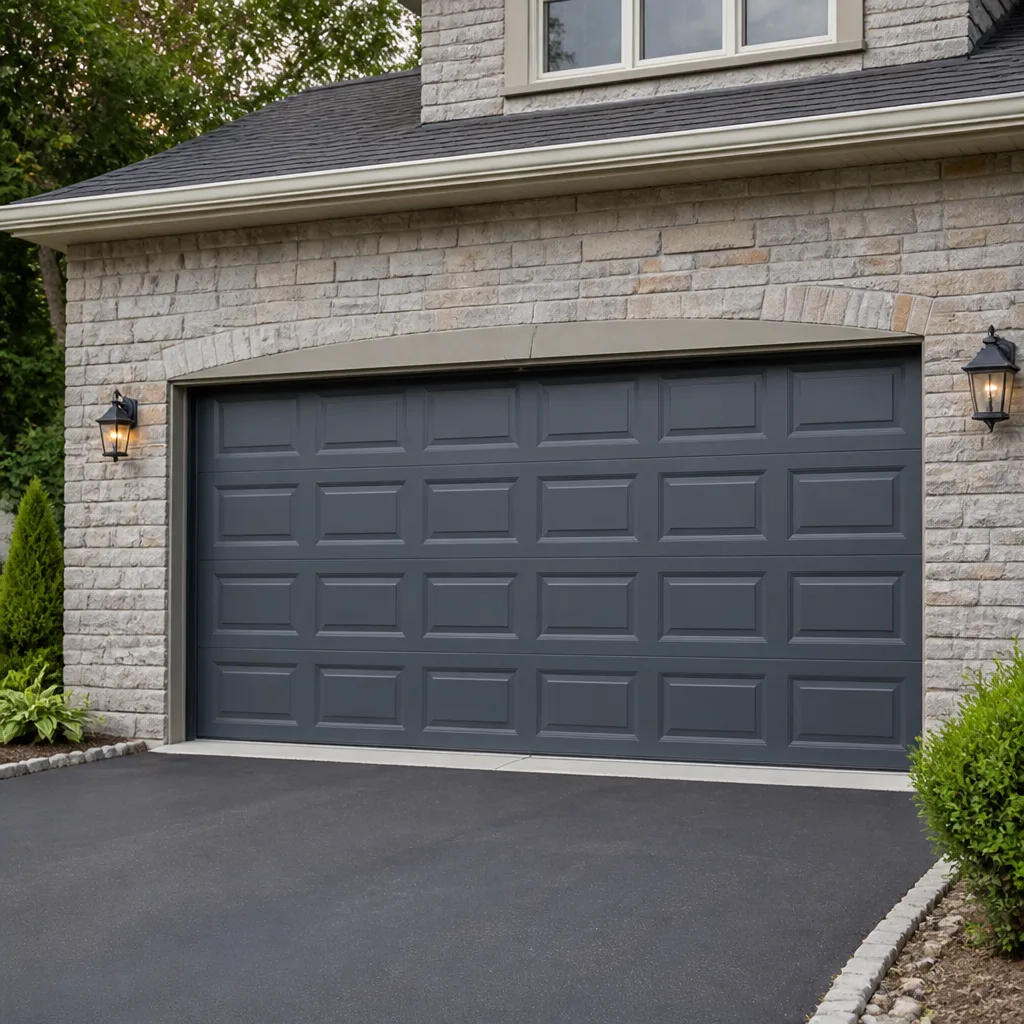 Raised-panel steel
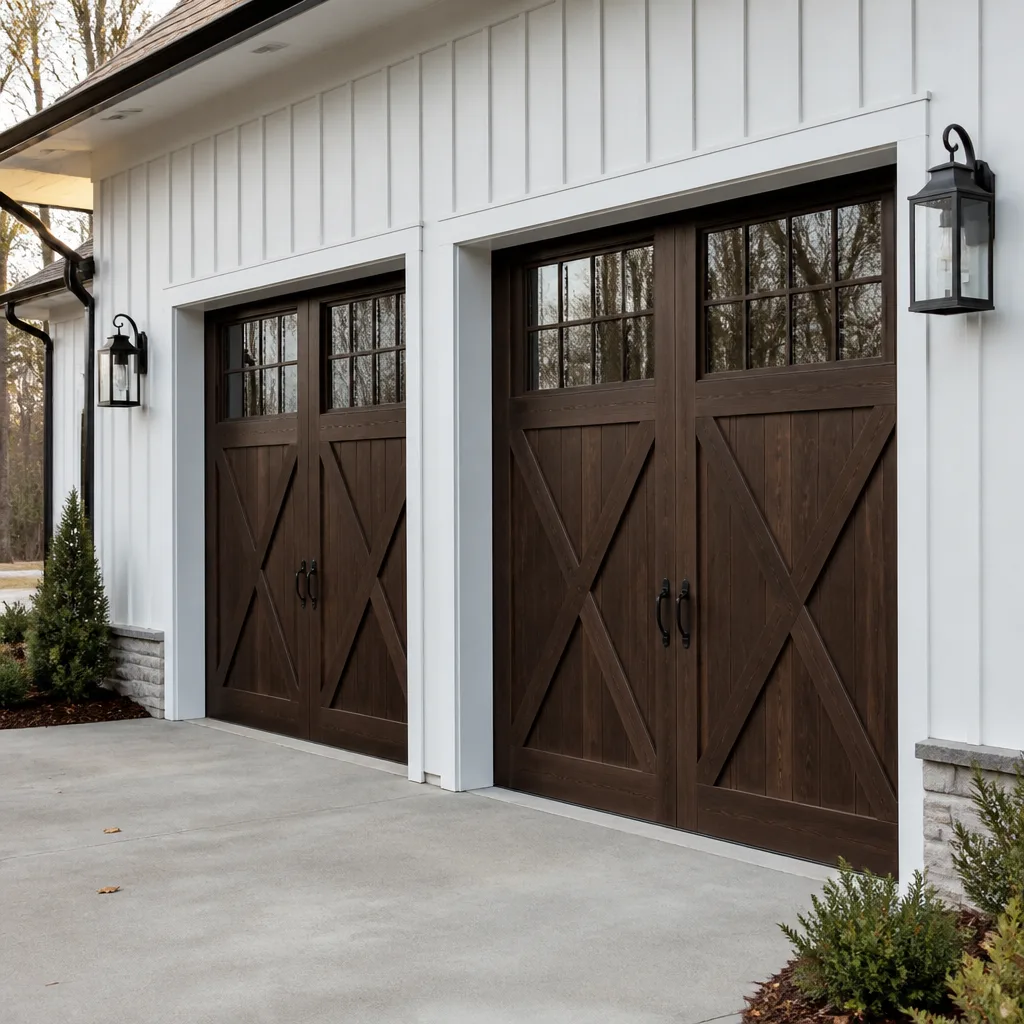 Carriage house
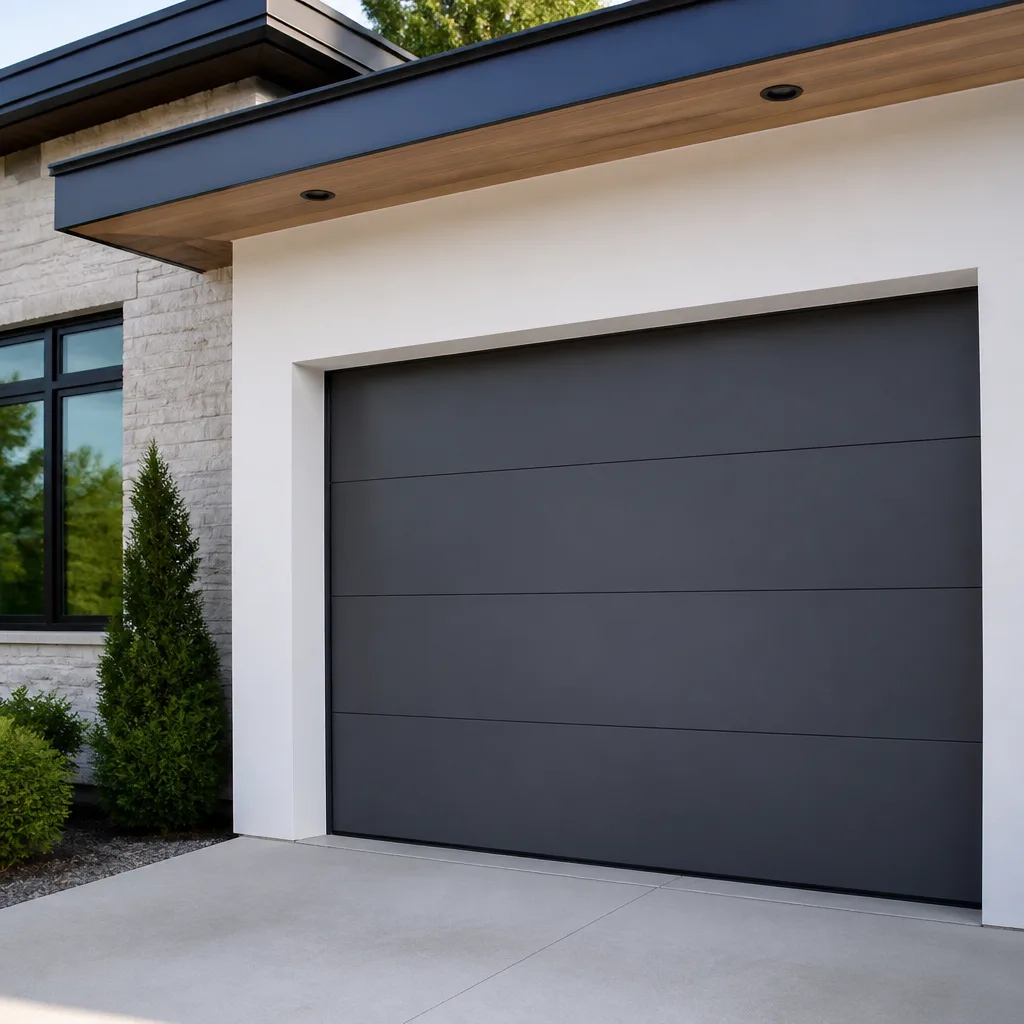 Modern flush
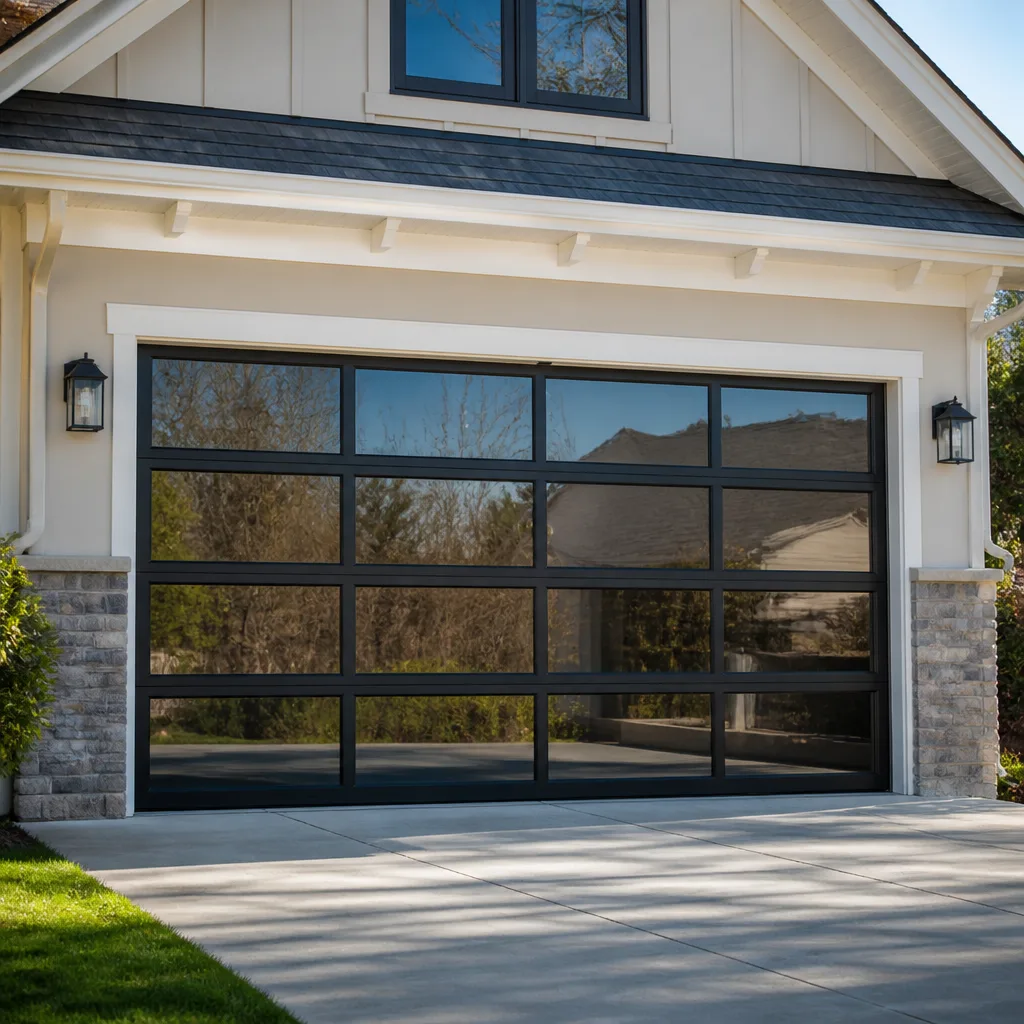 Full-view glass
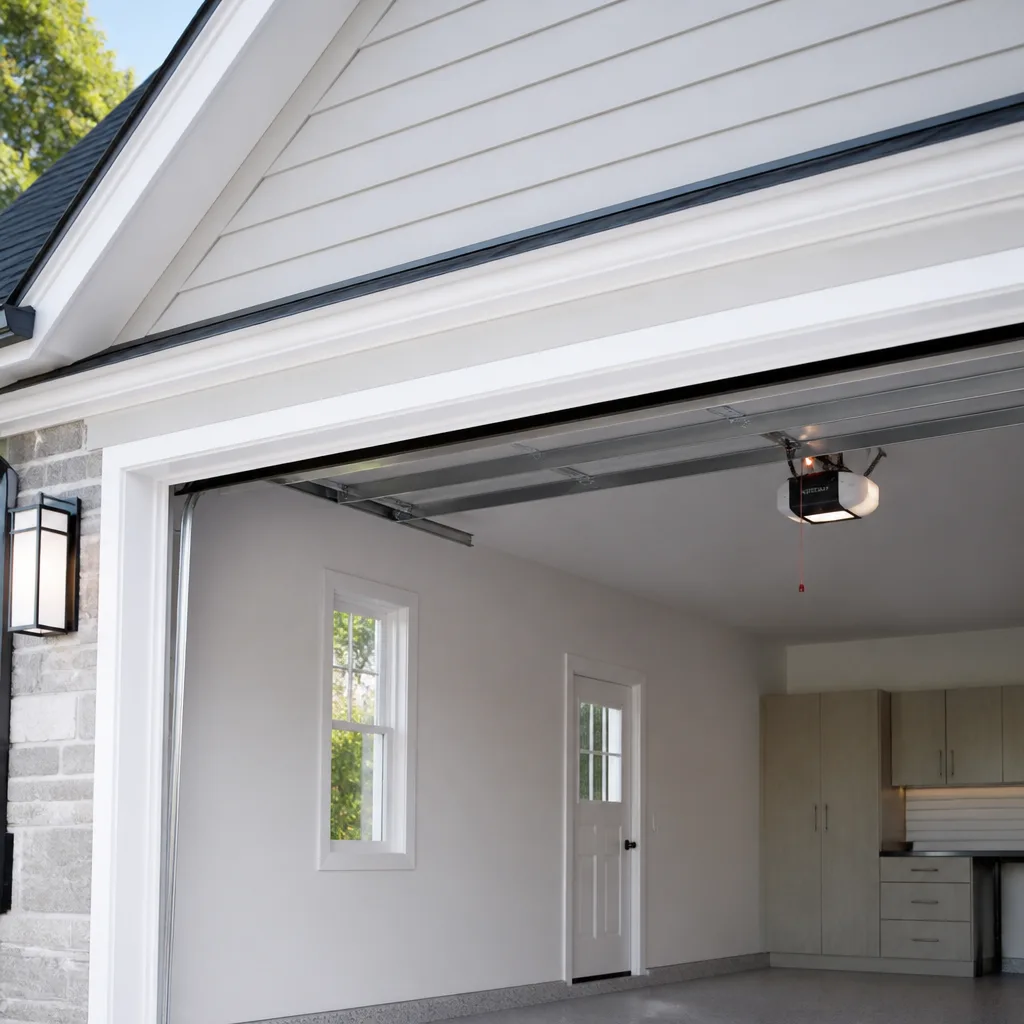 LiftMaster openers
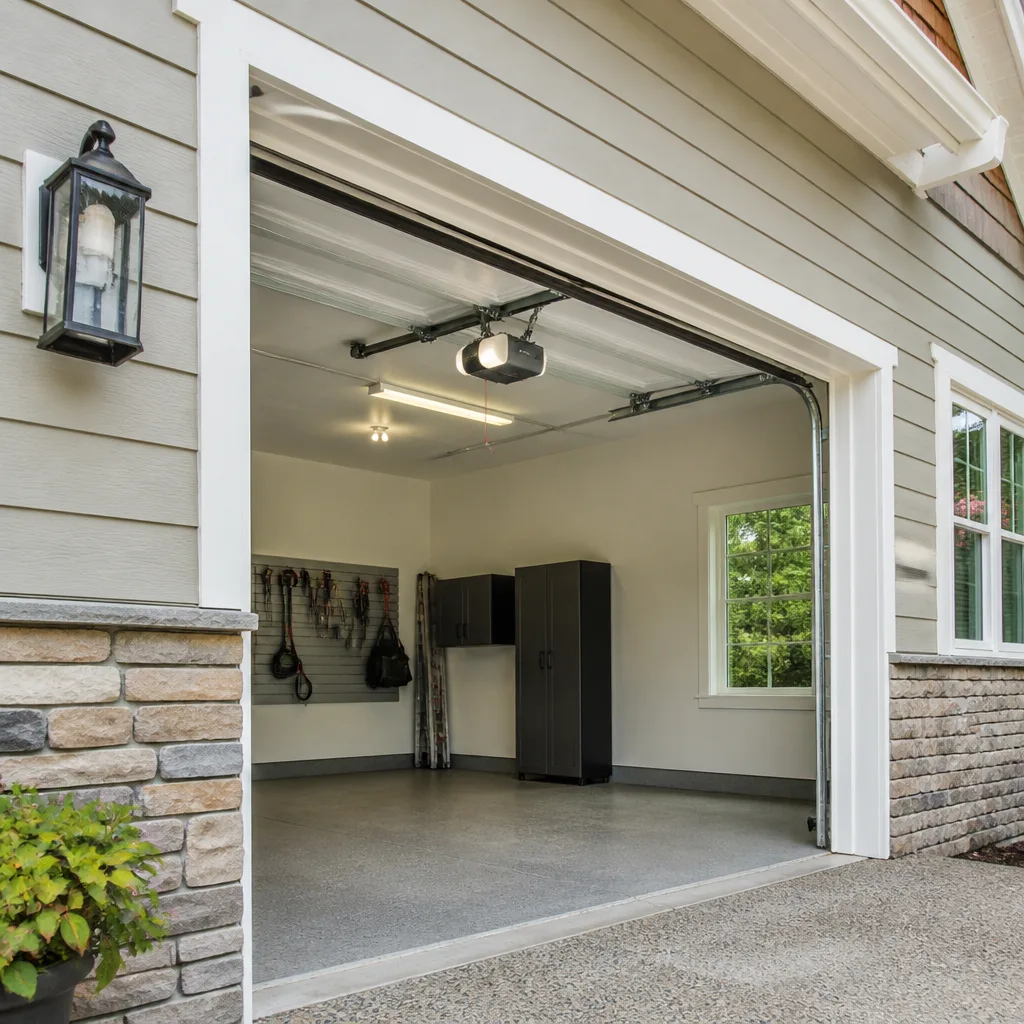 Chamberlain openers
Full 25-point door and opener safety check with every visit - springs, cables, rollers, tracks, and your LiftMaster or Chamberlain opener included
You get a price before we start. It does not change when the pro arrives.
Get your free estimateGarage Door Cost Breakdown: The East New York Homeowner’s Reference for 2026
Most garage door pricing advice you’ll find online was written for a house with a wide suburban driveway and a two-car garage set back from the street. That’s not East New York. Here, many homes sit tight against the lot line, cars park bumper to bumper, and a garage door that won’t lift means someone’s vehicle is stuck behind it until the job is done. The national average installation figure floating around the web doesn’t account for any of that. What you actually pay depends on borough labor rates, access, door size, and the brand you choose. In this guide we break down real cost ranges for the jobs East New York homeowners face most, explain why the same door costs more to install here than out on Long Island, and show you how to read a quote so you’re comparing apples to apples. By the end you’ll know what a fair price looks like and what questions to ask before anyone touches your door.
Quick Answer
Garage door work in East New York generally runs from about $95 for a small tune-up or roller swap up to roughly $3,200 or more for a full single-car door installation, with the most common repairs – springs, cables, and openers – landing between $120 and $650 depending on the part and the brand. Labor in Brooklyn runs higher than the national average because of access, parking, and the amount of hand-carrying many row-garage jobs require. The written estimate you receive before work starts is the price you pay; it isn’t a starting point that creeps upward once the door is apart.
Styles & brands we work with
- Raised-panel steel
- Carriage house
- Modern flush
- Full-view glass
- LiftMaster openers
- Chamberlain openers
Table of Contents
- What Drives Garage Door Cost in East New York
- Itemized Cost Ranges for Common Jobs in 2026
- Why a Row Garage Costs More to Fit Than a Suburban One
- Brand Cost Tiers Explained by Longevity
- How to Compare Garage Door Quotes Accurately
- The Hidden Cost of Deferred Repair
- What You Can Check Yourself and What You Shouldn’t Touch
What Drives Garage Door Cost in East New York
Four things set the price of any garage door job: the part, the labor, the access, and the urgency. The part is the easy one to quote because it’s a fixed item. Labor is where East New York differs from a lot of the country, and access is where it differs from the rest of Brooklyn. Understanding the four drivers lets you look at any estimate and see whether it’s fair.
Here’s how each one works in practice:
- The part. Springs, cables, rollers, hinges, and openers come in tiers. A basic opener and a belt-drive LiftMaster aren’t the same line on an invoice, and neither are a standard-gauge steel bottom panel and a heavier insulated Clopay panel.
- The labor. Brooklyn labor rates sit above the national average. Spring work is a two-person job done with winding bars and proper tooling. Opener diagnostics take time because the technician tests the system, not just the symptom.
- The access. Many East New York garages open onto a short driveway, a narrow side lot, or a shared alley. When a truck can’t pull up to the door, materials get carried. That adds time, and time is what you’re paying for.
- The urgency. A door that won’t close leaves the house open. A door that won’t open traps the car. When that happens, the job moves to the top of the list, which means the technician’s day gets rearranged around you.
We mention access because it’s the one factor homeowners rarely think about until they see it on a quote. In a neighborhood of attached and semi-attached homes, a technician may be working in a space where a ladder has to go in at an angle and the old door has to come out in sections rather than whole. That’s normal here. It’s part of why the same door fitted down the block costs what it costs. If you want the repair side covered in more depth, our garage door repair page walks through the common failures and how each is diagnosed.
Itemized Cost Ranges for Common Jobs in 2026
Below are typical 2026 ranges for the jobs we’re asked about most in East New York. These are estimates for planning – the written quote you receive after the technician sees the door is the number that stands. A spring price covers one spring; when both springs are replaced as a matched pair, expect roughly double the single-spring range.
| Job | Typical Estimated Range | Notes |
|---|---|---|
| Torsion or extension spring replacement (one spring) | $180 – $340 | Matched pair usually replaced together, about twice the single-spring price |
| Cable replacement (one side) | $120 – $220 | Both sides often done together on older doors |
| Roller and hinge replacement (full set) | $95 – $180 | Nylon rollers quieter than steel |
| Opener repair (board, gear, or travel adjustment) | $140 – $320 | Brand-specific; LiftMaster, Chamberlain, Genie, Craftsman supported |
| New opener installation (standard chain or belt drive) | $320 – $650 | Includes removal of old unit and safety sensor setup |
| Single panel replacement | $200 – $550 | Depends on door line and whether panel is still made |
| Single-car door installation (standard steel) | $1,100 – $2,200 | Varies with insulation, window options, and brand |
| Double-car door installation (standard steel) | $1,800 – $3,200 | Larger opening and heavier door raise labor and hardware cost |
| Full door and opener replacement together | $1,500 – $3,800 | Most cost-effective when both are near end of life |
Two patterns are worth pointing out. First, the repair items cluster tightly – most single repairs land between $120 and $340. Second, installation carries the wide spread because door materials and options vary so much. A bare-bones steel door and an insulated Amarr door with windows are not the same purchase, and the price should reflect that. When you’re ready for replacement rather than repair, our garage door installation page covers how a measure, order, and install sequence runs. Every price above is quoted and agreed before work begins.
Why a Row Garage Costs More to Fit Than a Suburban One
A detached suburban garage usually means a wide concrete driveway, room to back a truck up to the opening, and space to lay an old door out flat on the ground. A typical East New York row garage gives you none of that. The door faces a driveway measured in feet, not yards. Neighboring lots share walls or fences. Street parking for a work vehicle can be several houses away.
That access difference shows up in the labor line, and it isn’t padding. Here’s what changes:
- Carrying distance. When a truck can’t get close, materials come in by hand. A door section is heavy and awkward, and more trips mean more time.
- Old door removal. A door that comes out in one piece on a suburban lawn has to be broken down and carried out in sections here, which adds labor.
- Working clearance. Tight side clearances mean slower, more careful work around the track and springs. You can’t shortcut a spring job because the space is narrow.
- Scheduling around parking. If a work vehicle needs a legal spot, arrival can’t always happen at the exact minute planned. That’s a realist point, not a warning about lateness.
- Older openings. Many East New York homes have garage openings that predate current standard sizes. A door that fits cleanly may need minor framing or hardware adaptation.
None of that means a row-garage job is unreasonable. It means the quote you get here reflects real conditions, and a quote that’s dramatically cheaper than the rest is worth questioning. Ask any contractor to walk through what access on your lot requires. If the answer is vague, the price probably is too.
Brand Cost Tiers Explained by Longevity
The cheapest door on the quote isn’t always the cheapest door over ten years. Sticker price and real-world longevity are two different numbers, and the gap matters more in a climate where a door works hard – freezing winters, hot humid summers, and the daily open-and-close of a car that lives in the garage. Comparing brands by sticker price alone is how homeowners end up replacing a door twice.
Think of brands in three tiers:
- Entry tier. Standard-gauge steel doors with basic hardware. They do the job and last a reasonable stretch, but panels are thinner, finishes wear sooner, and you’ll likely replace hardware before the door itself.
- Mid tier. Doors with better steel, improved insulation, and stronger hardware. The price gap over entry tier is modest compared to the extra years you get before replacement. This is where most East New York homeowners land when they plan to stay in the home.
- Upper tier. Heavier doors with premium finishes, higher insulation, and longer hardware life. Worth it if the garage is used as more than storage or if you want the door to outlast the house’s other exterior components.
On the opener side, the same logic applies. A LiftMaster belt drive and a Genie chain drive both open a door, but belt drives run quieter and often longer, which matters when the garage sits under a bedroom. We work on eight major brands – LiftMaster, Chamberlain, Genie, Clopay, Amarr, Wayne Dalton, Craftsman, and Raynor – so the brand you already own is one we can service. When you’re choosing new, our garage door opener repair page explains what tends to fail first on each system, which is a useful way to think about longevity before you buy.
How to Compare Garage Door Quotes Accurately
Two quotes for the same job can differ by hundreds of dollars and still be close in real value – or nearly identical and hide very different scopes. The trick is knowing what should be inside a quoted price and what’s a legitimate add-on. Here’s how to read them side by side.
Compare on these line items, not just the bottom number:
- Parts included. Does the spring quote cover one spring or a matched pair? A pair costs about twice a single. Make sure both quotes say which.
- Labor scope. Is old-part removal and disposal included? On a full install, is removing the old door part of the price or a separate line?
- Hardware. Rollers, hinges, and track are sometimes quoted separately. A quote that lumps them in without naming them can be hard to compare.
- Opener compatibility. If you’re keeping your opener and replacing the door, the quote should confirm the opener can handle the new door’s weight.
- Site access. If the quote is silent on access and another contractor has priced for it, that gap is where surprise charges appear.
- What’s excluded. A fair quote lists what isn’t included: painting, electrical work beyond the opener, or structural framing. Exclusions aren’t sneaky as long as they’re written down.
Legitimate add-ons exist. An unexpected broken cable found mid-job is a real cost, not an invented one, and it should be explained and agreed before it’s done. What shouldn’t happen is a price that climbs after the fact without your OK. We set the price on a written estimate before work starts. If something changes once the door is apart, you hear about it first, and you decide.
The Hidden Cost of Deferred Repair
Small garage door problems grow into expensive ones, and the reason is mechanical. A cable is a good example. A single-sided cable replacement sits in the lower end of our repair ranges – call it the $120 to $220 band. It’s easy to postpone because the door still works, mostly. But a worn cable takes on more load than it should, and a cable that fails under load can let the door drop unevenly, twist the tracks, and stress the springs.
What starts as a modest cable job can turn into a cable-and-spring job, or a cable, spring, and track job, in a matter of months. Same for a noisy roller or a hinge that’s wearing: the vibration and slack load up the opener, and the opener is the most expensive part in the system. We see it across East New York – a homeowner who waited on a minor repair and ended up paying for a much bigger job later. The repair itself hasn’t gotten cheaper by then.
Two signs are worth acting on quickly:
- The door lifts unevenly or feels heavy. Both point to spring or cable wear. Don’t keep forcing it.
- The opener strains, jerks, or reverses. That often signals something else in the system is binding, and the opener is taking the strain.
The math on deferred repair is simple: fix the small thing now, and the larger thing doesn’t come. An exact quote on a cable makes the decision easier, and estimates are free. Call (877) 492-2281. We answer 24/7. Fast dispatch from 7am to 7pm, Sunday through Friday.
What You Can Check Yourself and What You Shouldn’t Touch
There’s a clear line in garage door work, and it’s drawn around the springs and cables. Those parts are under high tension and store enormous energy. A spring that releases unexpectedly can cause serious injury, and there’s no safe way to wind or unwind one without proper winding bars, the right training, and physical control of the door. We keep this line firm because we mean it.
What a homeowner can safely do:
- Test the auto-reverse by placing a roll of paper towels in the door’s path and seeing whether the door reverses. If it doesn’t, stop using the door and get it looked at.
- Check the safety sensors at the base of the tracks – the small eyes should be aligned and their indicator lights steady. A knocked sensor is a common cause of a door that refuses to close.
- Look over the tracks for visible bends or debris and clear out anything blocking them.
- Listen on a quiet morning. Grinding, scraping, or a bang is a signal to call, not to tighten something.
- Check the balance by disengaging the opener (with the door fully closed) and lifting the door halfway by hand. It should stay put. If it drops or rises, the springs need attention.
What you shouldn’t attempt: winding springs, replacing cables, or adjusting the opener’s force settings to compensate for a binding door. The last one is a common instinct and it hides the real fault while straining the motor. If the balance check fails or the door won’t move freely, leave it closed and call us. We answer 24/7. A call outside dispatch hours is booked into the next opening, Sunday through Friday, 7am to 7pm. Our technicians have up to 15 years of experience and handle spring work in-house rather than handing it to a subcontractor.
Common Mistakes to Avoid
- Comparing a single-spring quote against a pair quote. A pair costs about twice a single. If one quote says “springs” and another says “spring,” you’re not comparing the same job, and the cheaper number may not be cheaper at all.
- Chasing the lowest number in the borough. A quote that ignores East New York access realities and comes in well under everyone else usually has something excluded that will reappear as a charge later.
- Replacing the door but not checking the opener. An older opener may not be rated for a heavier insulated door, and forcing it strains the motor from day one.
- Adjusting the opener’s force setting to hide a binding door. This masks the real problem – usually spring or track wear – and pushes the motor harder until it fails.
- Ignoring a noisy roller or a squeaking hinge. Small vibration loads the opener, and the opener is the priciest component to replace.
- Buying a door on sticker price alone. A cheaper door that needs replacing years sooner costs more over its life than a mid-tier door that doesn’t.
- Skipping the written estimate. Verbal prices and “it should be around” figures are how invoices get bigger than expected. Insist on the written number before work starts.
See the difference
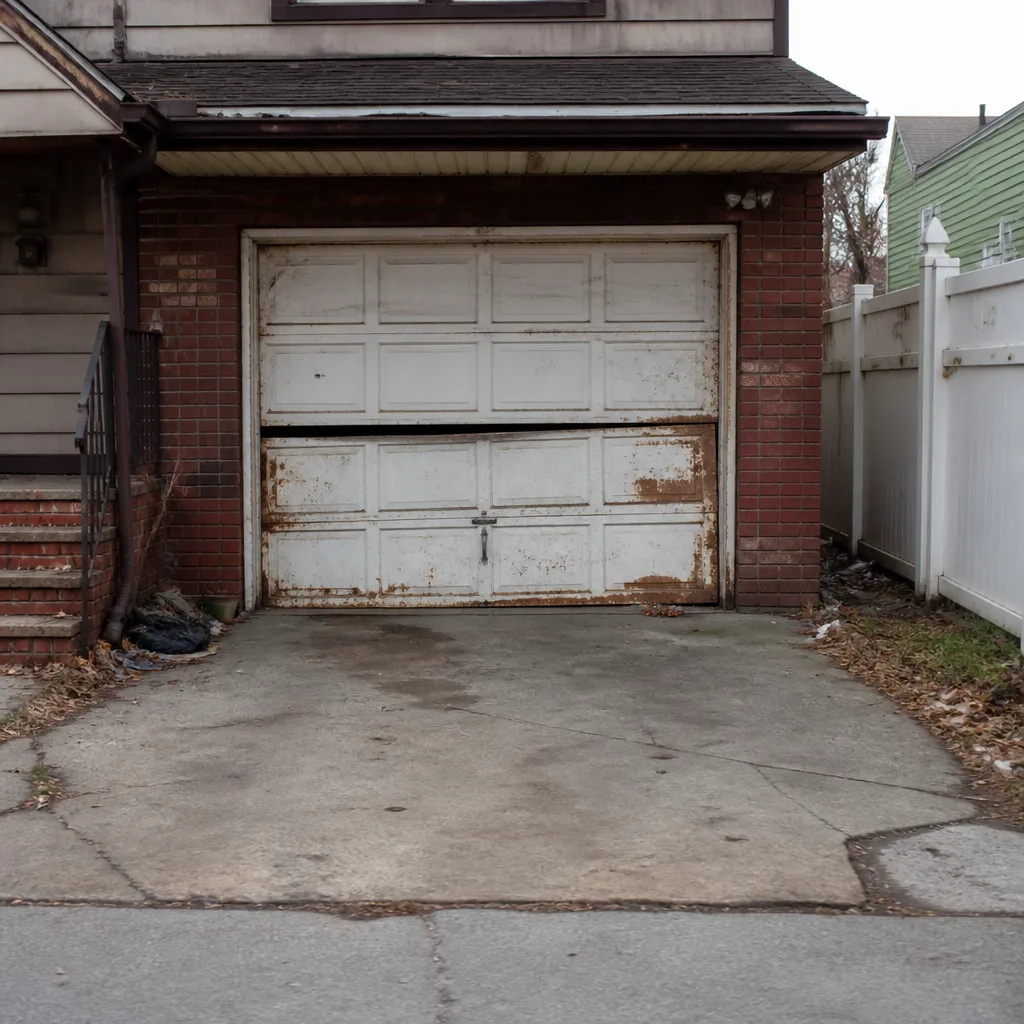 Before
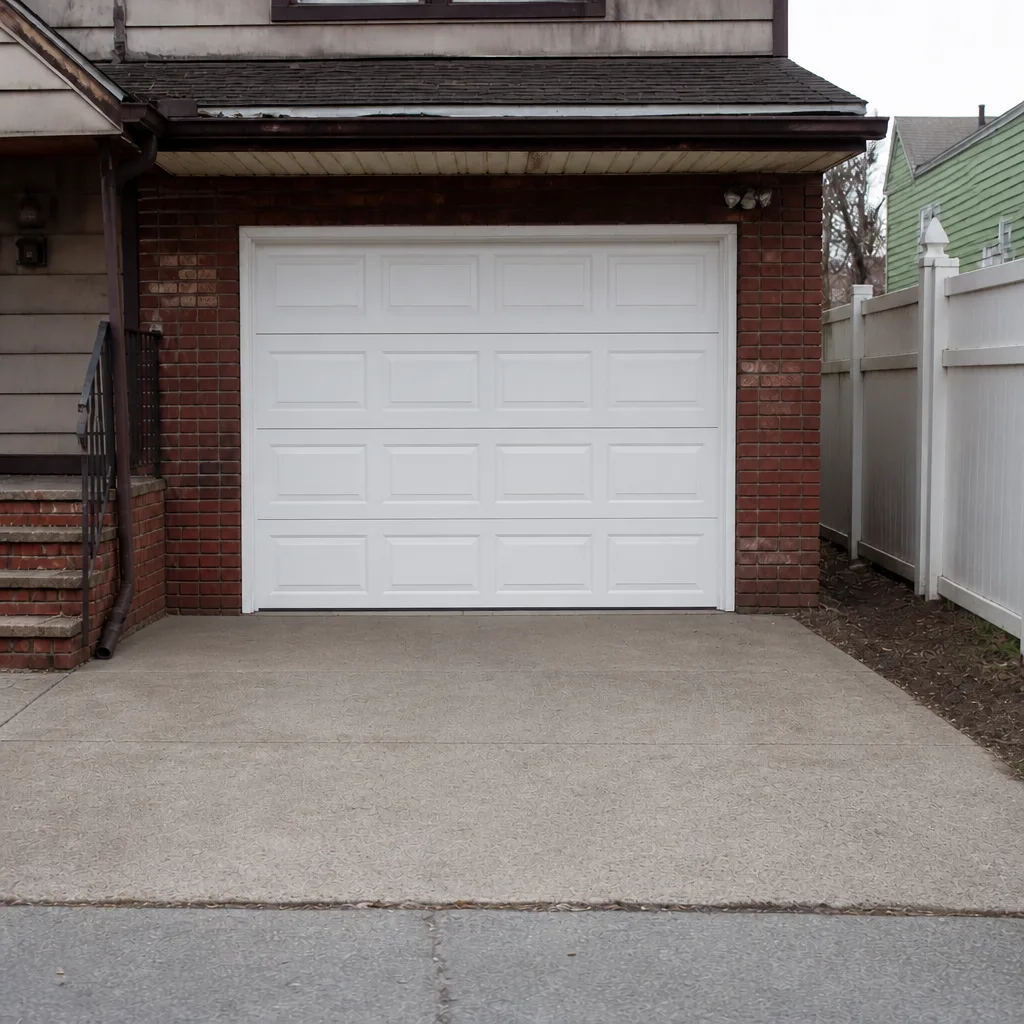 After
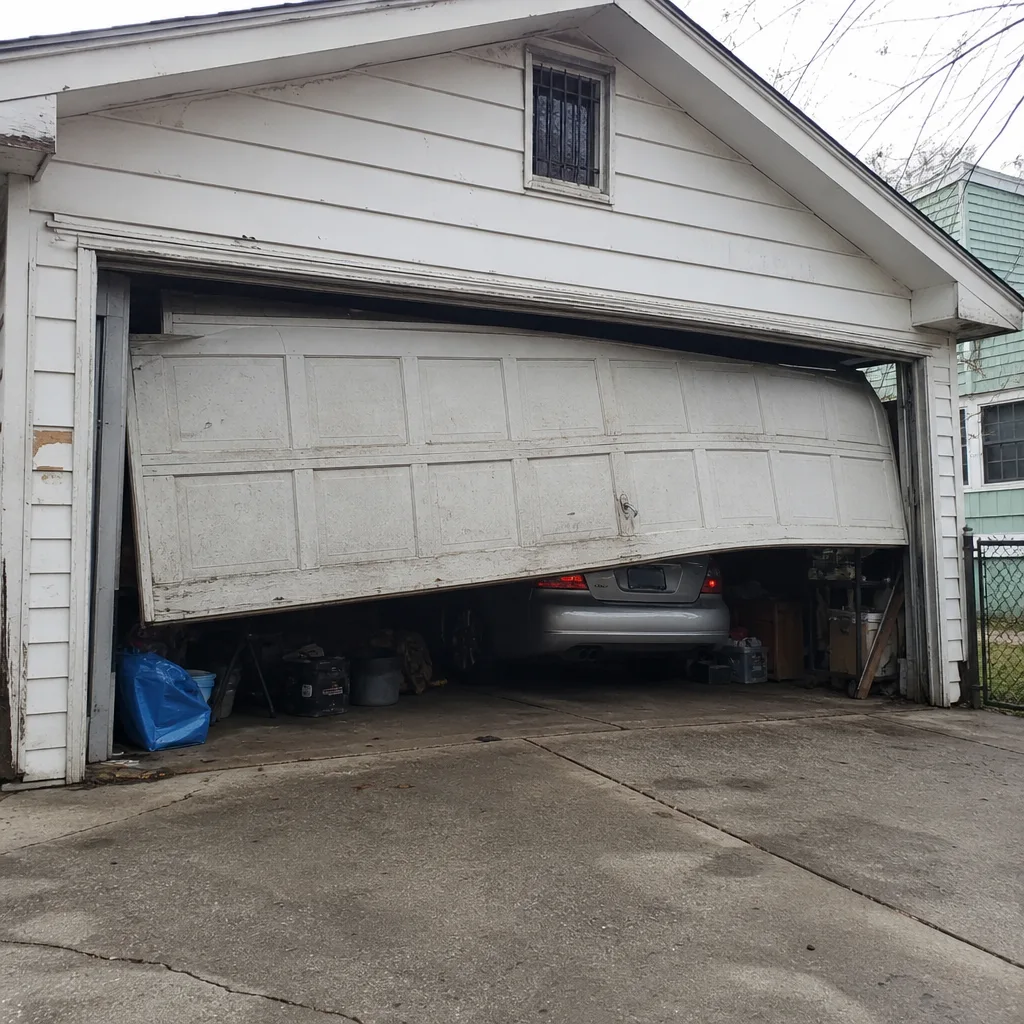 Before
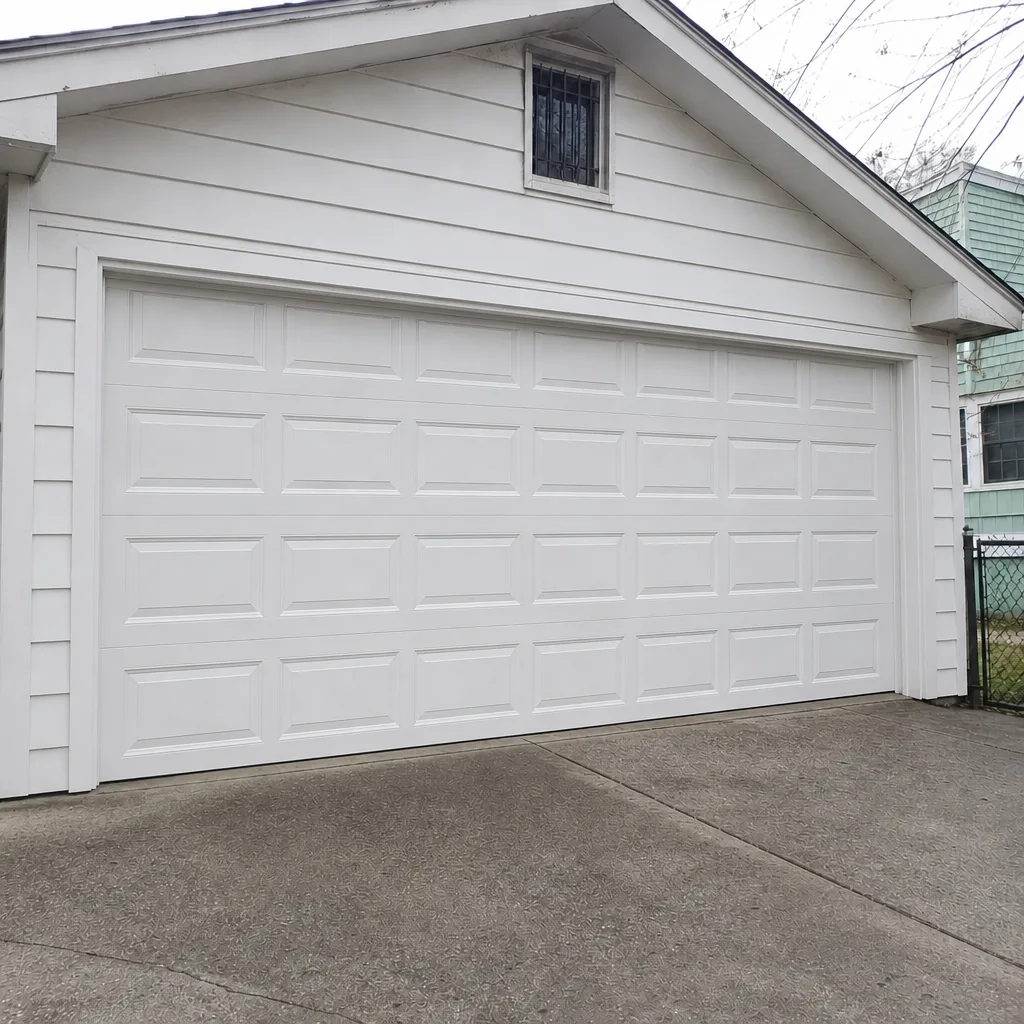 After
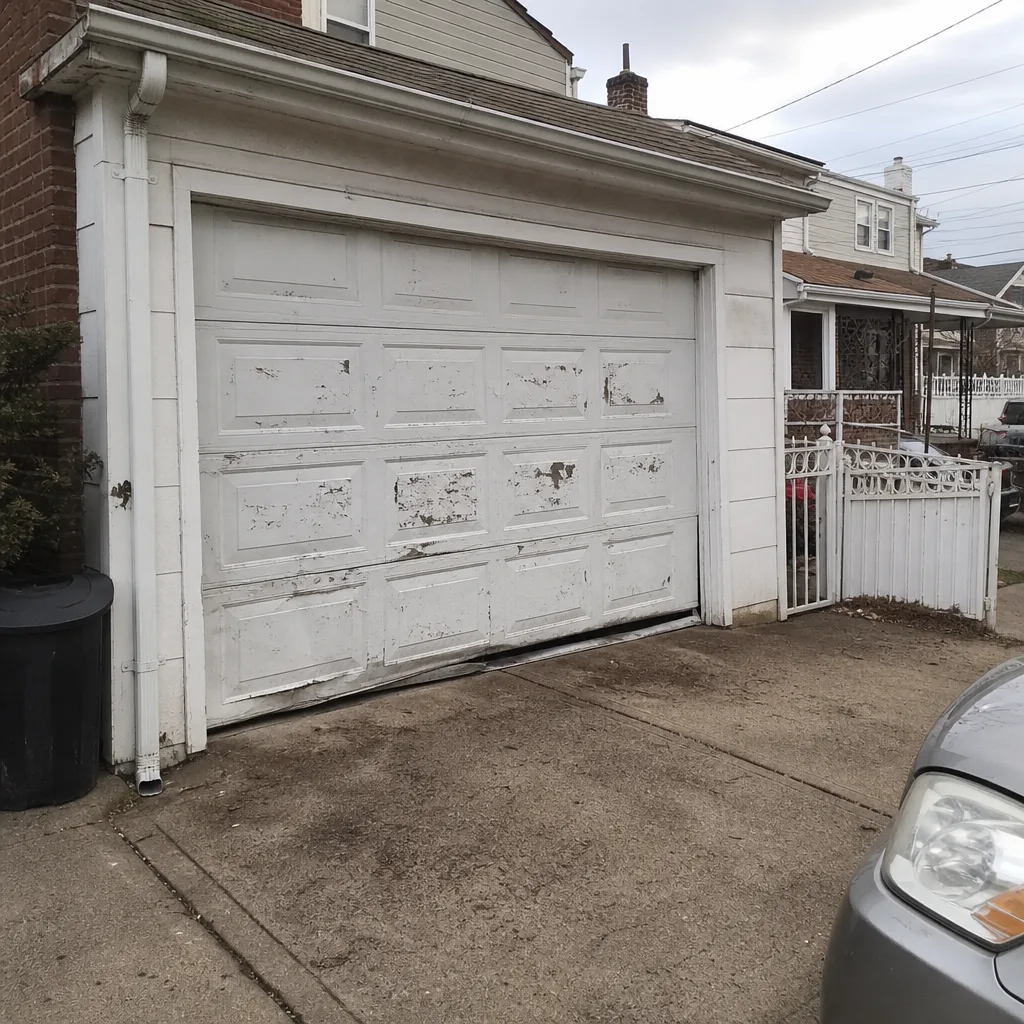 Before
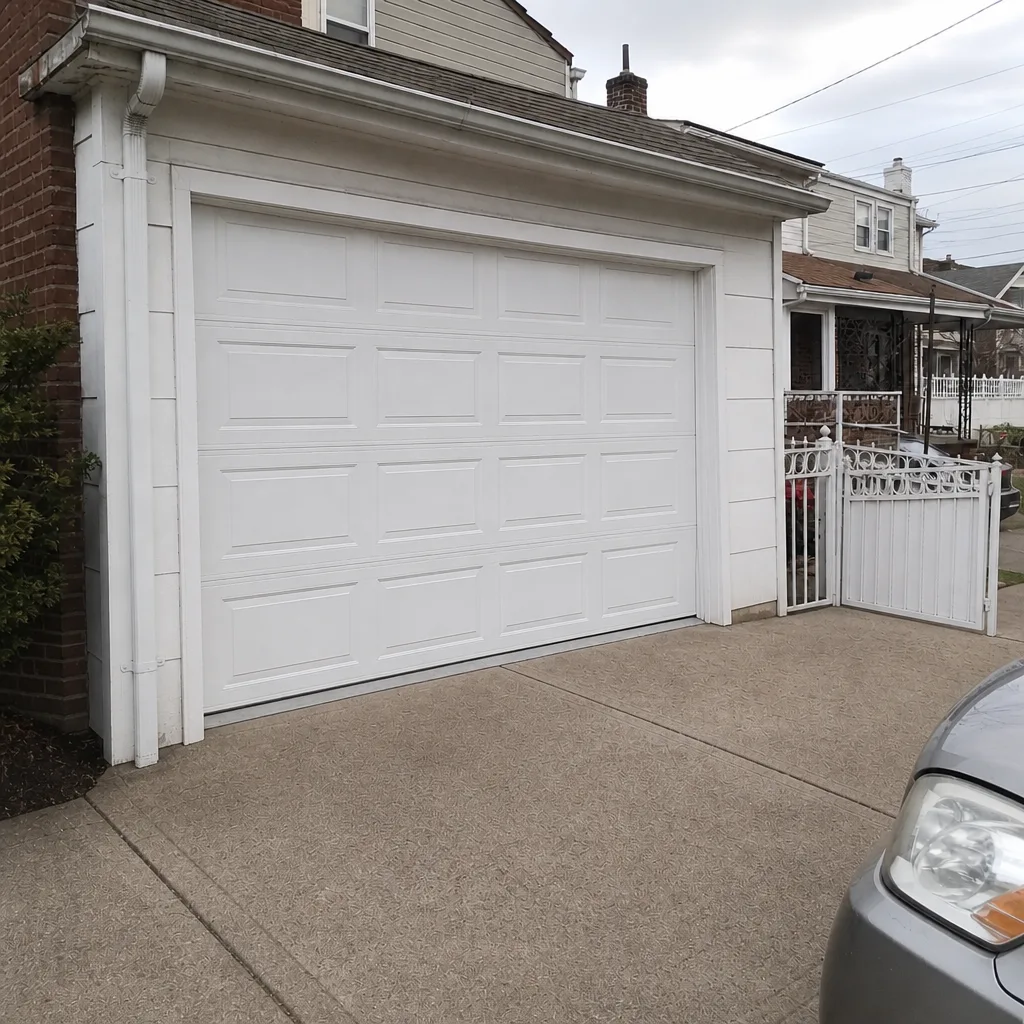 After
When to Call a Professional
Call a professional when the door won’t open or won’t stay closed, when a spring has snapped (you’ll hear it), or when the door lifts unevenly and feels heavy. Call when the opener runs but the door doesn’t move, when the safety sensors won’t stay aligned, or when the door reverses on its own. Call if a cable looks frayed or the tracks are bent. Call before a door that’s been noisy for months finally stops. And call if you’re pricing a full replacement – a free measure and a written price is the right starting point, and it costs you nothing. Garage Door Repair East New York offers free estimates in East New York. Call (877) 492-2281. We answer 24/7. Fast dispatch from 7am to 7pm, Sunday through Friday. Our technicians have up to 15 years of experience across LiftMaster, Chamberlain, Genie, Clopay, Amarr, Wayne Dalton, Craftsman, and Raynor systems.
Frequently Asked Questions
Most garage door repairs in East New York run between $120 and $340 for a single item like a spring, cable, or opener fix, and $95 to $180 for a roller-and-hinge set. Larger jobs, like a full opener install or panel replacement, go higher. The written estimate you receive before work starts is the price you pay. Call (877) 492-2281 for an exact quote – estimates are free.
Access is the main reason. East New York row garages usually sit tight against a lot line with limited driveway space, so materials get hand-carried and old doors come out in sections instead of whole. Brooklyn labor rates also run above the national average. Those factors are priced in, not padding. Call (877) 492-2281 for a written price after a measure.
Often, yes. Spring work is a repair we handle in-house, and our technicians have up to 15 years of experience with it. We answer 24/7, and fast dispatch runs from 7am to 7pm, Sunday through Friday; a call outside dispatch hours is booked into the next opening. Call (877) 492-2281 to check availability and get a free estimate.
No. Once we’ve seen the door and written the estimate, that’s the price. If we find something unexpected after the door is apart, we explain it and get your OK before doing the work. Nothing gets added without your agreement. Call (877) 492-2281 to schedule an estimate.
The local professional who comes to your home is licensed and insured as their state requires. Our technicians have up to 15 years of experience, and we work on eight major brands: LiftMaster, Chamberlain, Genie, Clopay, Amarr, Wayne Dalton, Craftsman, and Raynor. Call (877) 492-2281 for a free estimate.
Repair usually costs less in the short term – a spring or cable job runs in the low hundreds, while a full single-car install runs $1,100 to $2,200. Replacement makes more sense when the door is over ten years old, panels are dented or warped, or you’re paying for repeated fixes. Call (877) 492-2281 for a free measure and written price on either path, and we’ll tell you which one fits.
The Bottom Line
Garage door pricing in East New York comes down to four levers: the part, the labor, the access, and the urgency. Get an itemized written estimate, compare on scope rather than bottom number, and factor in how long a door or opener will actually last rather than what it costs today. A cable repair now beats a spring-and-track job later. A mid-tier door beats two entry-tier doors over time. And a written quote signed before work starts beats a verbal “should be around.” That’s the whole game – knowledge going in, no surprises coming out.
When you’re ready, call (877) 492-2281 for a free estimate. We answer 24/7. Fast dispatch from 7am to 7pm, Sunday through Friday. If your door won’t open or won’t stay closed, we also offer dedicated emergency garage door service for situations that can’t wait for a next-day appointment. Springs, openers, panels, and full installs – one call covers it. For anything from a snapped spring to a brand-new door, we work on your brand and we set the price in writing first. Start with a look at our Garage Door Repair East New York page for an overview of what we cover.
Written by the team at Garage Door Repair East New York.