
Last updated November 21, 2026
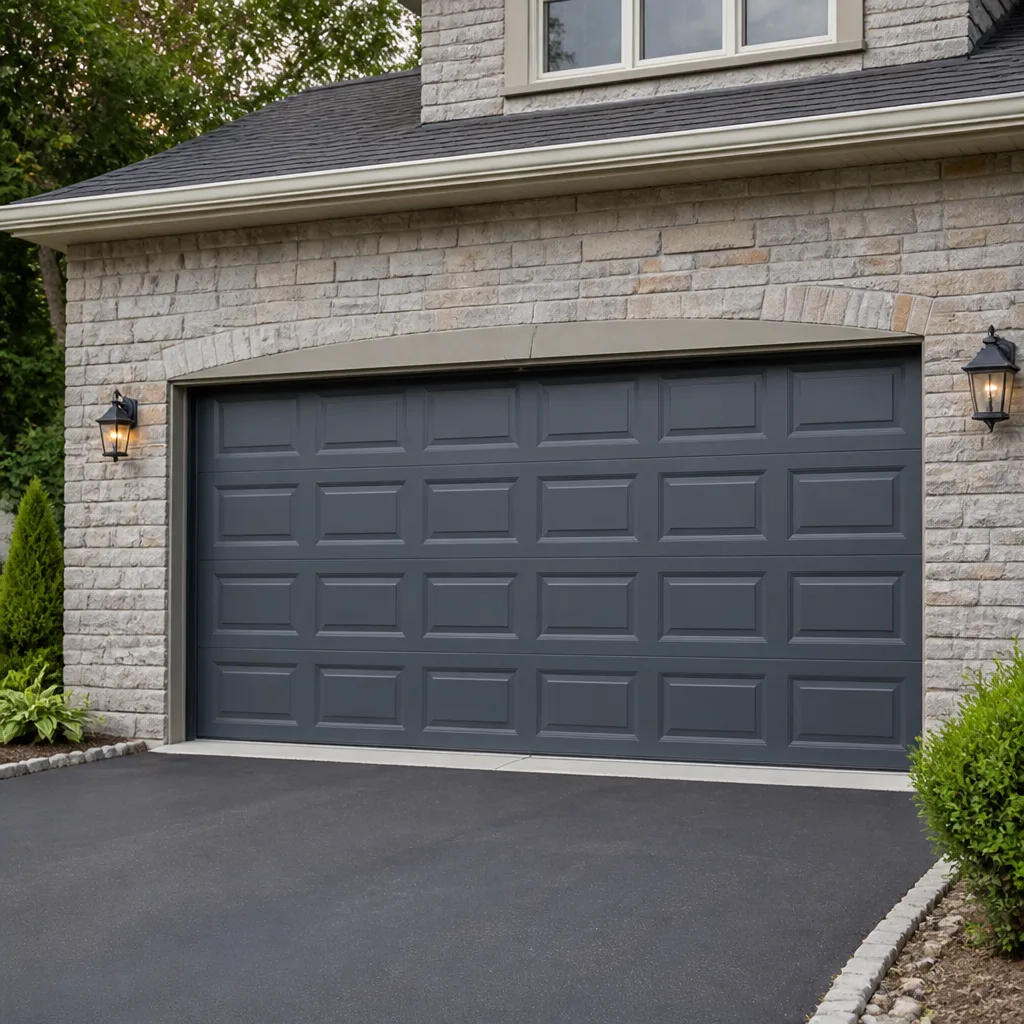 Raised-panel steel
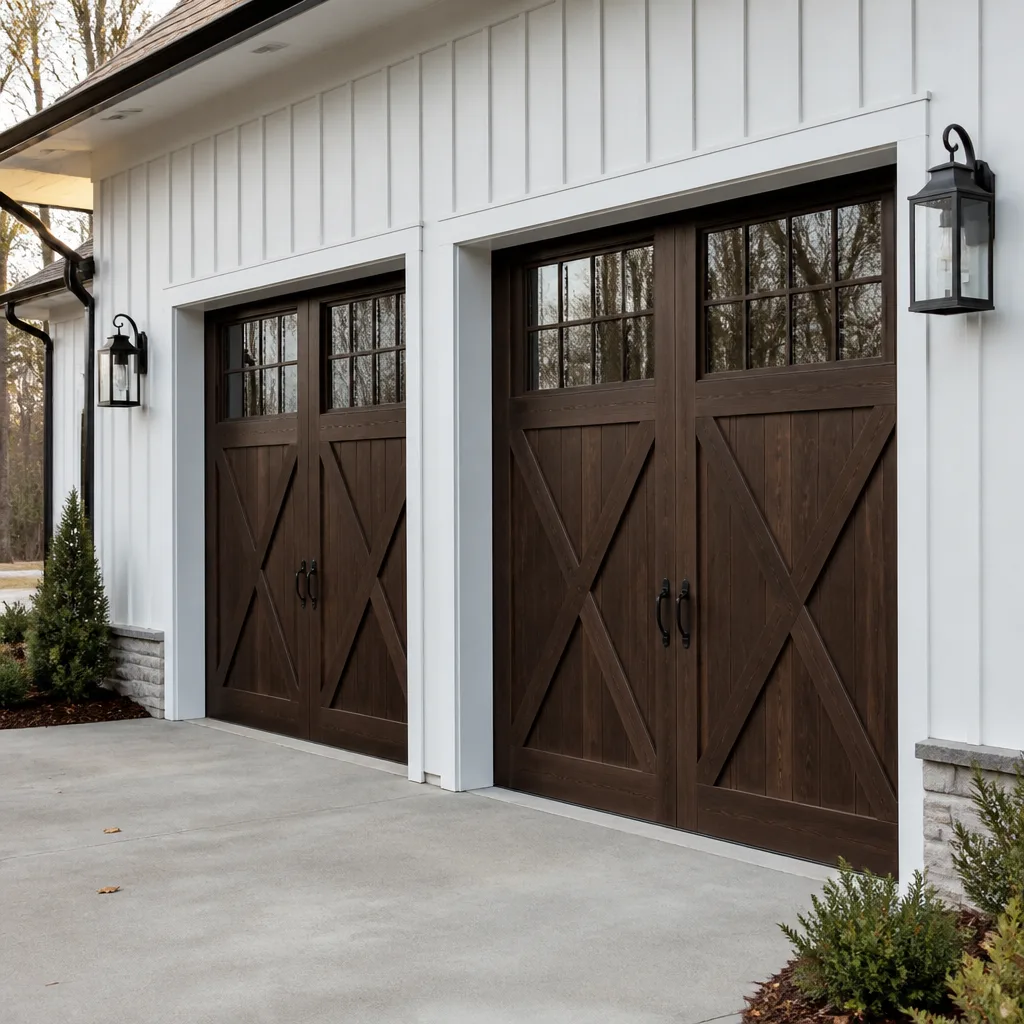 Carriage house
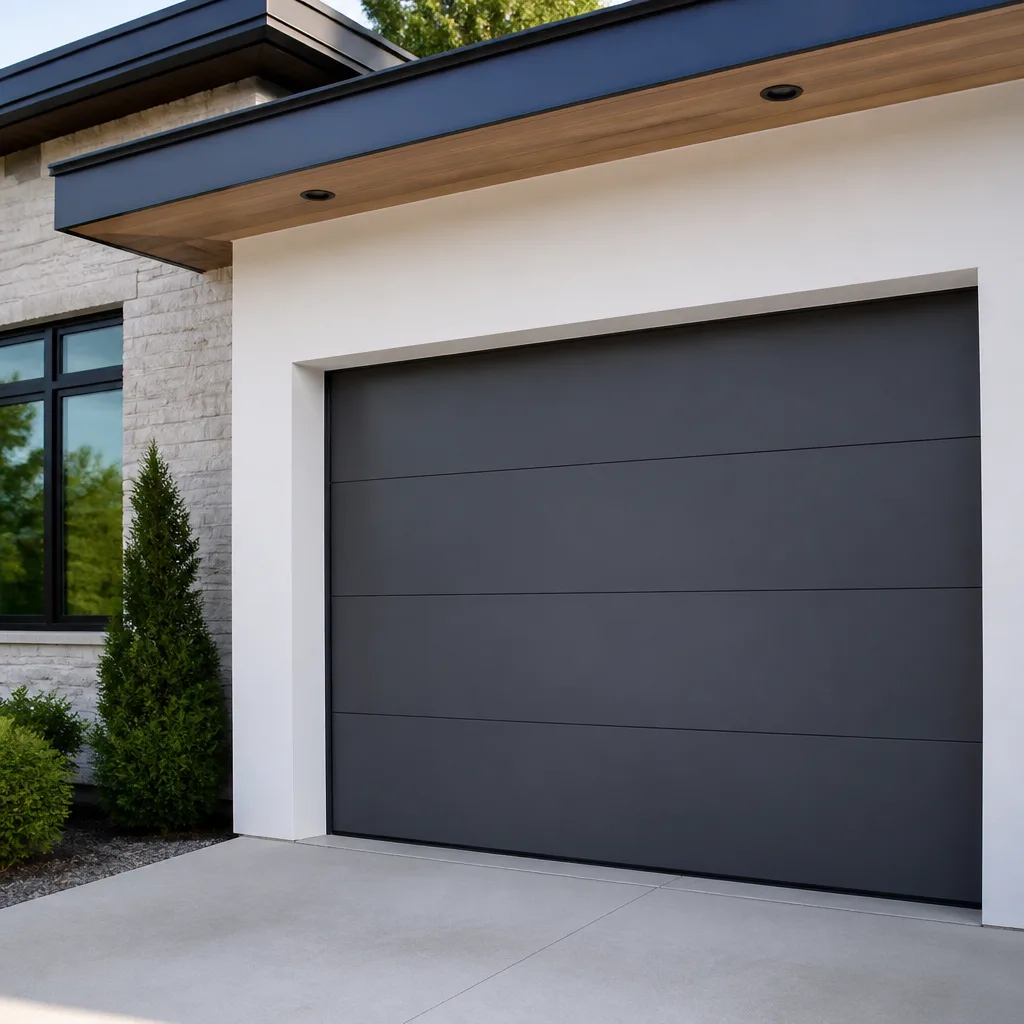 Modern flush
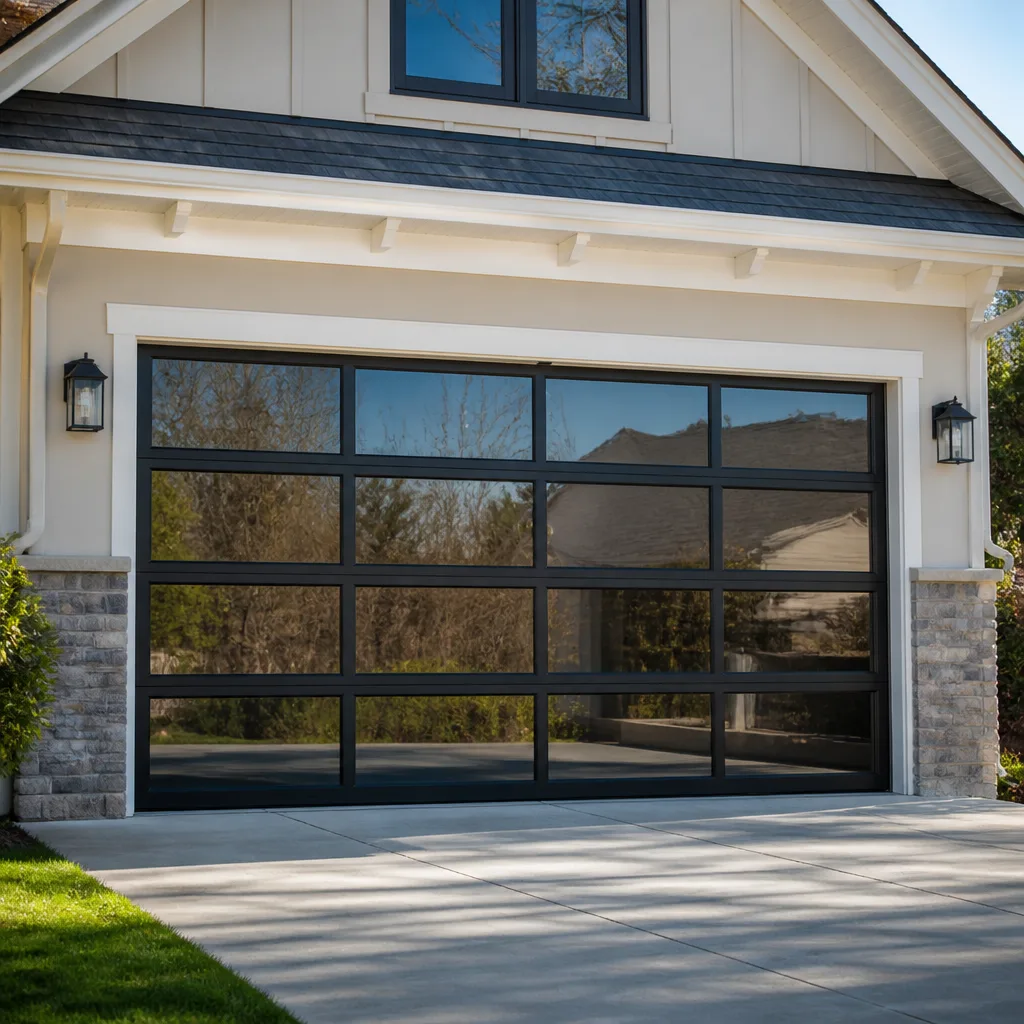 Full-view glass
 LiftMaster openers
 Chamberlain openers
Full 25-point door and opener safety check with every visit - springs, cables, rollers, tracks, and your LiftMaster or Chamberlain opener included
You get a price before we start. It does not change when the pro arrives.
Get your free estimateGarage Door Permits, Codes & Inspections in East New York, NY: What You Need to Know
A garage door swap sounds like a weekend project. In New York City, it isn’t always one. Replacing a door on an attached garage can legally require a permit, and the contractor who waves that off may be protecting their own schedule rather than your interests. We hear the same line in East New York: “it’s just a door, nobody pulls a permit for that.” Sometimes that’s true. Often it isn’t. This guide lays out when the NYC Department of Buildings expects a filing for garage door work, what an inspector actually checks, how unpermitted work surfaces during a home sale, and the practical steps for pulling a permit in Brooklyn when your project needs one.
Quick Answer
In New York City, a straight swap of a garage door of the same size and type usually does not require a DOB permit. Work that changes the opening, alters structural framing or headers, replaces the door with a different type, or touches the electrical circuit for the opener generally does. When in doubt, call the NYC Department of Buildings or a licensed contractor before ordering a door.
Styles & brands we work with
- Raised-panel steel
- Carriage house
- Modern flush
- Full-view glass
- LiftMaster openers
- Chamberlain openers
Table of Contents
- When does NYC require a permit for garage door work?
- How do NYC Local Law 196 and site-safety rules apply to garage door work?
- What does a DOB inspector check on a garage door installation?
- How does unpermitted garage door work show up when you sell?
- Step by step: pulling a garage door permit in Brooklyn
- Why East New York garages get flagged more than you’d think
- Who files the permit, and who is responsible if nobody does?
- How long does the permit and inspection process take?
When does NYC require a permit for garage door work?
The threshold most homeowners misunderstand is simple to state and easy to get wrong: a permit is usually about the opening and the structure, not the door panel itself. Swapping a damaged Clopay or Wayne Dalton door for a new one of the same size in the same opening is normally a replacement, not an alteration. Resizing the opening, cutting into the header, replacing a rotted jamb, or converting a manual door to an automatic one crosses into work the DOB wants to review.
The practical rule we use when talking with homeowners in East New York: if the door matches what’s there and nothing structural changes, you’re in replacement territory. If anything about the rough opening, the framing, or the electrical service feeding the opener changes, treat it as a permit job until the DOB tells you otherwise.
Work that usually needs a permit
- Changing the size of the door or the rough opening
- Cutting, sistering or replacing a header or structural framing
- Converting a solid wall to a garage door opening, or the reverse
- Switching between door types where the track, springs or clearance change substantially
- New electrical work to feed a garage door opener where no circuit existed
Work that usually does not
- Same-size, same-type door replacement with no framing changes
- Spring replacement, cable replacement, roller and hinge replacement
- Opener replacement on an existing circuit
- Routine adjustment and lubrication
Note the word “usually.” The DOB’s requirements can depend on the specific structure and how the job is scoped, and a two-family home in East New York can be read differently than a single-family one. That’s why the safe move is a phone call to the DOB or a licensed contractor before the door is ordered, not after it’s in the wall.
How do NYC Local Law 196 and site-safety rules apply to garage door work?
Local Law 196 is the city’s construction-site safety training law. It requires workers on covered construction sites to hold specific safety training, and it sets out who has to be trained based on the size and scope of the job. For a straight residential garage door replacement, it usually isn’t the headline issue. For a larger renovation where the garage door is one piece of a bigger project, it absolutely can be, and the contractor running the job is the one who has to show the training records.
What this means for you as a homeowner is straightforward. If your garage door project is part of an addition, a garage conversion, or a full exterior remodel, ask the general contractor how Local Law 196 applies to the job and who is responsible for documenting it. If the contractor can’t answer that in a sentence, that’s a signal.
The other safety rule that matters on every garage door job, permit or not, is the one nobody writes down: high-tension springs and the cables attached to them store enough energy to injure a trained technician, let alone a homeowner with a set of winding bars from the hardware store. We handle spring repair directly rather than handing it off, and we still treat it as the most dangerous job on the truck. If a spring breaks in your East New York garage, don’t touch it. Call.
What does a DOB inspector check on a garage door installation?
If your project does go through the DOB, the inspection is less mysterious than it sounds. The inspector is checking whether what was built matches what was filed and whether the installation meets the code requirements for a residential overhead door. In our experience, the three areas that draw attention are clearance, anchorage and opener safety.
Clearance
Headroom above the door, side room for the track, and the travel path of the door itself. An inspector wants to see that the door opens and closes without binding against the framing, that there’s enough space above for the torsion system, and that nothing intrudes into the opening path.
Anchorage
How the track brackets and the header bracket are fastened, and into what. A bracket lagged into a cracked or rotted jamb is a problem, and inspectors know to look. The same goes for the spring anchor plate and the bottom brackets that hold the cable.
Opener safety compliance
Residential openers have to have the safety reverse feature working and, where the code requires it, a photoelectric eye at the opening. The inspector will typically test the reverse by putting an object in the door’s path. If your opener is an older Craftsman or Genie unit without functioning safety eyes, that will surface during the inspection.
We’ve seen perfectly good installations get written up for a safety eye that was aimed slightly off. It’s a ten-minute fix, but it’s a re-inspection if the punch list isn’t handled before the inspector arrives. Our garage door opener repair work covers that safety check as a matter of course.
How does unpermitted garage door work show up when you sell?
This is the part of the story that costs people real money, and it almost never involves a dramatic discovery. It shows up quietly, in a title search or a buyer’s inspection, as a question: “was a permit pulled for this?” If the answer is no, and the work should have had one, the sale gets complicated at the worst possible moment.
What usually happens next:
- The buyer’s attorney asks for a permit record or a letter from a licensed contractor confirming the work is code-compliant.
- The seller has to either produce documentation or negotiate a price reduction.
- In some cases the buyer walks, and the house goes back on the market with a disclosure attached.
- If the work was genuinely non-compliant, the seller may need to remediate and get a sign-off before closing.
In East New York, where a lot of the housing stock has changed hands more than once and had work done by more than one contractor, this is a live issue. The remediation itself is usually not catastrophic. The problem is timing: it comes up during attorney review, when you have the least room to negotiate and the most pressure to close.
The fix is to pull the permit when the work is done, or to have your contractor document the scope in writing if no permit was needed. A clear paper trail is worth a lot more at closing than a verbal promise.
Step by step: pulling a garage door permit in Brooklyn
The DOB permit process in Brooklyn runs through the borough office and DOB NOW, the city’s online filing system. Most residential garage door permits are filed by a licensed contractor rather than the homeowner, but a homeowner can file in some cases. The steps below describe how it usually goes.
- Confirm a permit is actually required. Call the DOB or have your contractor walk the scope with the borough office before filing. Filing for work that doesn’t need a permit wastes weeks.
- Choose who files. A licensed contractor with a DOB-registered account usually files. If you’re filing as the homeowner, you’ll need to register with DOB NOW and may need plans drawn by a registered design professional.
- Prepare the scope and drawings. For a straightforward door replacement, the filing is often a simple scope description. For anything that changes the opening or structure, expect to submit drawings.
- File through DOB NOW. The filing includes the scope, the contractor’s information, and the fee.
- Pay the permit fee. Fees vary with the scope and valuation of the job. Ask the borough office for the current fee schedule for your filing.
- Get the permit issued and post it. Once issued, the permit needs to be on-site while the work is done.
- Do the work. The contractor installs the door and any associated framing or electrical work within the permitted scope.
- Request the inspection. After the work is complete, request the DOB inspection through DOB NOW. The inspector checks clearance, anchorage and opener safety as described above.
- Close out the permit. Once the inspection passes, the permit is signed off. Keep the sign-off with your home records. It’s the document a buyer’s attorney will want to see.
The number one thing we tell homeowners in East New York: don’t order the door until the permit question is settled. A door sitting in a garage while the filing works through review is an expensive way to learn the process.
Why East New York garages get flagged more than you’d think
East New York has a lot of detached and semi-detached garages, a lot of older housing stock, and a lot of homes that have been through multiple renovations. That combination is exactly what makes garage door permit records messy. A garage built in the 1950s may have had three doors on it since, and the last two swaps may or may not have been filed. When a door is replaced today, the DOB record may reflect a door size or type that hasn’t matched reality for decades.
There’s also the practical matter of the East New York housing mix. Two-family and multi-family homes are common, and the DOB treats those differently than single-family homes for some types of work. If your garage door project touches the structure of the garage on a two-family property, get the scope confirmed with the borough office before you file or skip. It’s a five-minute phone call that can save you a lot of back-and-forth later.
What we’ve noticed working in East New York is that most homeowners aren’t trying to dodge the permit. They just don’t know the rules apply. The contractor who tells them “no permit needed” often isn’t lying either. They just haven’t checked. A licensed professional who works in the city regularly will check, and will tell you honestly whether your job needs a filing.
Who files the permit, and who is responsible if nobody does?
In most residential garage door replacements that need a permit, the licensed contractor files. The permit is issued to the contractor, and the contractor is the one who has to get the inspection. That’s one reason the licensed and insured status of the person doing the work matters so much on a permit job. A contractor who can’t file can’t close out the permit, and an open permit is a problem that follows the property, not the contractor.
If you’re filing as the homeowner, you’re responsible for the inspection and the sign-off. That means if the contractor installs something that doesn’t pass, the re-inspection and any remediation costs land on you. It also means that open permit stays attached to your property until it’s closed. That’s the version of this story that’s actually worth avoiding.
Our position is simple. The local pro who does the work should be the one who files, gets the inspection and closes the permit, because that’s the person who knows the scope and can answer the inspector’s questions. When you’re ready to talk through your project, our garage door installation page lays out what a full replacement involves beyond the permit itself.
How long does the permit and inspection process take?
Timelines in NYC depend on the borough office’s workload and the specifics of your filing, so we won’t give you a number we can’t stand behind. What we can tell you is where the time goes.
- Filing review: a straightforward residential scope is usually faster than a filing that includes drawings or structural changes.
- Permit issuance: once the filing is accepted, the permit is typically issued without much additional delay.
- Inspection scheduling: request the inspection as soon as the work is done. Waiting to schedule adds time you don’t need to add.
- Re-inspection, if needed: this is the wildcard. Handle any punch list items before the inspection and you usually avoid a second visit.
The practical takeaway for East New York homeowners: build the permit timeline into your project plan before you pick a door. If you’re working against a deadline, file early and don’t let the door order get ahead of the filing. The door can wait a week. A failed closing can’t.
For the work itself, our guide on garage door repair covers the repair side of the job, and the main Garage Door Repair East New York page covers the full range of services.
Common Mistakes to Avoid
- Taking the contractor’s word that no permit is needed without checking. The contractor may be right, but they may also be protecting a schedule. Call the DOB or ask a licensed pro to confirm the scope before you sign.
- Changing the scope mid-job. Ordering a larger door or opening up the header after the permit is issued means a revised filing and, potentially, a re-inspection. Confirm the final scope before filing.
- Skipping the inspection after the work is done. An open permit stays on the property record and shows up in a title search. Request the inspection as soon as the install is finished.
- Assuming a same-size swap on a two-family home is always permit-free. The DOB treats some multi-family work differently. Confirm the scope with the borough office if you’re not sure.
- Letting the opener installation get left out of the scope. If new electrical work is needed for the opener, that’s part of the project and needs to be on the filing if the door work needs one.
- Not keeping the sign-off. The DOB inspection sign-off is the document that resolves the question at closing. Keep a copy with your home records.
- Hiring a contractor who can’t file. If the person doing the work can’t pull the permit, they can’t close it out, and that open permit follows the property, not them.
See the difference
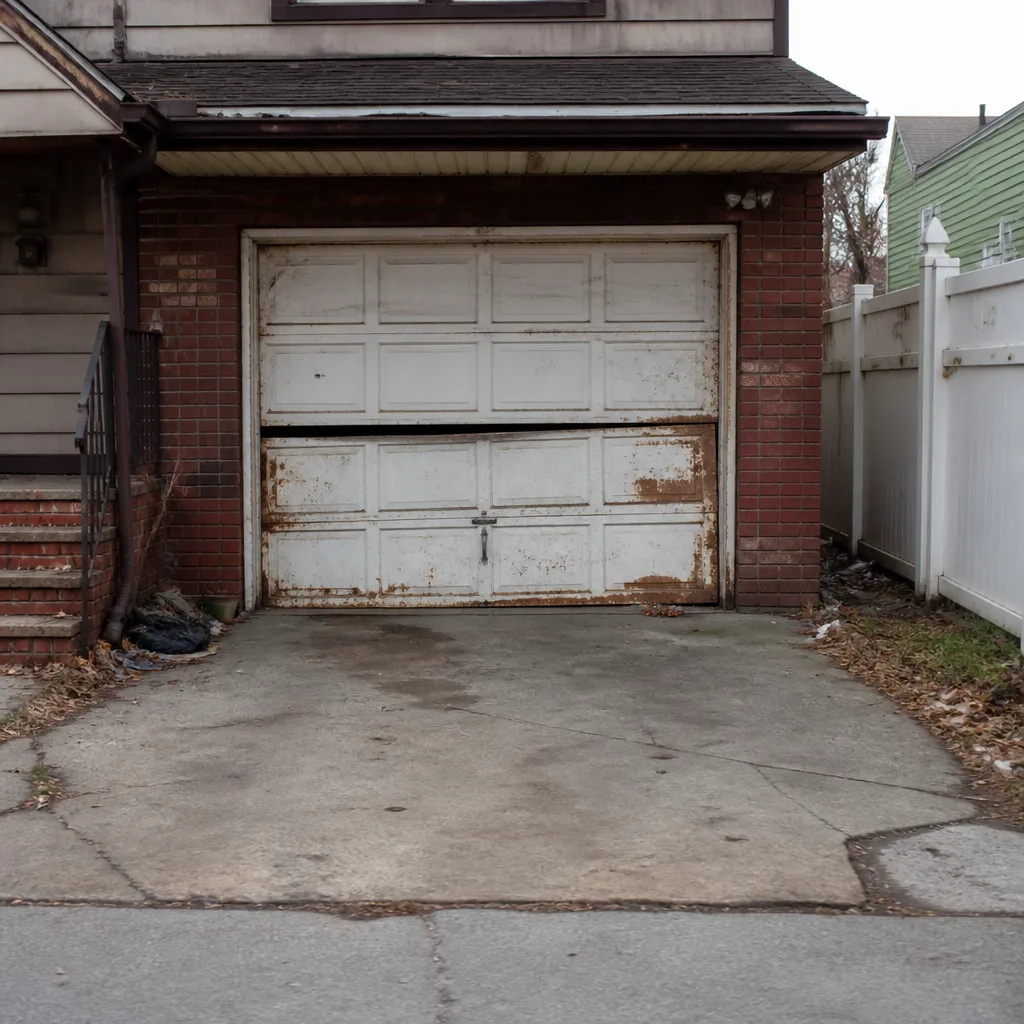 Before
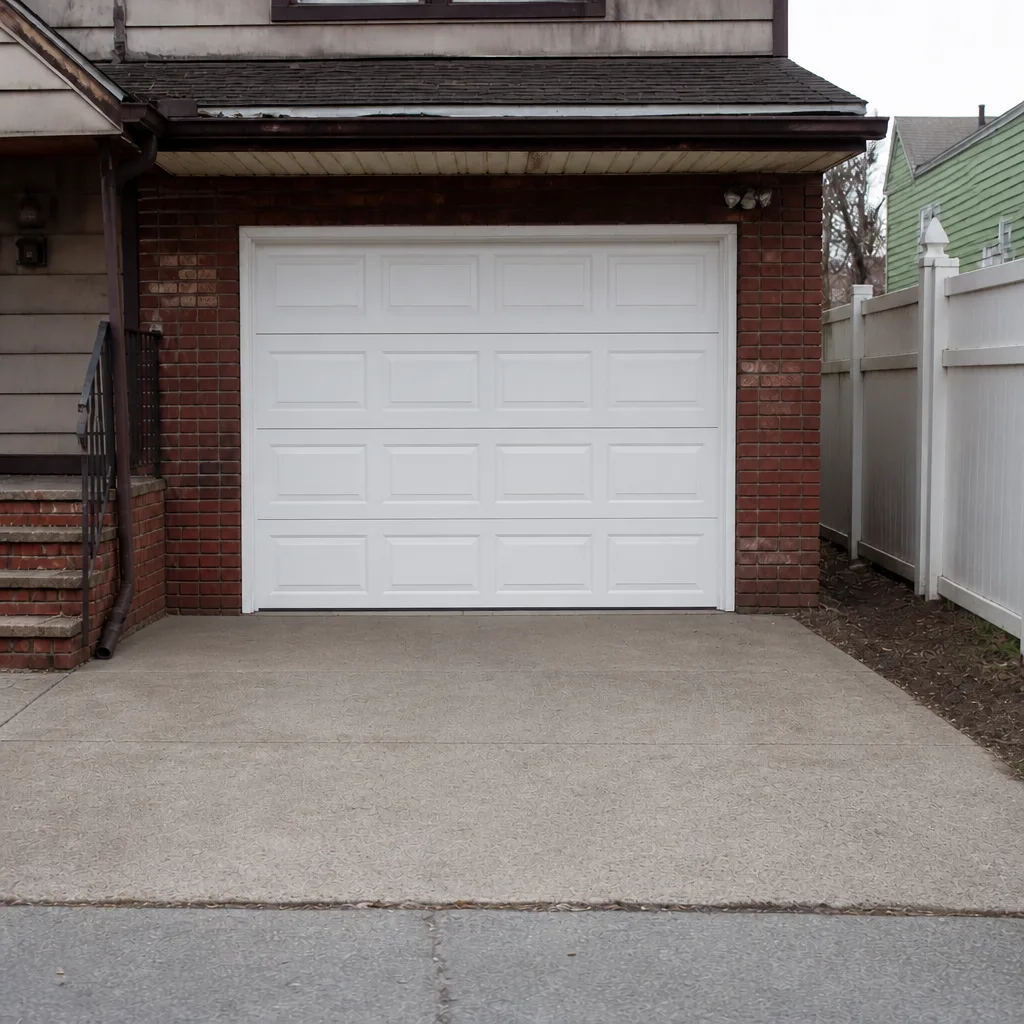 After
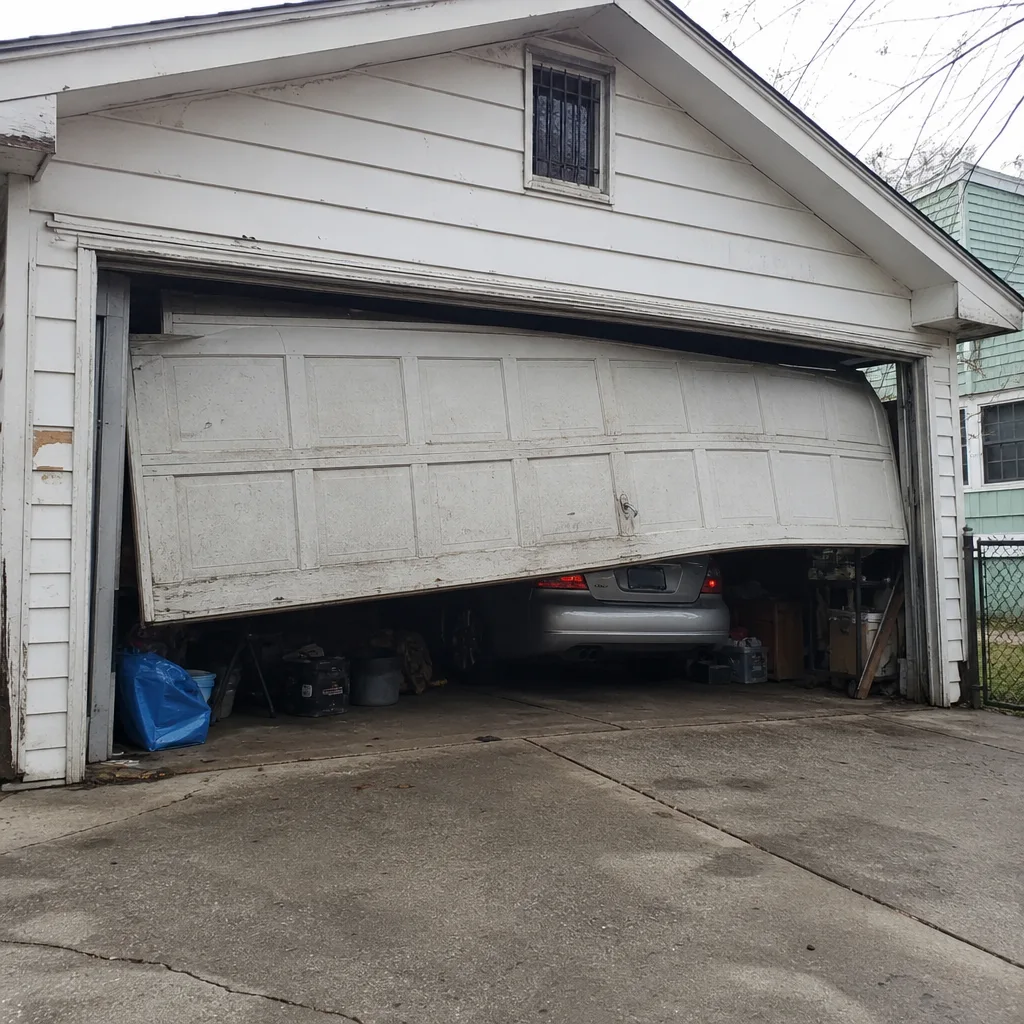 Before
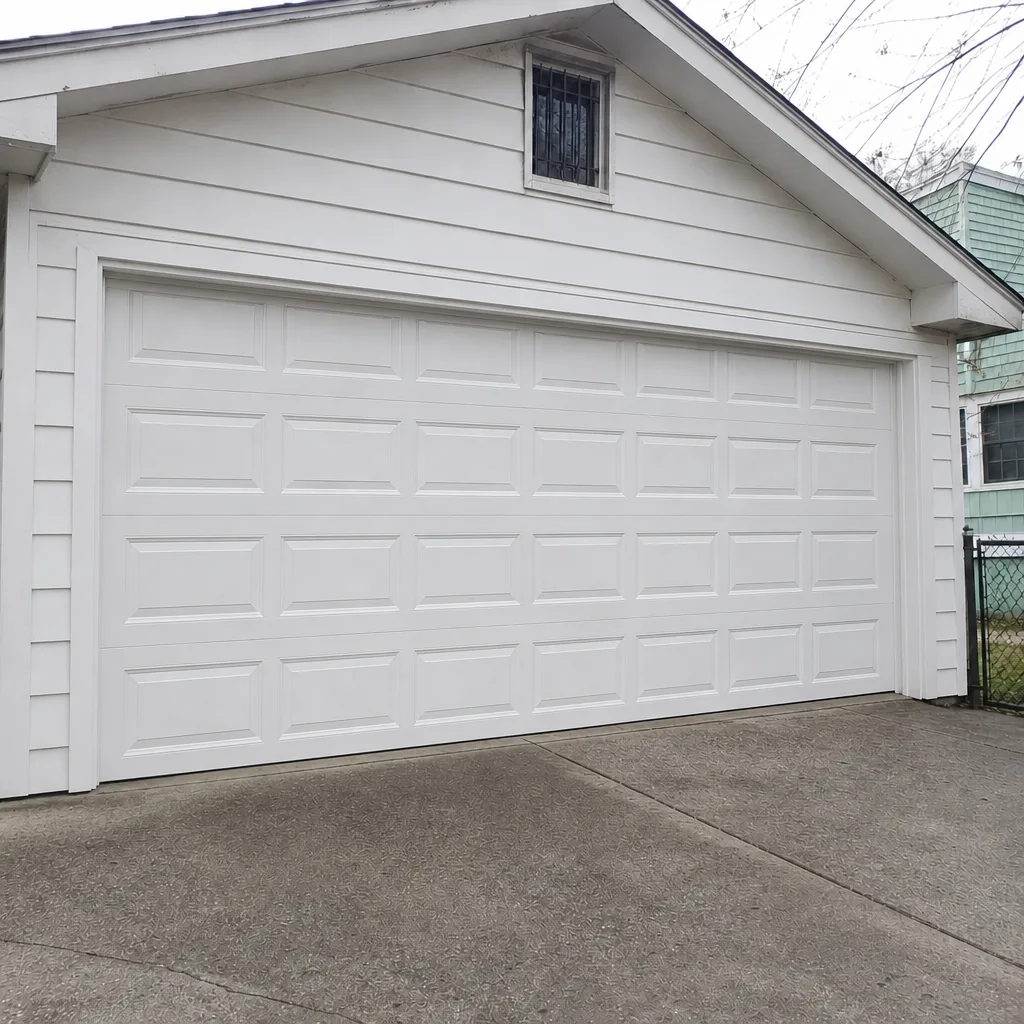 After
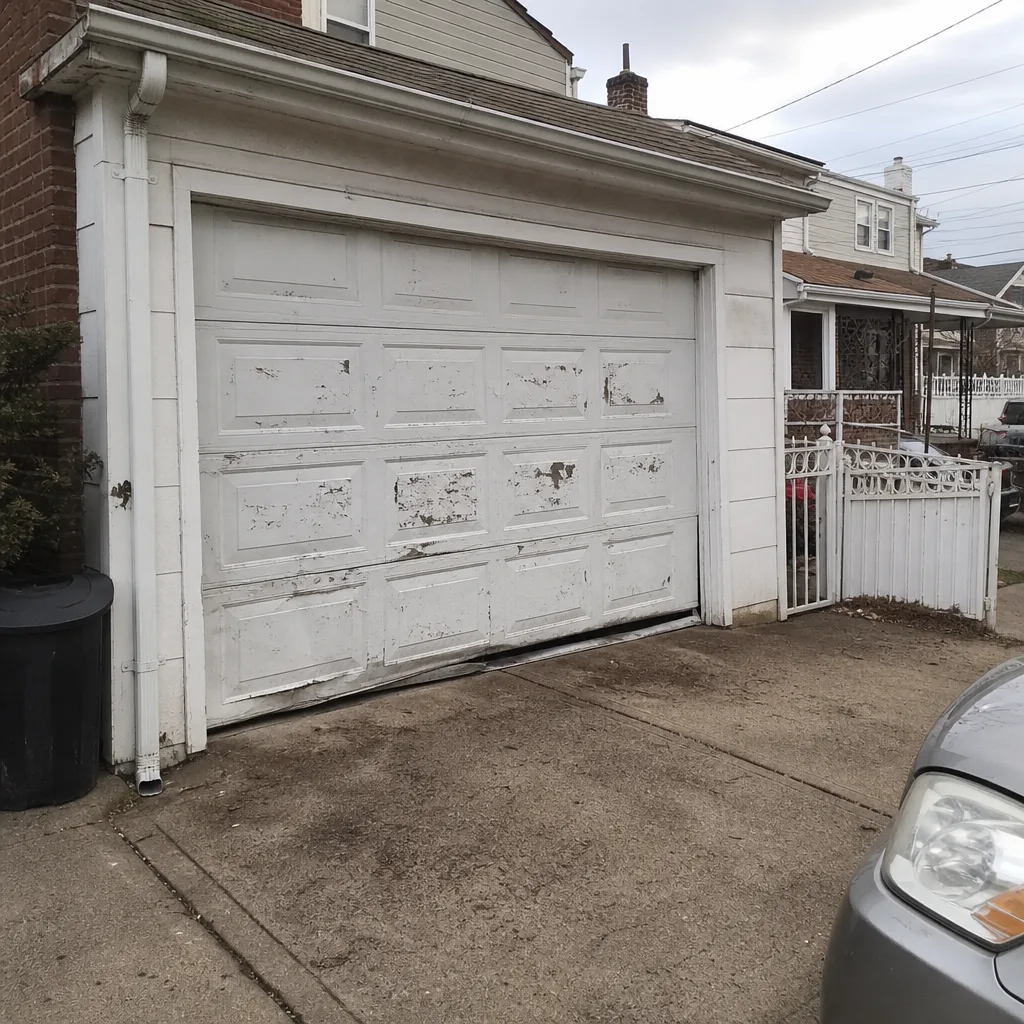 Before
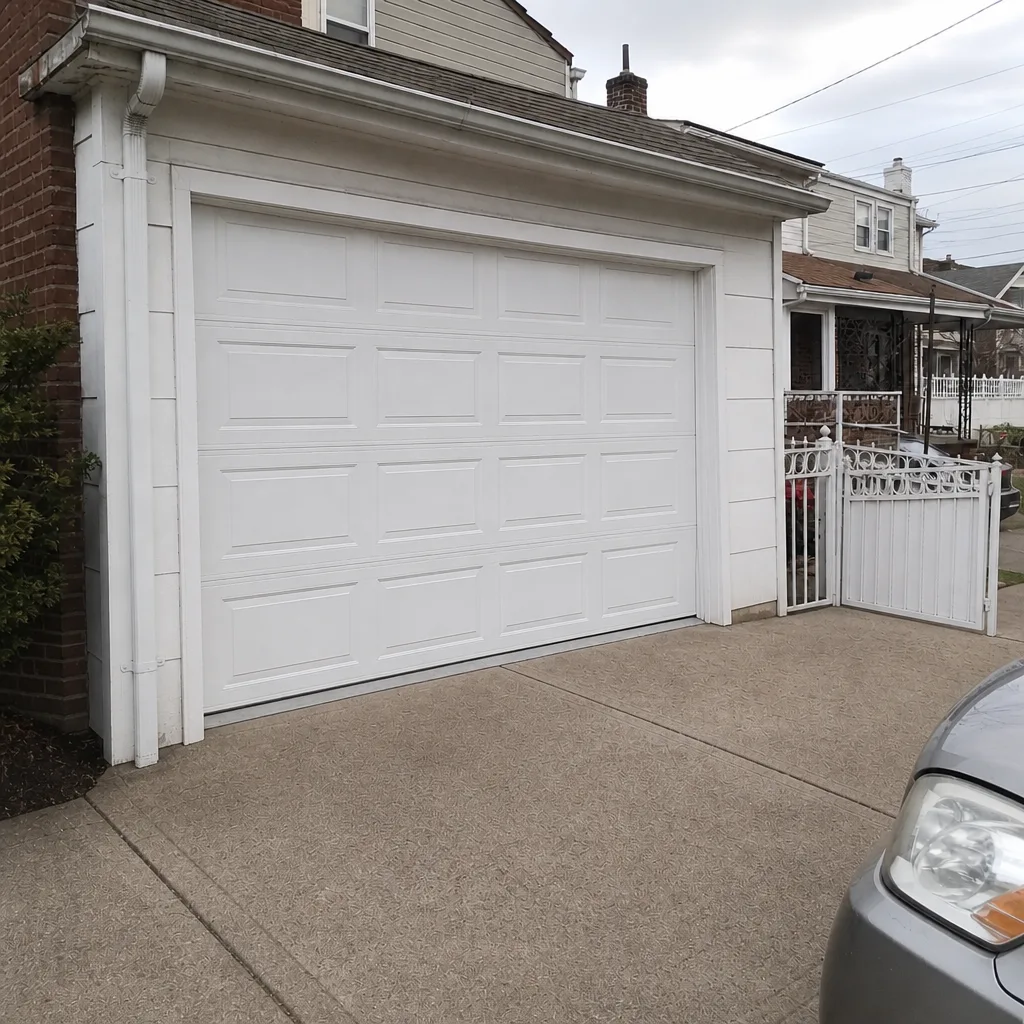 After
When to Call a Professional
Some calls are obvious. A snapped spring, a door that won’t close, a cable that’s come off the drum, an opener that’s dead on a Clopay or Amarr door you need to use today. But the permit question is also a call-a-professional moment, and most homeowners don’t treat it like one. If you’re planning a replacement, if you’re not sure whether the door you’re ordering matches what’s in the opening, or if you’ve just been told “no permit needed” and want a second opinion, get that in writing before you commit.
Garage Door Repair East New York offers free estimates in East New York – call (877) 492-2281. We answer 24/7. Fast dispatch from 7am to 7pm, Sunday through Friday. We work on LiftMaster, Chamberlain, Genie, Clopay, Amarr, Wayne Dalton, Craftsman and Raynor equipment, and we handle spring repair directly rather than handing it off. Our technicians have up to 15 years of experience. If your door can’t wait for a scheduled appointment, emergency service is available for trapping or unsecured situations.
Frequently Asked Questions
Not always. A same-size, same-type replacement in an existing opening without structural or electrical changes usually does not require a DOB permit. Work that changes the opening, the framing, the header, or the electrical feed to the opener generally does. Call the NYC Department of Buildings or a licensed contractor to confirm the scope of your specific job. For an exact quote on the work itself, call (877) 492-2281 – estimates are free.
A replacement swaps the door in the existing opening with no structural change. An alteration changes the opening, the framing, the header or the electrical service. The DOB treats these differently, and the alteration is the one that usually needs a filing. If your project is closer to an alteration than a swap, assume a permit is required until the DOB tells you otherwise. Call (877) 492-2281 for a scope review.
Usually the licensed contractor doing the work. The permit is issued to them and they’re the one who has to get the inspection and close it out. A homeowner can file in some cases, but the responsibility for the inspection and sign-off then falls on the homeowner. Call (877) 492-2281 for a free estimate and a straight answer on whether your job needs a filing.
It can. A title search or a buyer’s inspection may surface a permit question, and if the work should have been filed, it becomes a negotiation point or a remediation requirement before closing. The remedy is usually documentation: a permit and sign-off, or a letter from a licensed contractor if no permit was needed. Call (877) 492-2281 if you need the work documented properly.
Clearance, anchorage and opener safety compliance. The inspector wants to see that the door travel path is clear, that the track brackets and header bracket are fastened into sound material, and that the opener’s safety reverse feature and photoelectric eye are working. Call (877) 492-2281 if you want the installation checked against those items before the inspection.
We’d advise against it on both counts. Garage door springs and cables store dangerous energy, and the wrong installation can leave a door that fails in a way that’s hard to see coming. And skipping a permit that’s required doesn’t avoid the question, it just moves it to the sale. Call (877) 492-2281 and let a trained technician handle the install. We answer 24/7.
The Bottom Line
Garage door permits in New York City come down to scope. A straight swap usually doesn’t need one. A change to the opening, the framing or the electrical work usually does. The cost of getting it wrong isn’t the permit fee, it’s the closing delay or the price reduction when a buyer’s attorney asks for the filing. East New York has enough older housing stock and enough garage door history that it’s worth checking before you order a door, not after. Get the scope confirmed, get the permit filed if it’s needed, keep the sign-off with your records. That’s it. The door itself is the easy part when the paperwork is straight.
If you’re ready to talk about your garage door, garage door repair and installation work is what we do. Call (877) 492-2281. We answer 24/7. Fast dispatch from 7am to 7pm, Sunday through Friday.
Written by the team at Garage Door Repair East New York.