
Last updated November 21, 2026
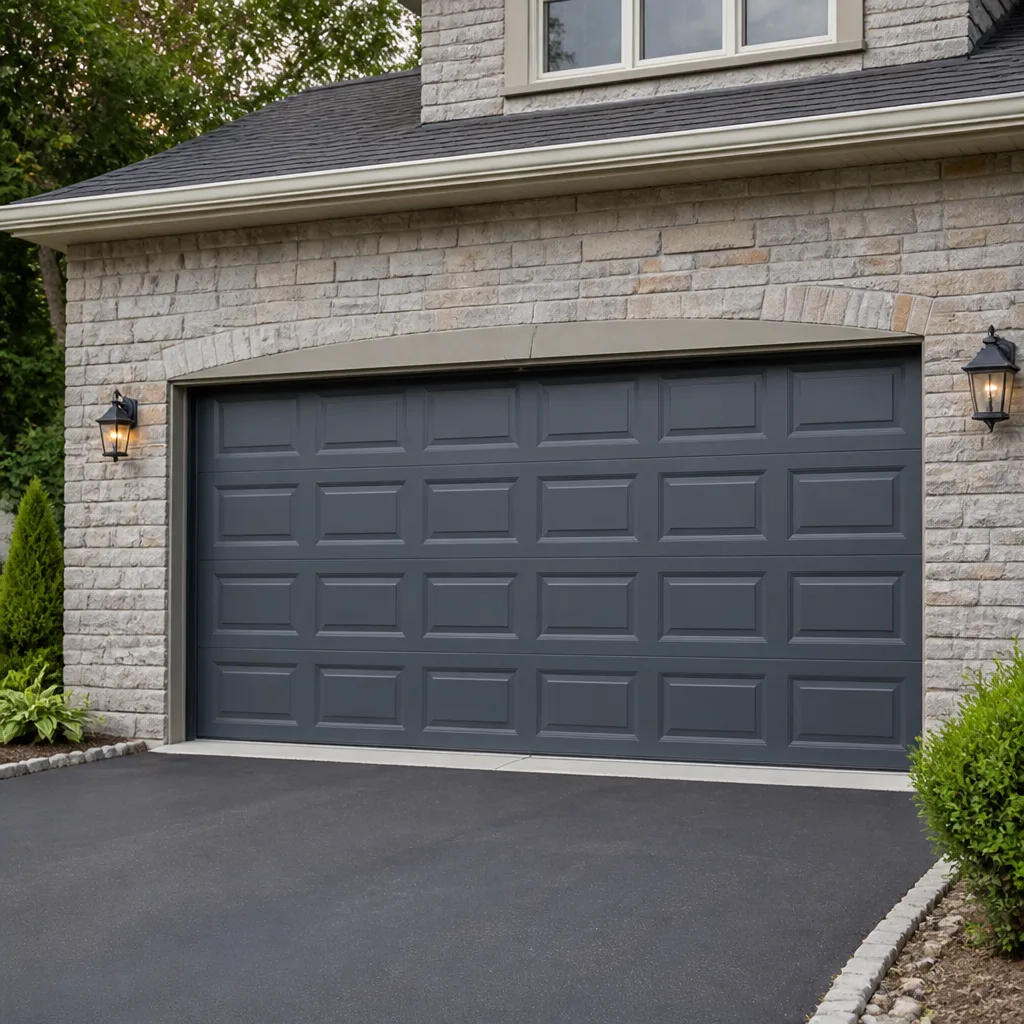 Raised-panel steel
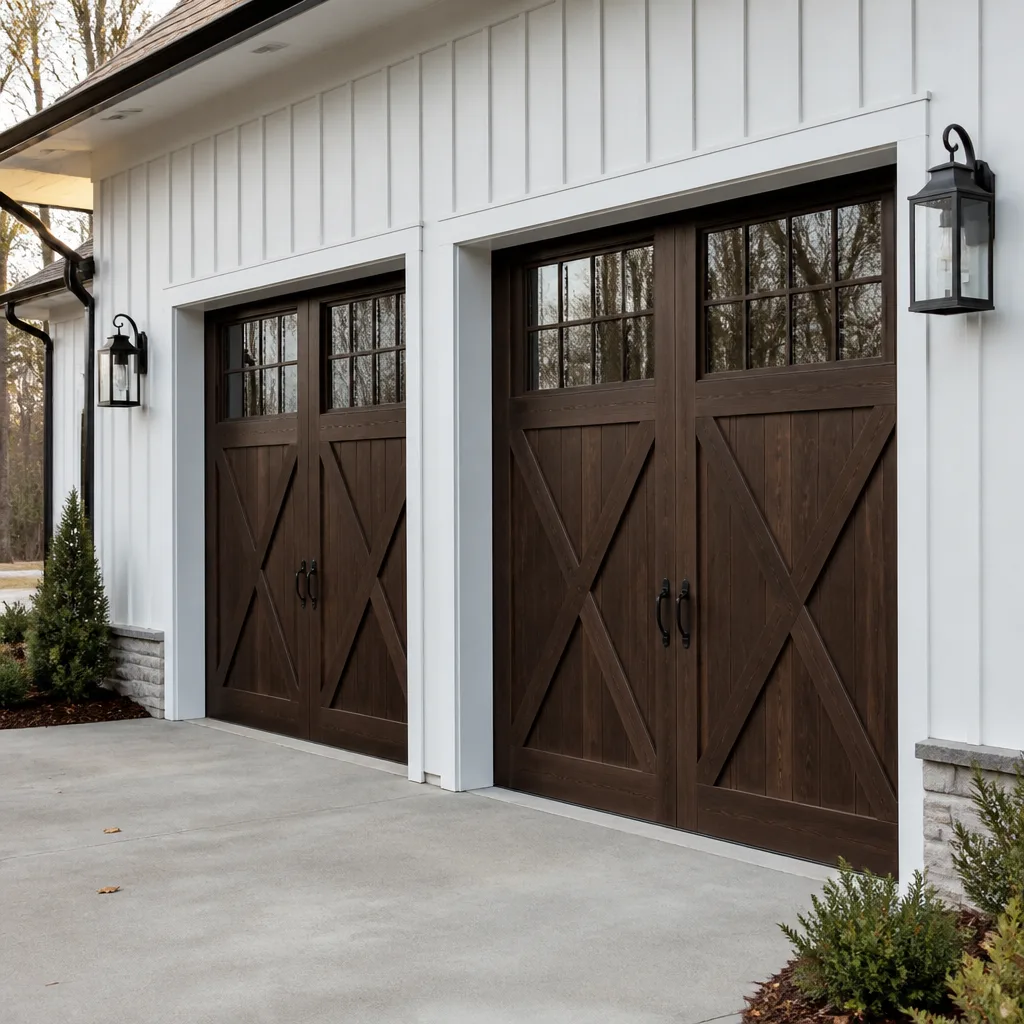 Carriage house
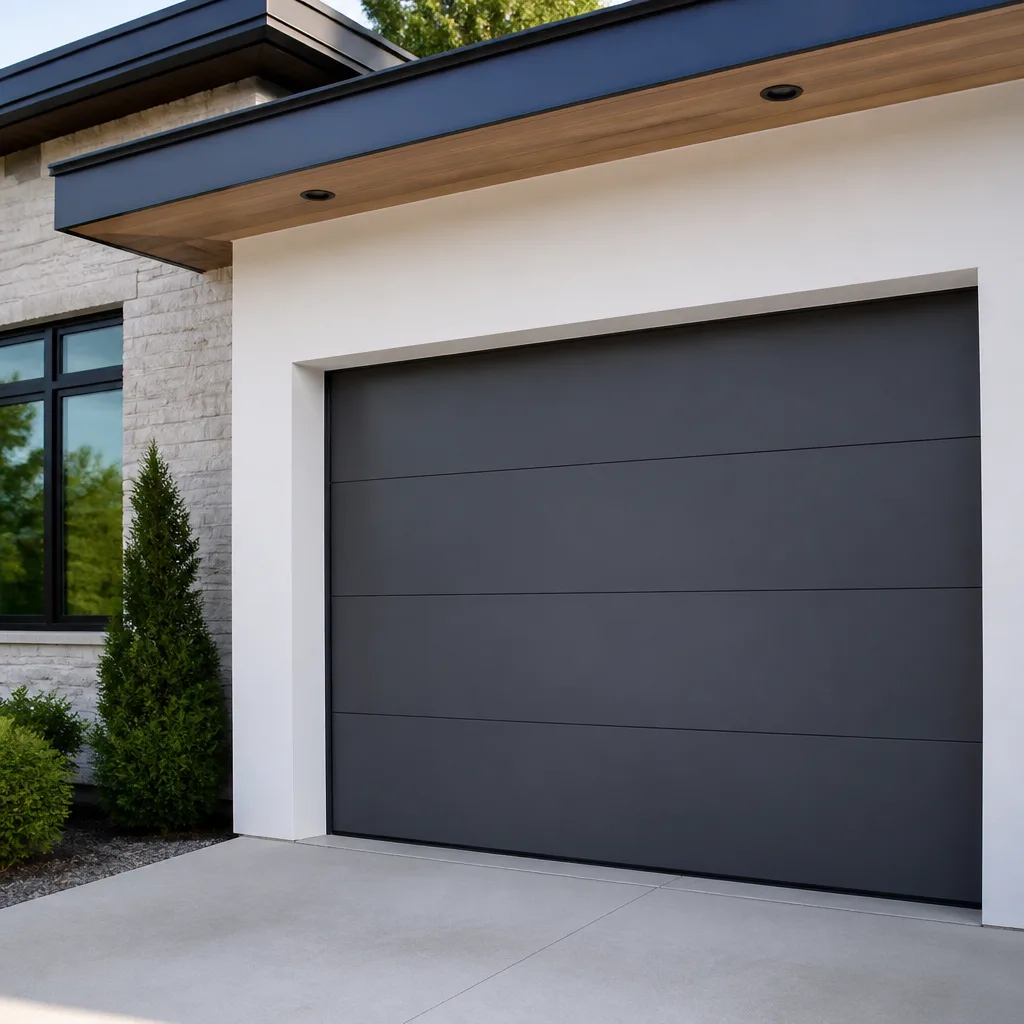 Modern flush
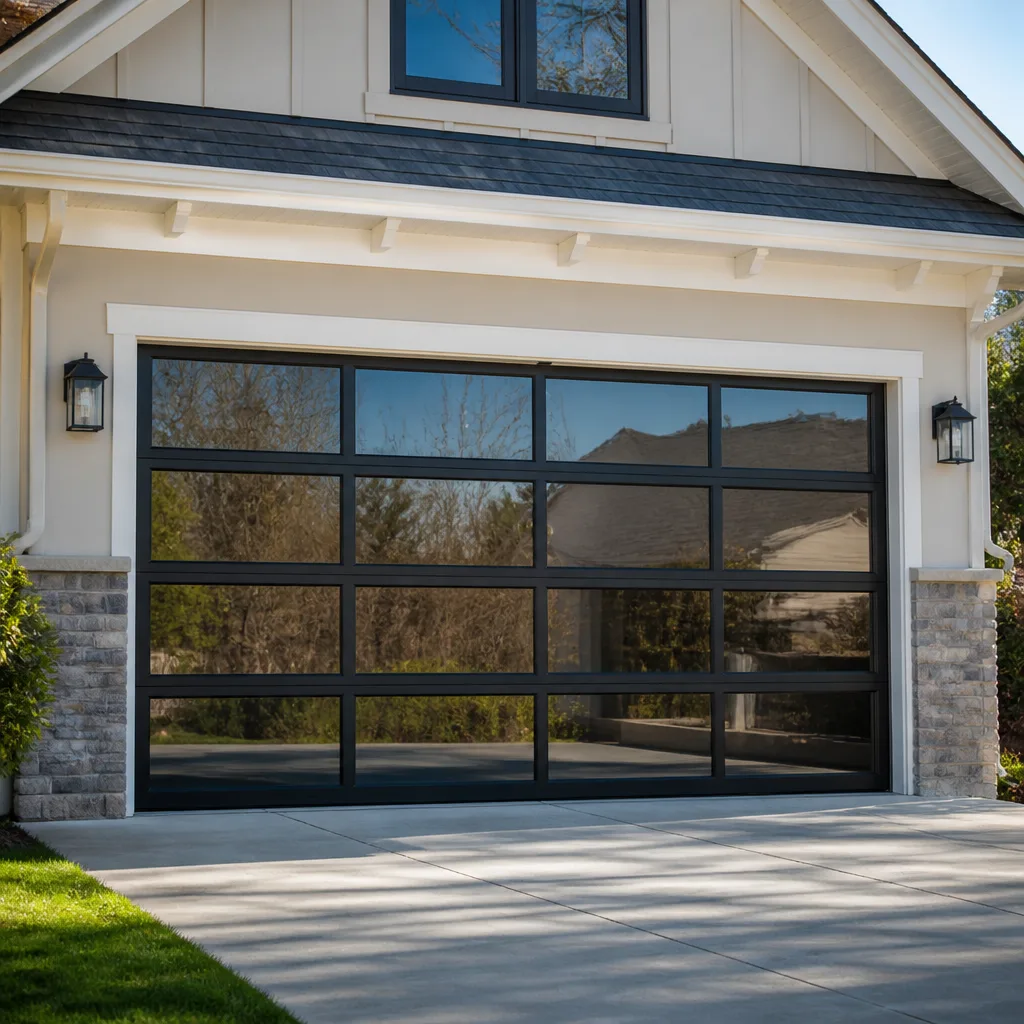 Full-view glass
 LiftMaster openers
 Chamberlain openers
Full 25-point door and opener safety check with every visit - springs, cables, rollers, tracks, and your LiftMaster or Chamberlain opener included
You get a price before we start. It does not change when the pro arrives.
Get your free estimateGarage Door Repair Maintenance Checklist for East New York Homeowners
Most garage door failures don’t come out of nowhere. The cable that snaps on a Monday morning was fraying for months. The spring that lets go was running slack all winter. What usually strands a car isn’t bad luck, it’s a warning sign nobody looked at. East New York garages take a particular beating: tight lots, older detached structures, and road salt tracked in off the street every winter. This guide gives you a task-by-task checklist split into what you can safely handle yourself and what needs a technician, plus the specific triggers we watch for in East New York. You’ll learn how to test the parts that fail most, which lubricants help and which common sprays quietly wreck your door, and how to keep a simple log so you can predict a replacement instead of reacting to one.
Quick Answer
A monthly garage door maintenance check in East New York comes down to five things: listen to the door for grinding or scraping, look at the cables and springs for wear or slack, test the auto-reverse safety function with a roll of paper towels, lubricate the hinges, rollers, and tracks with a proper garage door lubricant, and write down what you find so you can spot slow deterioration. Everything on that list you can do safely in a few minutes. Spring replacement, cable replacement, and any work on the opener’s electrical components should go to a trained technician, because the springs and cables are under extreme tension and can cause serious injury if handled wrong.
Styles & brands we work with
- Raised-panel steel
- Carriage house
- Modern flush
- Full-view glass
- LiftMaster openers
- Chamberlain openers
Table of Contents
- The Monthly Walk-Around: Five Minutes That Prevent Most Breakdowns
- What You Can Safely Do Yourself
- What Requires a Technician
- How to Test Springs, Cables, and the Auto-Reverse Function
- The Right Lubricant for the Right Part
- Road Salt, Tracks, and Hinges: An East New York Problem
- Keeping a Maintenance Log So You Can Predict Replacements
- Seasonal Timing for East New York Garages
The Monthly Walk-Around: Five Minutes That Prevent Most Breakdowns
A five-minute inspection once a month catches the majority of problems while they’re still cheap to fix. We’ve seen doors in East New York that failed on a freezing morning when a single loose hinge bolt had been working itself free for weeks. The inspection isn’t technical. You’re looking and listening, not repairing.
Run the door through a full open and close cycle and pay attention to sound. A healthy door is fairly quiet and moves at an even pace. Anything that grinds, squeals, scrapes, or stutters is telling you something specific. Then walk the perimeter with your eyes.
- Listen to the cycle. Grinding usually points to rollers or tracks. A bang or pop near the top of the opening points to springs.
- Look at the tracks. Check for dents, bends, or debris sitting in the channel. A track that’s been knocked out of alignment will drag the rollers.
- Check the hinges at each panel joint. Look for looseness, rust, or a hinge that’s bent.
- Inspect the weather seal along the bottom. A cracked or torn seal lets in water, and water plus cold is how a bottom panel starts to rot.
- Look at the cables. Both sides. You’re checking for fraying, kinks, or a cable that looks slack.
- Test the auto-reverse. More on how below, but do it every month.
If everything looks and sounds normal, you’re done. If something looks off, mark it in your log and decide whether it’s a DIY item or a call to a technician. The point of the walk-around is that nothing gets to the failure stage without you having seen it coming.
What You Can Safely Do Yourself
There’s a real line between routine upkeep and work that can hurt you, and it’s worth knowing where that line sits. These tasks are safe for a homeowner with basic tools and a little patience.
- Tighten hinge and bracket bolts. A socket wrench and a few minutes. Loose bolts are one of the most common causes of a rattling, uneven door.
- Lubricate hinges, rollers, and the spring coils. Use a garage door lubricant, not cooking spray or WD-40. Details in the lubrication section below.
- Wipe down and inspect the tracks. A damp rag and a visual check. Never bend a track back into shape yourself, only clean and inspect.
- Replace the bottom weather seal. A straightforward job if the seal slides into a channel. Measure the width first so you buy the right size.
- Test and adjust the opener’s force and travel limits. Most openers from Craftsman, LiftMaster, Chamberlain, and Genie have adjustment dials or screws on the motor housing. The manual tells you how. Only touch these if the door is otherwise moving freely and the safety reverse works.
- Replace opener remote batteries and re-pair remotes. Simple and worth doing before you assume the opener is failing.
- Clear debris from the track channel and the floor threshold. Grit and small stones cause drag and wear on the rollers.
- Listen to the opener motor. A grinding or humming motor with no movement is a symptom you can note accurately before calling.
Anything involving the springs, the cables, or opening the opener’s electrical housing is off this list on purpose. Those three areas carry the most risk, and we’ll explain why in the next two sections.
What Requires a Technician
Garage door springs and cables are under extreme tension at all times, even when the door is all the way down. That stored energy is what lifts a door that can weigh hundreds of pounds, and it’s also why a spring or cable can cause serious injury when it releases unexpectedly. There’s no safe way to work on them without the right tools, training, and a controlled way to release the tension. This is where a professional belongs.
These jobs need a trained technician:
- Spring replacement or adjustment. Torsion springs, which mount above the door, and extension springs, which run along the sides, both fall into this category. A matched pair is usually replaced together because the springs wear at the same rate.
- Cable replacement. Cables run under tension and can whip if released wrong. Frayed or slack cables should be replaced, not patched.
- Track straightening or replacement. A bent track needs to be properly realigned and secured, or it will keep dragging.
- Roller replacement on the higher panels. The lower rollers are often doable, but the upper ones put you on a ladder working near a live spring system.
- Opener motor, gear, or circuit board repair. Any electrical work inside the opener housing. This is the kind of garage door opener repair that should always start with a proper diagnosis of the system rather than a guess at the most likely part.
- Panel replacement after impact damage. A dented or creased panel can affect how the door tracks through the opening.
If you’re ever unsure whether a job belongs on this list, assume it does. The cost of a diagnostic call is small compared to an injury. For anything in the repair column, we offer garage door repair with upfront pricing and a written estimate before any work starts. Our technicians have up to 15 years of experience, and spring repair is handled directly rather than subcontracted.
How to Test Springs, Cables, and the Auto-Reverse Function
Testing is different from fixing. You can safely assess the condition of your springs, cables, and safety reverse without tools or training, and a monthly test tells you when to call. Here’s how each one works.
Testing Spring Tension
Close the door completely, then pull the manual release cord hanging from the opener trolley to disconnect the door from the motor. Lift the door by hand to about waist height and let go. A door with healthy springs should stay roughly where you left it, or rise slowly. If it drops hard or feels very heavy, your springs are losing tension. If it rises on its own, the springs are set too tight. Reconnect the release before you run the opener again. Don’t adjust the springs yourself, just note what you observed and call.
Testing Cable Wear
With the door closed, look at the cables along each side from the bottom corner up toward the drum. What you’re looking for is fraying, a bird-caged kink, or a cable that hangs loose rather than sitting taut in its channel. Run your eyes along it, never your hand. A worn cable is a call-a-technician item the same week you notice it.
Testing the Auto-Reverse Safety Function
This is the one safety feature the door must pass. Close a roll of paper towels or a similar soft object on the floor in the path of the door. Run the door closed. It should reverse on contact with the object. Then test the photo-eye system, if your opener has one: with the door fully open, wave your foot or a broom handle across the beam near the floor. The door should refuse to close, or reverse if it’s already closing. If it fails either test, stop using the opener and get it looked at, because a door that doesn’t reverse can seriously injure a person or pet in its path.
Testing Balance and Alignment
After releasing the door from the opener, lift it halfway and check whether it sits level across the opening. A door that’s higher on one side points to a spring or cable issue on that side. A door that rubs against one side of the frame points to a track alignment problem. Both are worth noting in your log.
The Right Lubricant for the Right Part
Lubrication is the easiest maintenance win, and the easiest place to do damage with the wrong product. Use a purpose-made garage door lubricant, either a white lithium grease or a silicone-based spray. Those are designed to stay put on moving metal parts without attracting a lot of grit.
Where each product goes:
- Hinges: a drop on each hinge pivot point. Eight or so hinges on a typical door, plus the top and bottom brackets.
- Rollers: a light application on the roller stem, not on the wheel face, and not into the track.
- Spring coils: a light coating along the coil. This reduces friction and helps control the noise a spring makes as it winds.
- Tracks: leave them mostly dry. Clean them with a damp rag and don’t coat them. Lubricant in a track collects debris and turns into a paste that drags the rollers.
- Lock and handle mechanisms: a spray graphite or dry lubricant, so it doesn’t gum up with dust.
What to avoid: WD-40 as a general spray is a solvent and light penetrating oil, not a grease, and it will strip existing lubrication rather than replace it. Cooking spray, vegetable oil, and household silicone sprays not designed for metal mechanisms attract dust and can break down quickly. Grease intended for cars is too thick for a door and will hold grit in the hinges. Keep the right product on a shelf, and the job takes five minutes.
Road Salt, Tracks, and Hinges: An East New York Problem
Cars come in off the street tracking winter road salt and grit onto the garage floor, and from the floor it splashes up onto the bottom panels, the bottom brackets, the hinges, and the lower track section. Salt is corrosive on plated metal, and hinges and track sections are exactly the parts a door relies on most. It’s the specific reason a door in East New York can look fine above waist height and still start dragging or squealing at the bottom.
Here’s how to handle it:
- Rinse or wipe the bottom track section after a heavy salt season. A damp rag along the lower six inches of track, then dry it, removes the crust before it hardens.
- Spot clean the bottom hinge area and bottom brackets. Look for rust spots and treat them early, before a hinge seizes.
- Keep the garage floor swept during winter. Salt sitting on the floor keeps feeding the corrosion on the bottom of the door.
- Check the bottom weather seal for grit buildup. Salt and small stones trapped against the seal abrade the bottom of the door every time it closes.
- Run your finger (not your hand into a moving part) along the roller faces at the bottom. Flat spots or a rough edge on a roller indicate it’s been dragging. A set of lower rollers is inexpensive and easy to have swapped.
When you’re tackling the salt problem, pay extra attention to any door panel from Wayne Dalton, Clopay, or Amarr that sits closest to the floor. These panels take the most road splash. Once you’re maintaining the whole system, a new door may eventually make more sense than repeated panel fixes, which is where garage door installation comes into the conversation.
Keeping a Maintenance Log So You Can Predict Replacements
A simple log is the difference between reacting to failures and predicting them. Write a couple of lines after every inspection, and after every repair, with the date and what you noticed. It doesn’t need to be fancy. A notepad kept with your garage tools, or a notes file on your phone, works fine.
What to write down:
- Date of each inspection. Even if you found nothing.
- Every noise or symptom, and when it started. “Slight grinding on close, bottom right” is a useful entry.
- Every repair, and which part. Hinge, roller, spring, opener part, seal.
- Any adjustments made to the opener’s force or travel limits. Then you know the baseline.
- Any seasonal changes you notice, like a door that gets stiff only in cold weather.
Over a year or two, patterns emerge. A door that needs a new lower roller every twelve months is telling you there’s a track alignment or balance problem underneath. A door that squeals in one season and quietens in another is telling you about lubrication loss and cold-weather contraction. Springs themselves have a finite cycle life, and a log helps you see when they’re close to the end rather than being surprised.
This is also where you can spot a door that’s ready for replacement. If you’re logging a repair every couple of months, the cumulative cost of patching an aging door eventually crosses into the cost of a new one. Getting an estimate for a new door early, before the old one fails completely, gives you a chance to plan instead of a Monday morning emergency.
Seasonal Timing for East New York Garages
Garage doors in East New York work harder in some seasons than others, and timing your bigger maintenance checks with those seasons means catching problems before the weather turns them into failures. The checklist itself doesn’t change much. The emphasis does.
Before winter: This is the most important inspection of the year. Cold weather hardens lubricant and contracts metal, both of which make an aging spring more likely to fail. Check the springs, check for slack in the cables, lubricate everything, and test the safety reverse. Make sure the bottom seal is intact, because a gap lets cold air and snowmelt into the garage. Salt season follows close behind, so clean the lower tracks before the first road treatment appears.
During winter: More frequent inspections, especially the bottom of the door and the lower track. Salt exposure is highest now. Listen for a stiff or grinding door. If you notice one side heavier than the other in cold weather, have it looked at.
Spring: A full inspection after winter, checking everything that took the salt. Test the opener and the safety reverse again. Clean the tracks properly and remove any grit that has accumulated.
Summer: Lighter season. Monthly inspections are usually enough. Heat can soften grease, so check that your lubricant isn’t running, and keep an eye on the tracks. A door that ran heavy all winter and now runs freely is worth noting in the log.
Before the heating season: If your garage is attached and shared with the house, this is a good time to check the seal and the bottom panel for gaps. A worn bottom seal lets air in all year.
Whatever season, keep the monthly walk-around going. The seasonal work is about doing a more thorough version of the checklist at points where the door gets stressed.
Common Mistakes to Avoid
- Trying to adjust or replace a spring yourself. Springs are under extreme tension and can release with enough force to cause serious injury. Leave spring work to a trained technician, even when a video makes it look simple. There’s no safe shortcut here.
- Spraying WD-40 on the hinges and calling it lubrication. It strips the grease you already had and leaves the metal drier. Use a proper garage door lubricant. This is one of the most common self-inflicted problems we see in East New York, and it turns a two-year hinge into a squeaky one in a few months.
- Lubricating the tracks. It feels like the right move, but lubricant in a track collects grit and dirt into a paste that drags the rollers. Keep tracks dry and clean.
- Ignoring a safety reverse test. A door that doesn’t reverse on contact with an object can seriously injure someone in its path. Test it monthly, and stop using the opener the moment it fails.
- Skipping the bottom of the door. In East New York, salt from the street attacks the bottom brackets, hinges, and lower track first. A visual check that stops at eye level misses exactly the parts that fail first.
- Not writing anything down. Without a log, a repair every six months feels random. With one, you can see the pattern and make a good call on repair versus replacement.
- Letting a small track dent sit. A dented track drags the rollers, and dragging rollers wear out fast. Small misalignments are cheap to sort and expensive to ignore.
See the difference
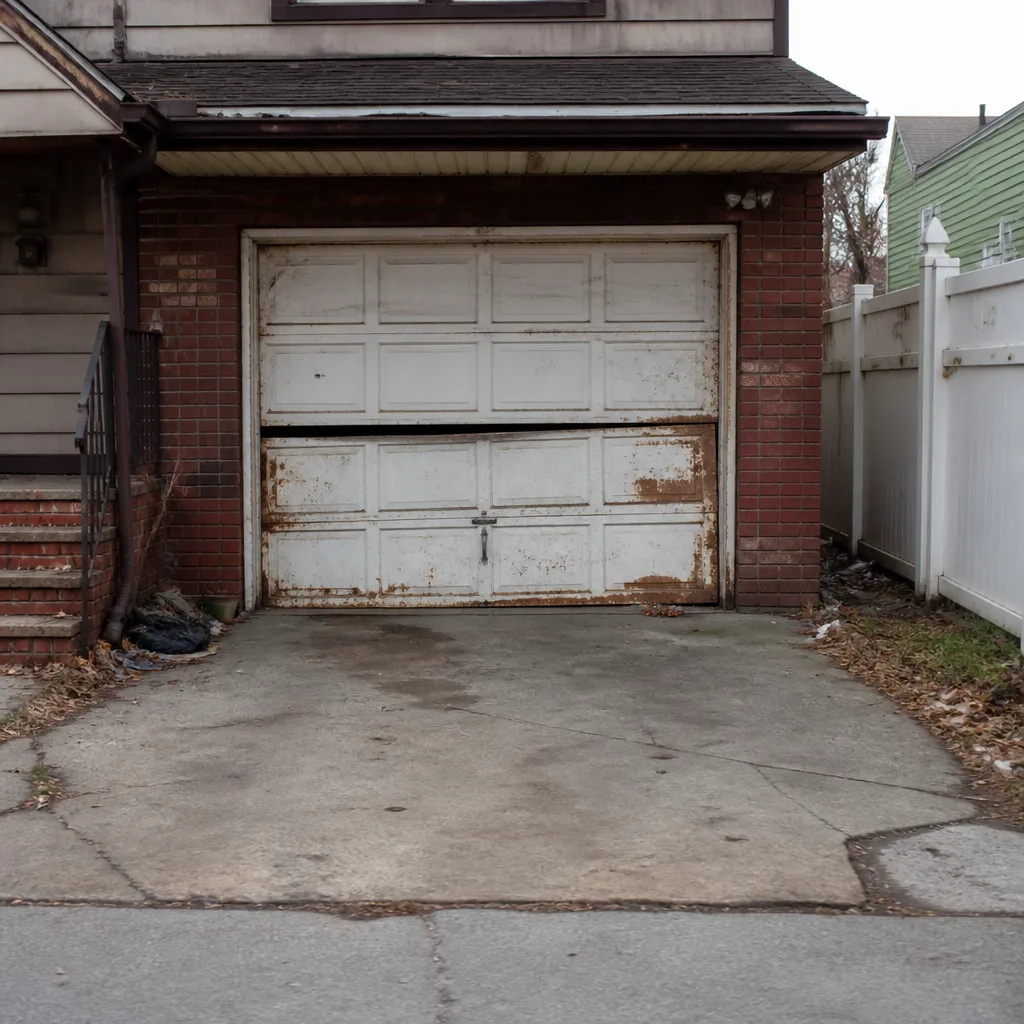 Before
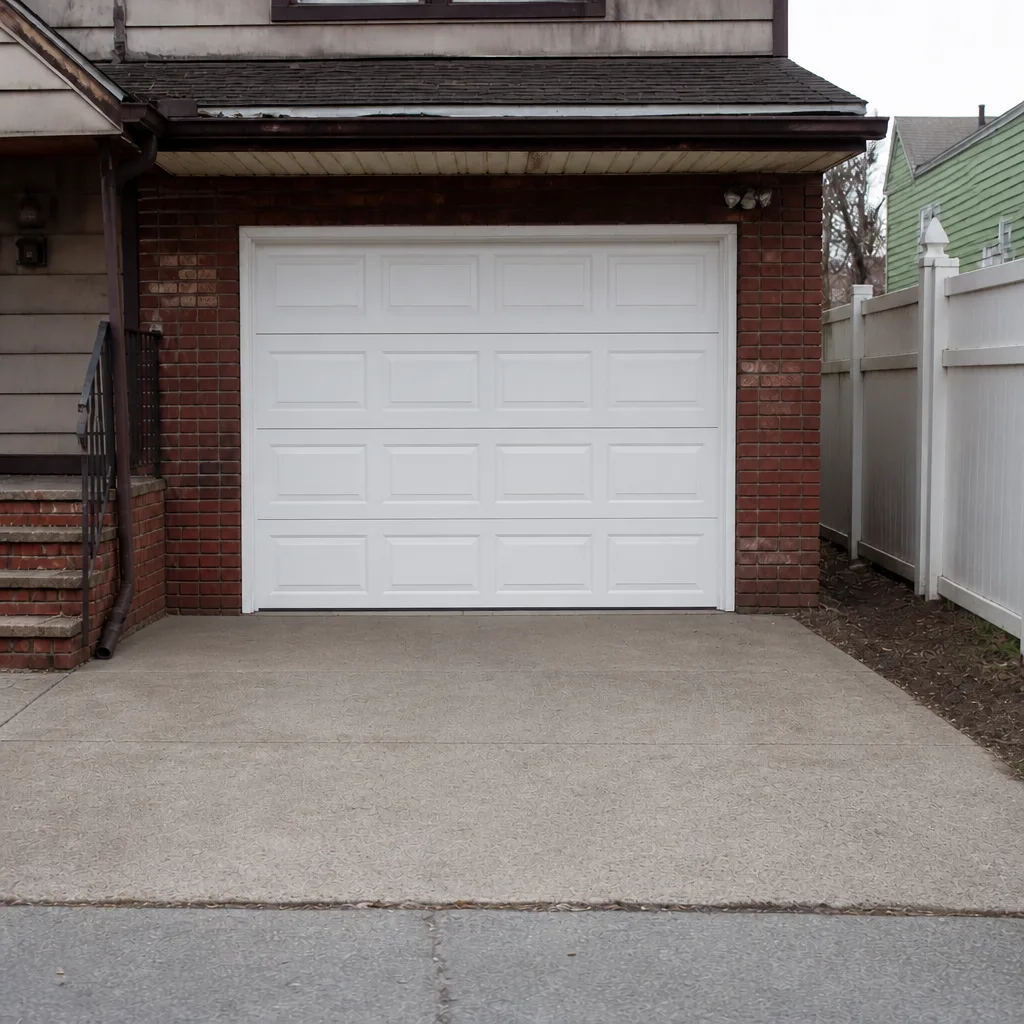 After
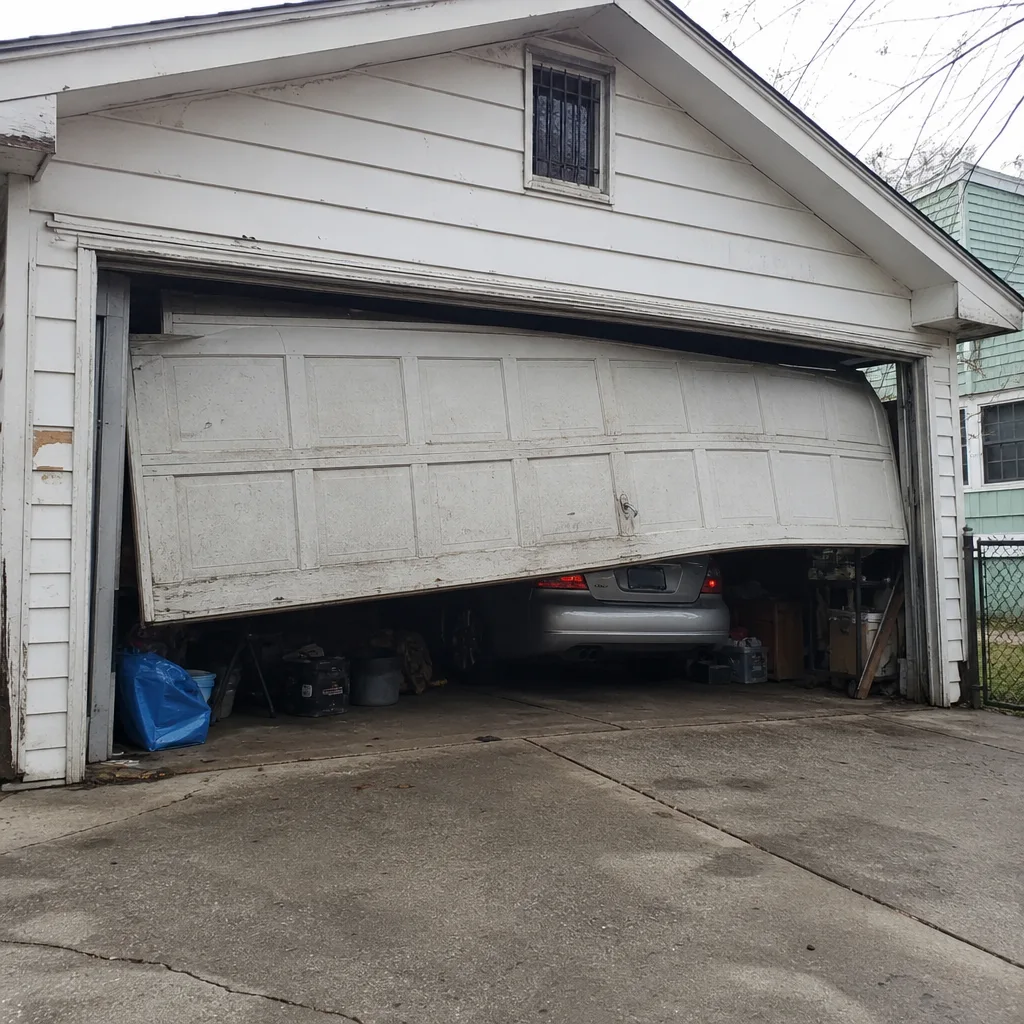 Before
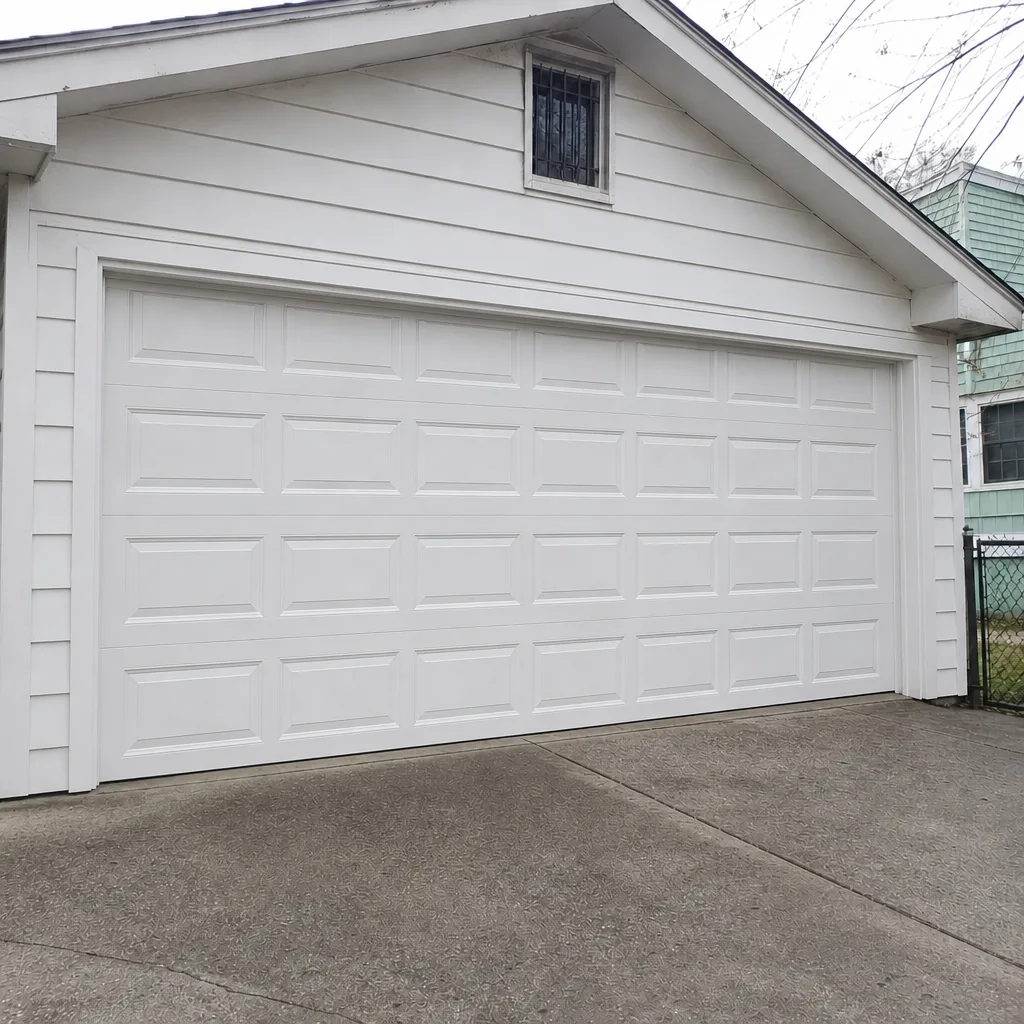 After
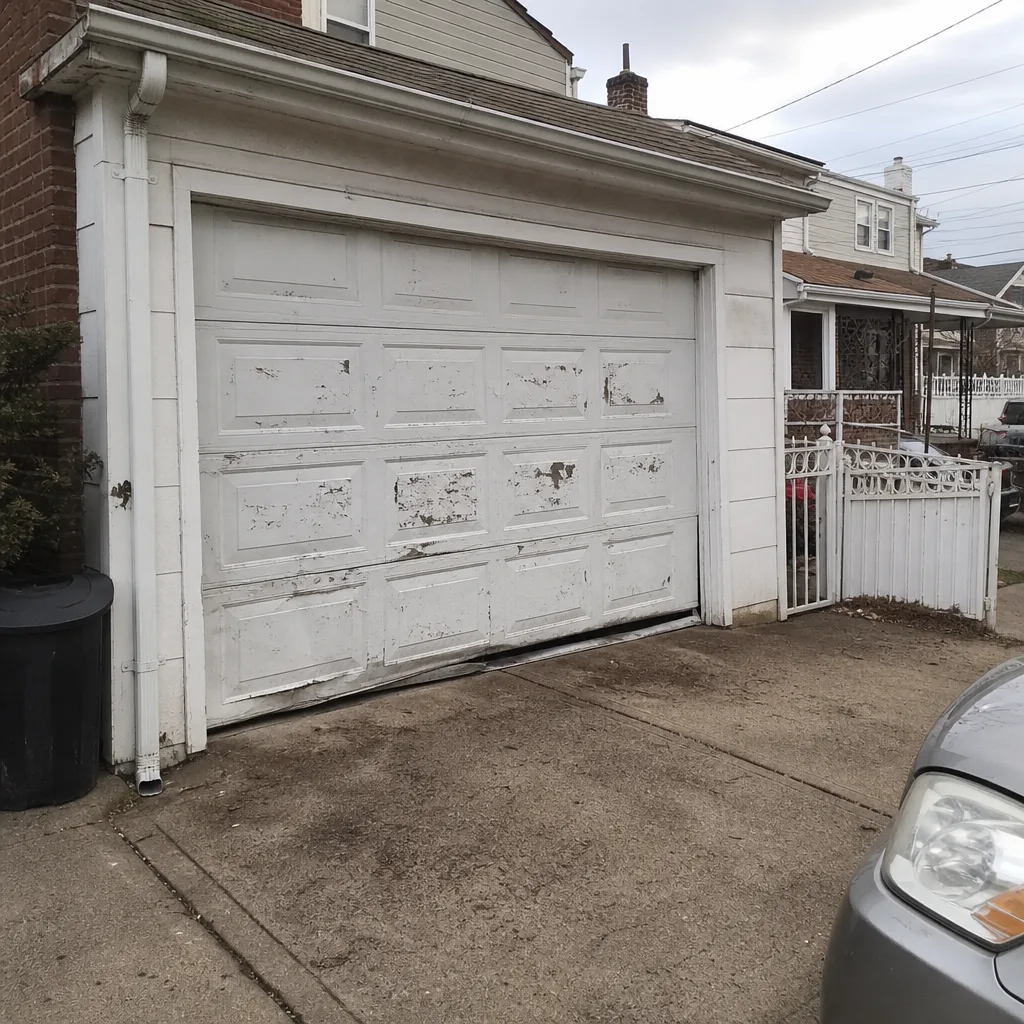 Before
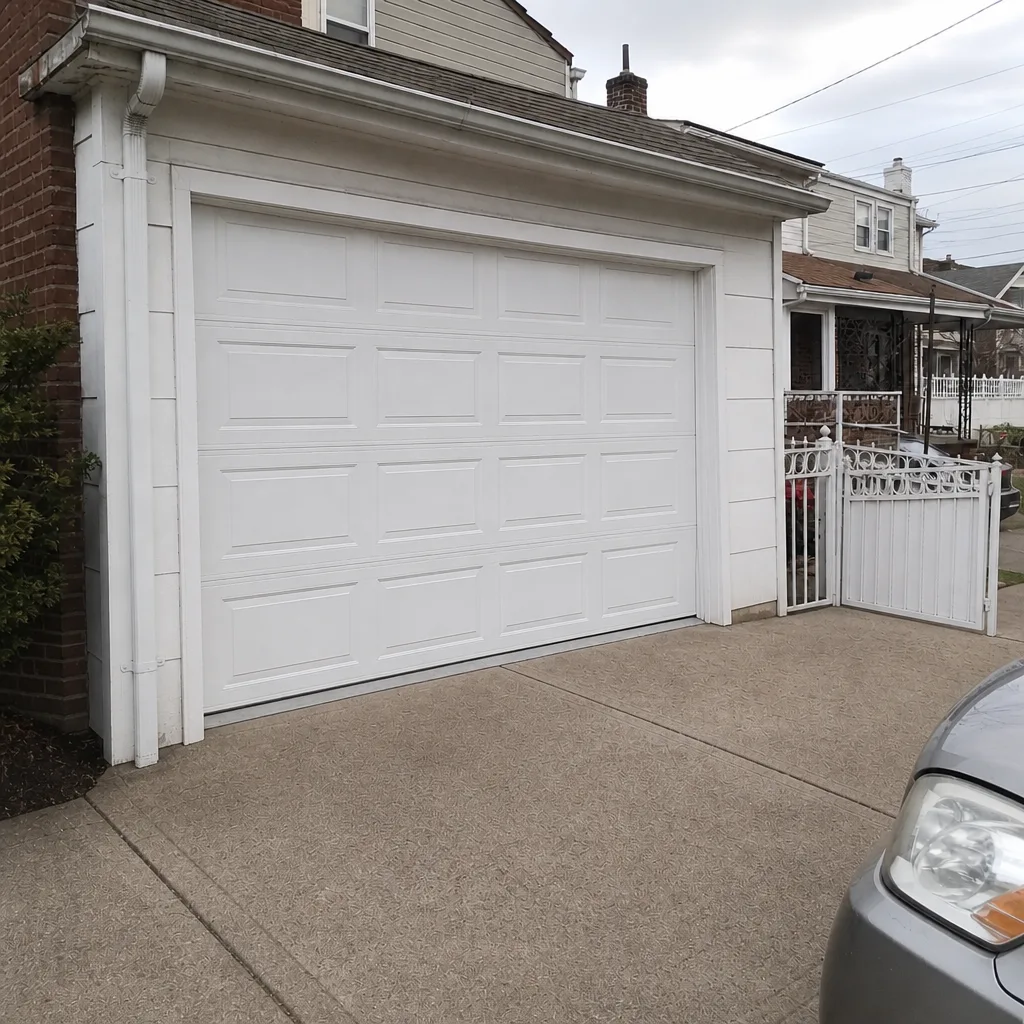 After
When to Call a Professional
Some failures are too dangerous to touch, and some are simply too big for a Saturday afternoon. Call a technician if a spring has snapped or looks slack on one side, if you can see a frayed or slack cable, if the door is stuck partway open, if the track is visibly bent, or if the auto-reverse test fails and you can’t safely correct it. Any opener work that involves the motor, gears, or the electrical housing belongs in the professional column too. The same applies if you can see rust through the bottom panel or a hinge has seized solid.
Garage Door Repair East New York offers free estimates in East New York, and we work on eight major brands, including Clopay, Amarr, Wayne Dalton, Craftsman, LiftMaster, Chamberlain, Genie, and Raynor. Our technicians have up to 15 years of experience. Call (877) 492-2281. We answer 24/7. Fast dispatch from 7am to 7pm, Sunday through Friday. Every price is quoted and agreed before any work starts.
Frequently Asked Questions
Once a month for the five-minute walk-around, plus a full seasonal inspection before winter and again after it. East New York winters bring road salt and cold, and the bottom of the door takes the most punishment during that stretch. If you notice any new noise, grinding, or uneven movement, do a check right away instead of waiting for the next month. Call (877) 492-2281 for an exact quote on any repair – estimates are free.
No. Garage door springs are under extreme tension at all times, and releasing or adjusting them without the right tools and training can cause serious injury. Spring replacement is one of the most dangerous jobs in the trade, and it’s worth paying a trained technician to do it safely. Call (877) 492-2281 if you suspect a spring problem – estimates are free.
A purpose-made garage door lubricant, either white lithium grease or a silicone-based spray, is the best choice for hinges, rollers, and spring coils. Never use WD-40 as a general spray, cooking spray, or automotive grease; these either strip existing lubrication or attract grit. Keep the tracks clean and dry, not lubricated. If a hinge is seized or a roller has flat spots, that needs a technician, not just more spray.
Place a roll of paper towels in the door’s path and run the door closed. It should reverse when it touches the object. If your opener has photo-eyes, wave a broom handle across the beam near the floor while the door is open; the door should refuse to close or reverse. If either test fails, stop using the opener and get it looked at. Call (877) 492-2281 to book a safety check – estimates are free.
Yes, we offer same-day service for urgent repairs. Emergency garage door failures, including a door that won’t open or won’t stay closed, are treated as a priority. Call (877) 492-2281. We answer 24/7. Fast dispatch from 7am to 7pm, Sunday through Friday.
No. We quote the price in writing before any work starts, and you approve it before we begin. The written estimate is the price you pay for the job we’ve quoted, whether it’s a full spring replacement, a panel repair, or Garage Door Repair East New York. If we find something unrelated during the visit, we’ll tell you and quote it separately. Call (877) 492-2281 for an exact quote – estimates are free.
The Bottom Line
Most garage door breakdowns in East New York start as small warning signs: a grinding hinge, a cable that looks slack, a bottom track that’s starting to rust from road salt. A monthly five-minute check catches those early. You can safely handle tightening, lubrication, and the auto-reverse test yourself, but springs, cables, and anything inside the opener need a technician. Keep a log, and you’ll see trouble coming instead of getting caught by it. Call (877) 492-2281 for a free estimate. We answer 24/7. Fast dispatch from 7am to 7pm, Sunday through Friday.
Written by the team at Garage Door Repair East New York.